
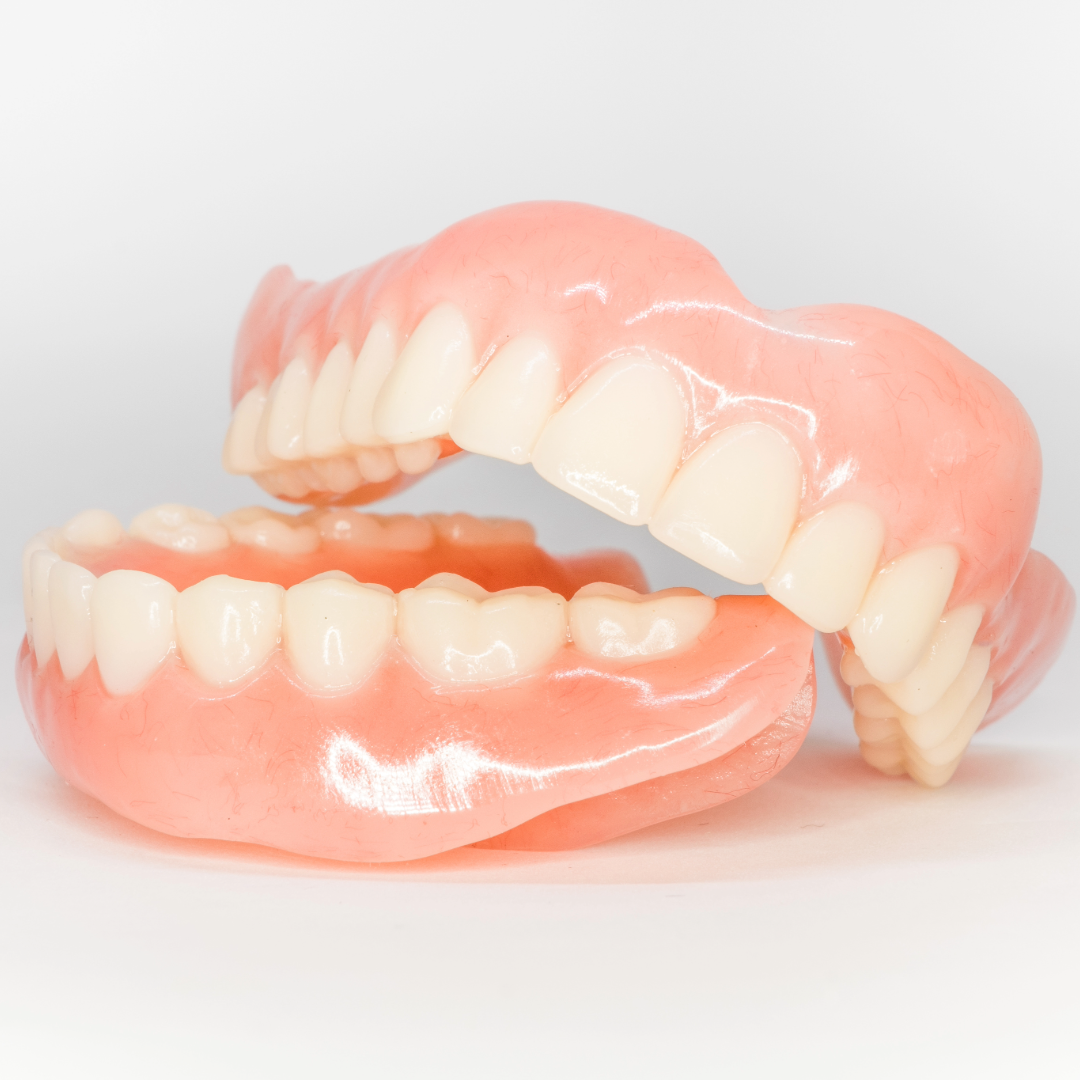
If you’ve ever considered dentures, you might picture something bulky, uncomfortable, or obvious. It’s a common concern—and one we hear often at Irby Dental Practice. But modern dentistry has come a long way, and today’s options are far more refined, discreet, and comfortable than many people expect.
Flexible dentures are one of the most popular alternatives to traditional dentures, offering a more natural look and feel without metal clasps or rigid materials. For many patients, they provide a confidence boost as well as improved day-to-day comfort.
In this guide, we’ll walk you through everything you need to know about flexible dentures—from how they work to who they’re best suited for—so you can make an informed decision about restoring your smile.
Flexible dentures are a type of removable denture made from a soft, bendable material—typically a thermoplastic such as nylon—rather than the rigid acrylic used in traditional dentures.
This flexibility allows the denture to:
Unlike traditional dentures, flexible dentures don’t rely on metal clasps. Instead, they use gum-coloured extensions that help them stay in place while remaining discreet.
One of the biggest advantages of flexible dentures is comfort. Because the material adapts to your mouth, there’s less pressure on the gums and fewer sore spots.
They’re particularly beneficial for:
For many, this means a smoother adjustment period and greater confidence when speaking and eating.
A key concern for denture wearers is how natural their smile looks. Flexible dentures are designed with aesthetics in mind.
They offer:
This makes them an excellent option if you’re looking for a discreet tooth replacement solution.
Traditional partial dentures often use metal hooks to stay in place, which can sometimes be visible when you smile.
Flexible dentures eliminate this issue by using:
This not only improves appearance but also enhances comfort throughout the day.
Understanding the differences can help you decide which option is right for you.
In many cases, flexible dentures are ideal for partial tooth loss, while traditional options may still be recommended for full dentures depending on individual needs.
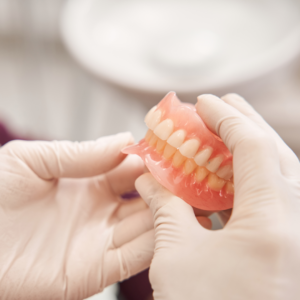
Flexible dentures are a versatile option, but they’re not always the right solution for everyone.
We often recommend them for:
However, for patients with more complex dental needs, alternative treatments such as dental implants may be more suitable.
For further reading on tooth replacement options, you can visit this helpful NHS resource.
Maintaining your dentures properly is essential for both comfort and longevity.
Here are some simple care tips:
Flexible dentures offer a modern, patient-friendly approach to replacing missing teeth. With their comfortable fit and natural appearance, they’re an excellent option for those looking to restore both function and confidence.
At Irby Dental Practice, we take the time to understand your needs and recommend solutions that suit your lifestyle. Whether you’re new to dentures or looking to upgrade your current set, flexible dentures could be the ideal choice for you.
Thinking about replacing missing teeth with a more comfortable, natural option?
Get in touch with Irby Dental Practice today to book your consultation and find out if flexible dentures are right for you.