Maintaining excellent dental health is essential for overall well-being. At Irby Dental Practice, we believe that preventing decay is the cornerstone of a healthy smile. This comprehensive guide explores the causes of tooth decay and provides practical daily tips to keep your teeth strong and healthy. By following these guidelines, you can protect your teeth from decay and maintain a bright, healthy smile.
Understanding Tooth Decay
What is Tooth Decay?
Tooth decay is a process that begins when bacteria in your mouth produce acids that erode the enamel of your teeth. This can lead to cavities, pain, and even tooth loss if not addressed promptly. Understanding how decay develops is the first step in preventing it.
Causes and Contributing Factors
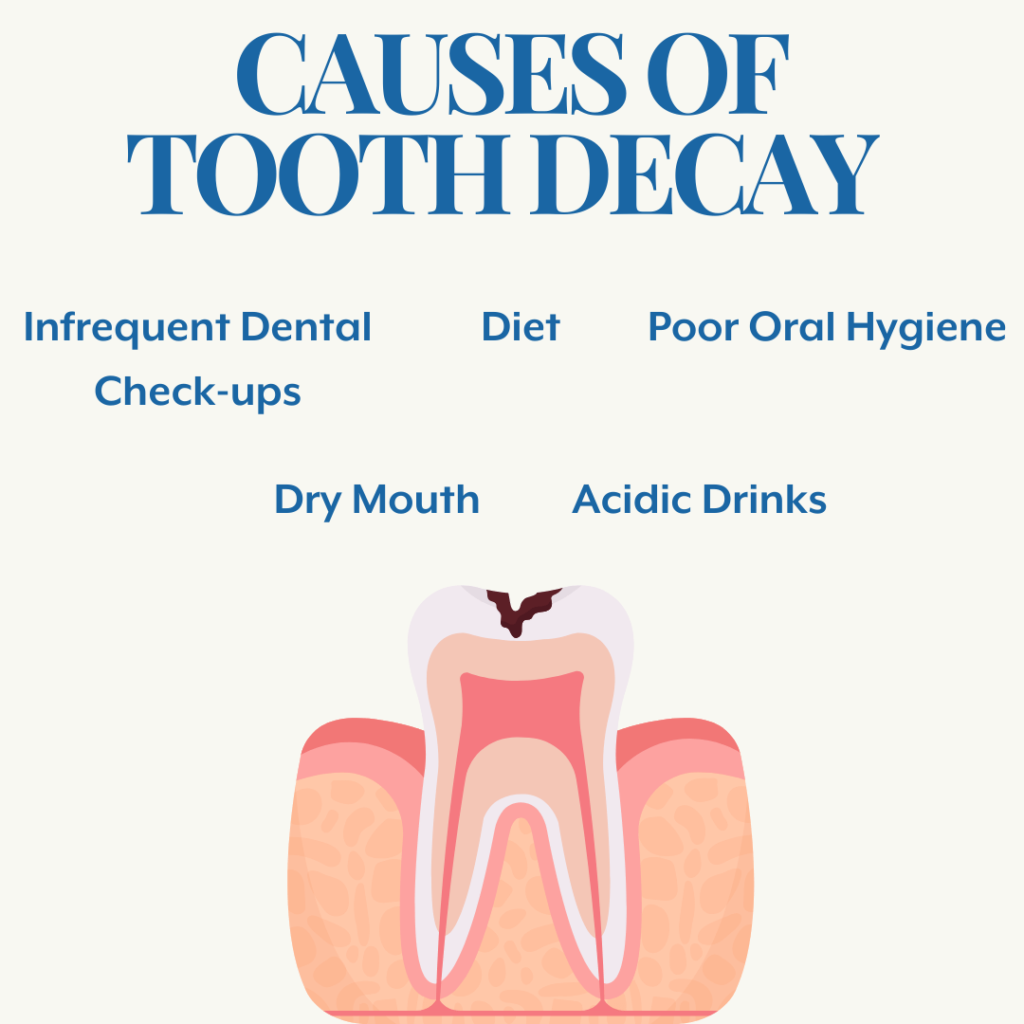
Several factors contribute to tooth decay, including:
Poor Oral Hygiene: Inadequate brushing and flossing allow plaque to build up and acids to damage your teeth.
Diet: Consuming foods and drinks high in sugar and starch feeds the bacteria that cause decay.
Dry Mouth: A lack of saliva reduces the mouth’s ability to neutralise acids and repair early decay.
Acidic Drinks: Frequent consumption of acidic beverages like soda and fruit juice can erode tooth enamel.
Infrequent Dental Check-ups: Regular visits to your dentist can catch decay early and prevent more serious issues.
The Impact of Tooth Decay on Overall Health
Tooth decay isn’t just a dental problem; it can affect your entire body. Infections can spread, leading to more severe health issues such as heart disease, diabetes, and respiratory problems. Moreover, untreated decay can lead to pain, difficulty eating, and a decrease in quality of life. This makes preventing decay crucial for maintaining overall health and well-being.
Daily Oral Hygiene Practices
Proper Brushing Techniques
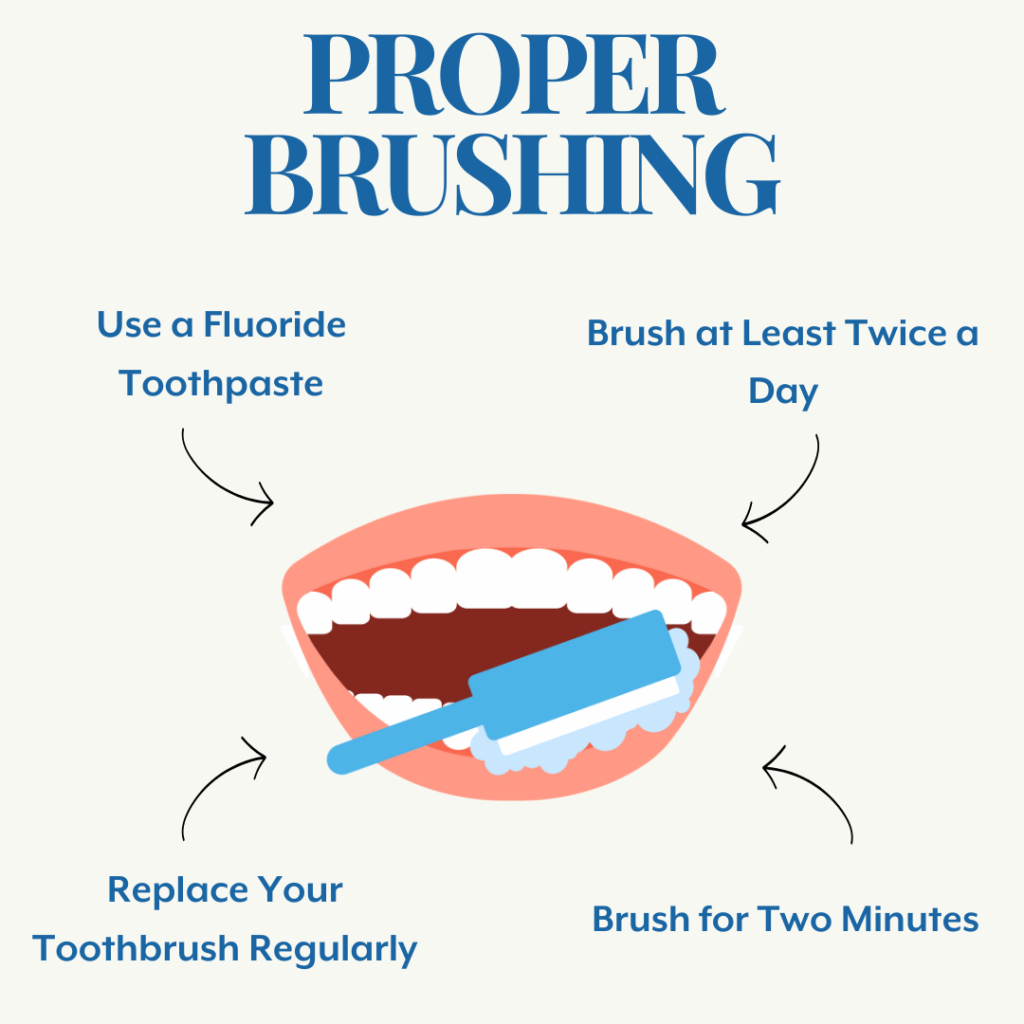
Brushing your teeth correctly is the first line of defence against decay. Here’s how to brush effectively:
Use a Fluoride Toothpaste: Fluoride helps to strengthen enamel and prevent decay.
Brush at Least Twice a Day: Ideally, brush after every meal, but at minimum, brush in the morning and before bed.
Use a Soft-Bristled Brush: Hard bristles can damage gums and enamel.
Brush for Two Minutes: Make sure to cover all surfaces of your teeth, including the front, back, and chewing surfaces.
Replace Your Toothbrush Regularly: Every three months or sooner if the bristles are frayed.
The Importance of Flossing
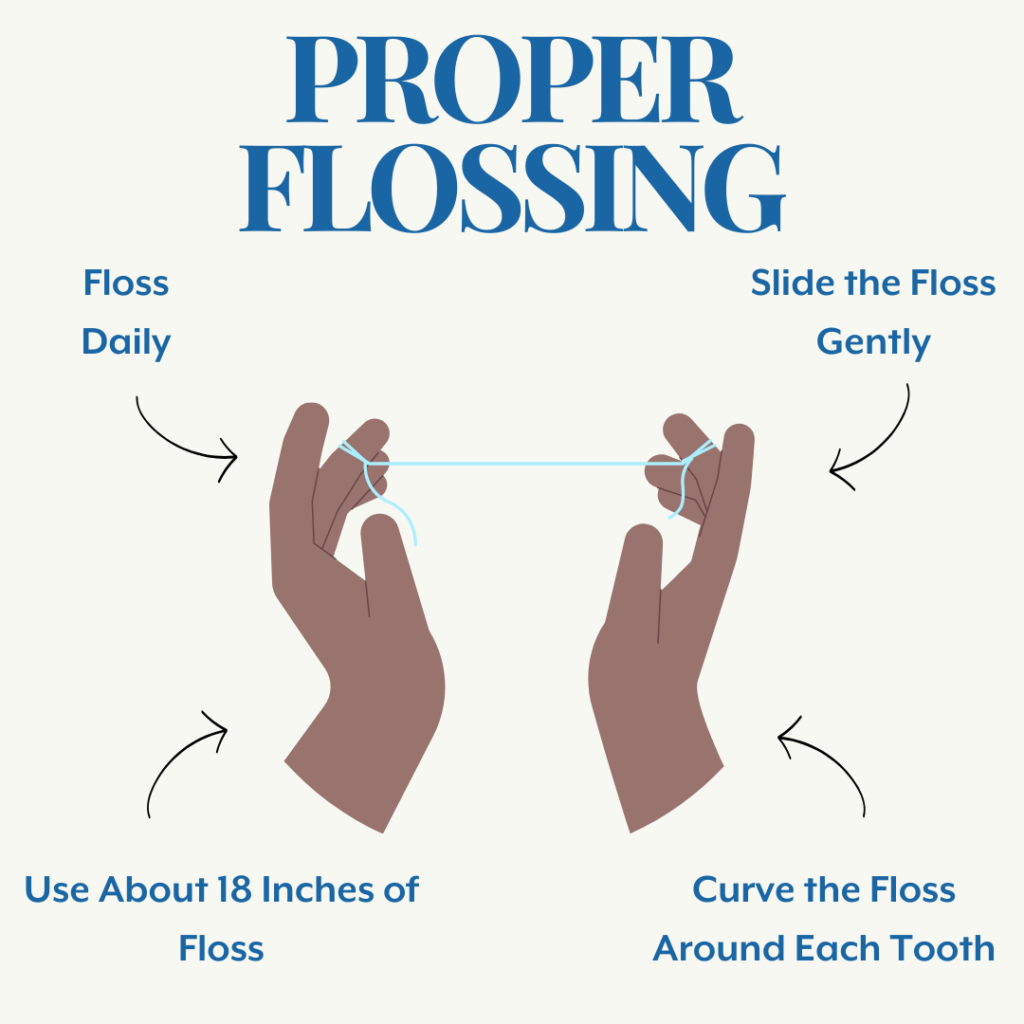
Flossing removes food particles and plaque from between your teeth and under the gumline, where a toothbrush can’t reach. To floss effectively:
Use About 18 Inches of Floss: Wrap the ends around your fingers and hold it taut.
Slide the Floss Gently: Avoid snapping it into your gums.
Curve the Floss Around Each Tooth: Make sure to go beneath the gumline.
Floss Daily: Once a day, preferably before bedtime.
The Role of Mouthwash
Using an antibacterial mouthwash can help reduce plaque and prevent decay. For best results:
Choose a Mouthwash with Fluoride: This helps to strengthen teeth and prevent decay.
Rinse for 30 Seconds: Follow the instructions on the bottle.
Use After Brushing and Flossing: To help reach areas you might have missed.
Diet and Nutrition
Foods and Drinks That Contribute to Tooth Decay
Certain foods and drinks are more likely to cause decay. Limit your intake of:
Sugary Snacks and Sweets: Bacteria in your mouth feed on sugar, producing acids that erode enamel.
Starchy Foods: Chips, bread, and pasta can break down into sugars and contribute to decay.
Acidic Beverages: Sodas, fruit juices, and sports drinks can erode enamel and increase the risk of decay.
Healthy Dietary Choices for Dental Health
A balanced diet can promote dental health and help prevent decay. Consider incorporating the following:
Fresh Fruits and Vegetables: High in water and fibre, they stimulate saliva production, which helps to neutralise acids.
Dairy Products: Milk, cheese, and yoghurt are rich in calcium and phosphates, which help to strengthen teeth.
Nuts and Seeds: These contain important nutrients that support dental health and help to clean teeth.
Tips for Reducing Sugar Intake
Reducing sugar is vital for preventing decay. Try these tips:
Opt for Sugar-Free Snacks: Choose healthier alternatives like fruits, nuts, and vegetables.
Drink Water: Replace sugary and acidic drinks with water to help rinse away food particles and neutralise acids.
Read Food Labels: Check for hidden sugars in processed foods and drinks.
Regular Dental Check-ups
Importance of Routine Dental Visits
Regular check-ups at Irby Dental Practice are essential for early detection and prevention of decay. During your visits, our professionals can identify issues before they become serious problems, ensuring your teeth remain healthy.
What to Expect During a Dental Check-up
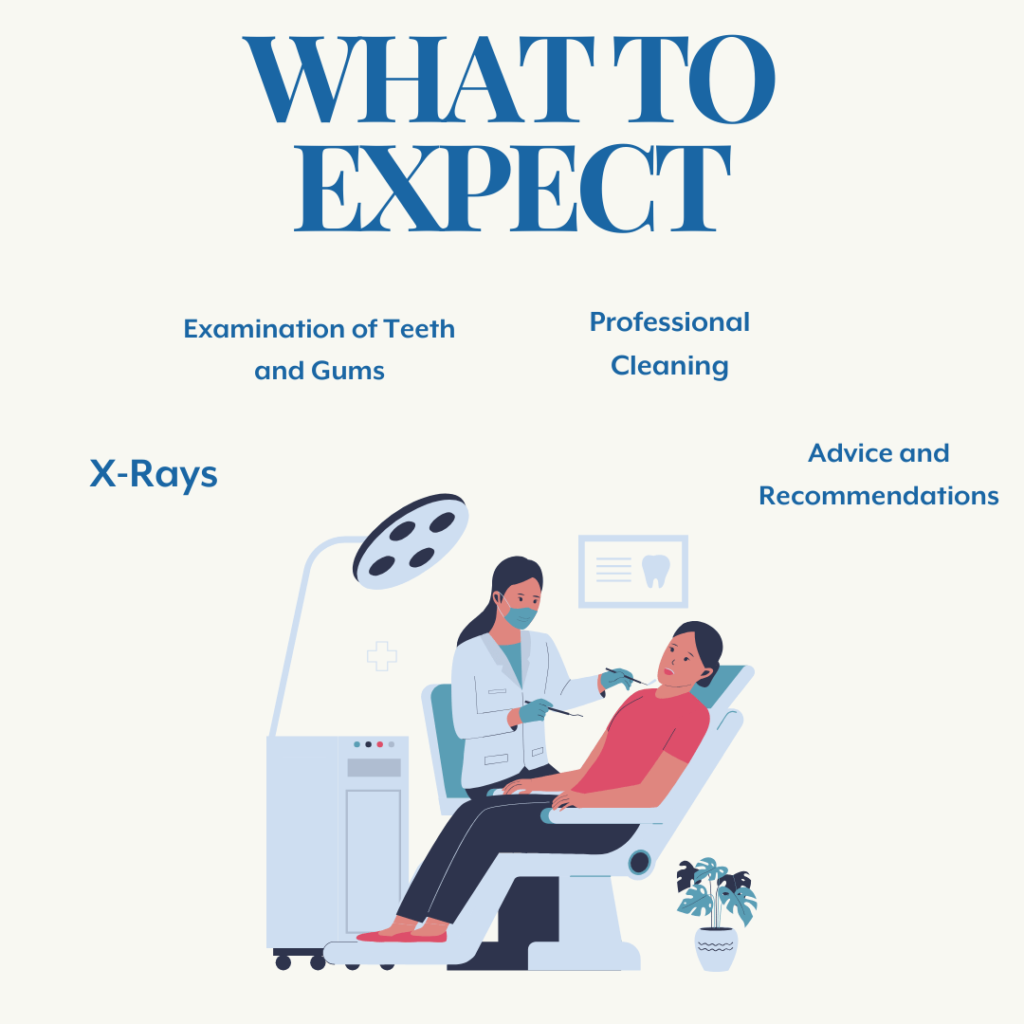
During a routine dental check-up, you can expect the following:
Examination of Teeth and Gums: The dentist will check for signs of decay, gum disease, and other issues.
Professional Cleaning: Removal of plaque and tartar that regular brushing and flossing can’t eliminate.
X-Rays: These may be taken to identify problems below the gumline or between teeth.
Advice and Recommendations: Your dentist will provide guidance on how to improve your oral hygiene routine.
Additional Preventative Measures
Dental Sealants
Dental sealants provide a protective barrier against decay, especially for the back teeth, which have deep grooves that can trap food and bacteria. They are a quick, painless procedure that can significantly reduce the risk of cavities.
Fluoride Treatments and Supplements
Fluoride is a mineral that helps to strengthen tooth enamel and prevent decay. Your dentist may recommend professional fluoride treatments or supplements if you’re at high risk for decay.
Benefits of Chewing Sugar-Free Gum
Chewing sugar-free gum after meals stimulates saliva production, which helps wash away food particles and neutralise acids that cause decay. Look for gum with xylitol, a natural sweetener that has been shown to reduce bacteria levels in the mouth.
Common Myths and Misconceptions
There are many myths about dental care that can lead to poor practices. Let’s set the record straight on a few:
Myth: Sugar-free drinks can’t cause decay. Fact: Many sugar-free drinks are acidic and can erode enamel.
Myth: Brushing harder cleans better. Fact: Brushing too hard can damage your gums and enamel. Use a gentle, circular motion instead.
Myth: You only need to see the dentist if you have a problem. Fact: Regular check-ups can prevent problems and detect issues early when they’re easier to treat.
Special Considerations
Dental Care for Children and Adolescents
Children and teenagers have unique dental needs. Encourage good habits early to ensure they maintain healthy teeth into adulthood. Tips include:
Supervise Brushing and Flossing: Ensure they’re using proper techniques.
Limit Sugary Snacks and Drinks: Encourage healthier choices.
Regular Dental Visits: Schedule check-ups every six months.
Oral Hygiene During Pregnancy
Pregnancy can affect your dental health. Hormonal changes can increase the risk of gum disease and decay. Maintain good oral hygiene and visit your dentist regularly to prevent issues. Your dentist can also provide specific advice tailored to your needs during this time.
Caring for Ageing Teeth
As we age, our teeth require extra care. Focus on:
Regular Dental Check-ups: To catch and treat problems early.
Using Fluoride Toothpaste: To strengthen enamel.
Managing Dry Mouth: Drink plenty of water and use saliva substitutes if necessary.
Conclusion
Preventing decay is vital for a healthy smile and overall well-being. By following the daily dental care practices outlined in this guide, you can protect your teeth from decay and enjoy a lifetime of good oral health. Schedule your next appointment with Irby Dental Practice and take the first step towards a healthier smile today.
FAQs
How often should I brush my teeth to prevent decay?
Brush at least twice a day with fluoride toothpaste to effectively prevent decay.
Is flossing really necessary?
Yes, flossing is crucial for removing plaque and food particles between teeth, areas that your toothbrush can’t reach.
What foods should I avoid to prevent decay?
Avoid sugary and starchy foods, as well as acidic drinks like soda and fruit juice, to protect your teeth from decay.
References and Further Reading
For more information on preventing decay and maintaining dental health, visit the following resources:
By adhering to these guidelines, you can significantly reduce your risk of tooth decay and maintain a healthy, beautiful smile. Irby Dental Practice is here to support you every step of the way.
Book your dental appointment with Irby Dental Practice today to boost your confidence and smile.