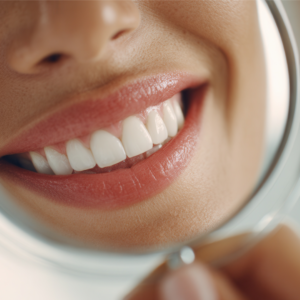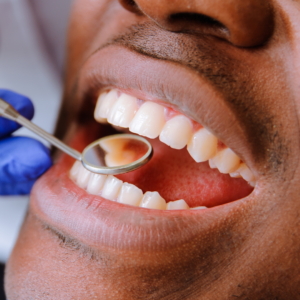
When a tooth becomes damaged, weakened, or heavily restored, many patients worry that their only option is a noticeable metal crown or losing the tooth altogether. Fortunately, modern dentistry offers far more natural-looking solutions than ever before.
Ceramic crowns have become one of the most popular ways to restore teeth because they combine strength, durability, and aesthetics in a way that feels seamless with the rest of your smile. Whether you’re repairing a damaged tooth or improving the appearance of an older restoration, ceramic crowns can provide a long-lasting and highly natural result.
At Irby Dental Practice, we understand that patients want dental treatments that not only function well but also look and feel like natural teeth. In this blog, we’ll explain everything you need to know about ceramic crowns, including how they work, their benefits, and what to expect from treatment.
What Are Ceramic Crowns?
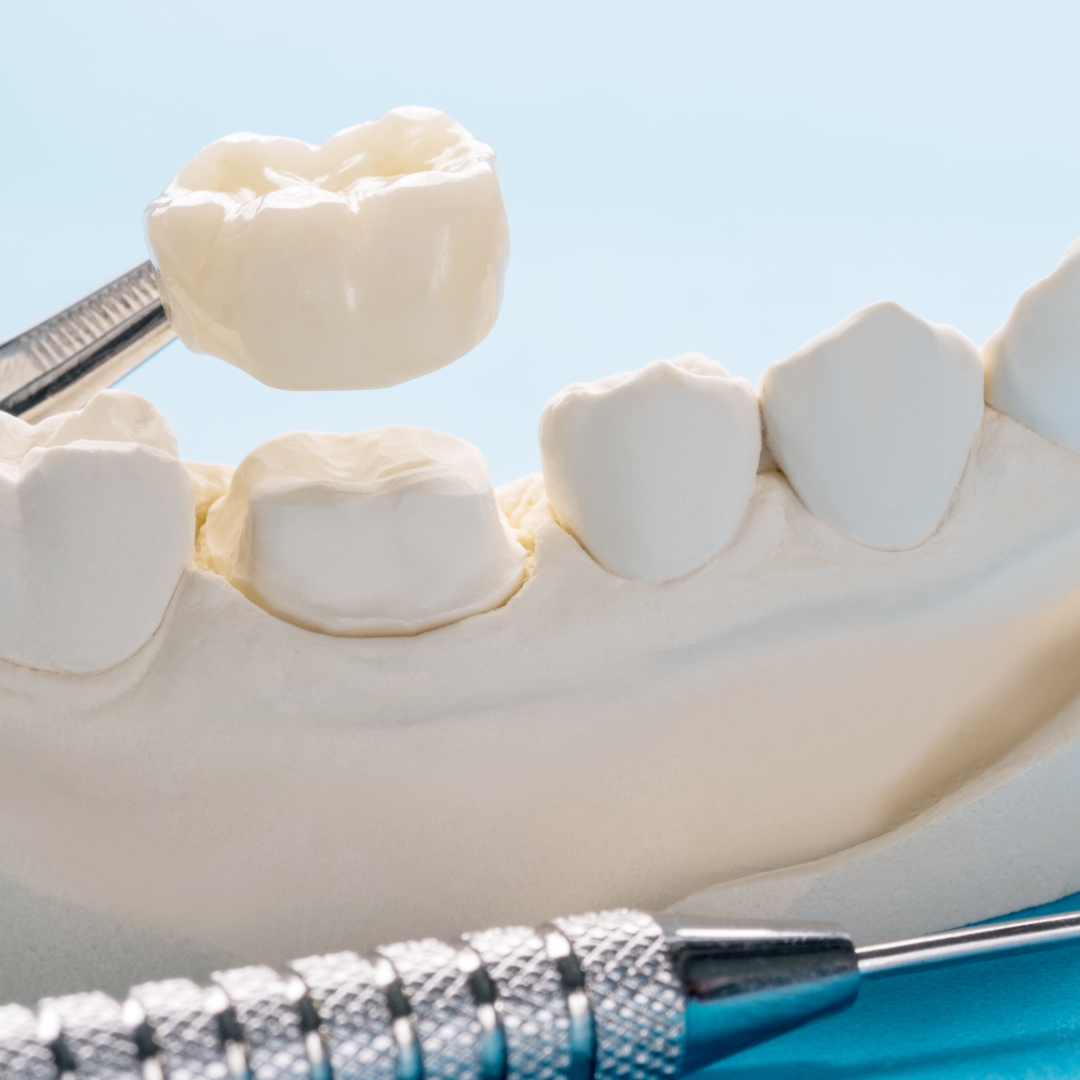
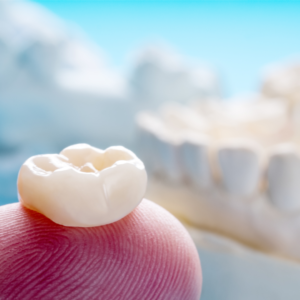
A ceramic crown is a custom-made cap that fits over a damaged or weakened tooth to restore its shape, strength, and appearance.
They are designed to:
- Protect weakened teeth
- Restore broken or worn teeth
- Improve tooth appearance
- Strengthen teeth after root canal treatment
- Replace large failing fillings
Unlike traditional metal-based crowns, ceramic crowns are made entirely from tooth-coloured materials, allowing them to blend naturally with surrounding teeth.
Because of their realistic appearance, they are commonly used on visible teeth, though modern ceramic materials are now strong enough for many back teeth as well.
Why Ceramic Crowns Are So Popular
1. Natural Aesthetics
One of the biggest reasons patients choose ceramic crowns is their appearance.
Modern ceramics mimic natural enamel by reflecting light similarly to real teeth, helping create a restoration that feels subtle and lifelike.
Benefits include:
- Natural colour matching
- No visible metal edges
- Realistic translucency
- Smooth, polished finish
For many patients, the goal is for nobody to notice the crown at all—and ceramic crowns are designed with exactly that in mind.
2. Strength and Durability
Although ceramic crowns are highly aesthetic, they’re also built to withstand everyday function.
With proper care, ceramic crowns can last many years while providing excellent protection for damaged teeth.
They are commonly used for:
- Cracked teeth
- Teeth weakened by decay
- Teeth with large fillings
- Cosmetic smile improvements
Modern ceramic materials have improved significantly over the years, making them far stronger and more reliable than older generations of crowns.
3. A Metal-Free Option
Some patients prefer metal-free dentistry for aesthetic or personal reasons.
Ceramic crowns offer:
- A completely metal-free restoration
- Reduced risk of dark lines near the gums
- A more natural appearance in photographs and natural light
This makes them particularly popular for front teeth and smile makeover treatments.

When Might You Need a Ceramic Crown?
Ceramic crowns can be recommended for both restorative and cosmetic reasons.
You may benefit from one if you have:
- A cracked or broken tooth
- Severe tooth wear
- A tooth weakened after root canal treatment
- A heavily filled tooth
- Discolouration that cannot be corrected with whitening
- An older crown needing replacement
During your consultation, we assess the strength, function, and appearance of the tooth to determine whether a crown is the most suitable solution.
What Happens During Ceramic Crown Treatment?
The process is usually completed over two appointments.
First Appointment
During the first visit, we:
- Prepare the tooth carefully
- Take digital scans or impressions
- Select the correct shade for a natural result
- Fit a temporary crown if needed
Second Appointment
Once your custom crown is ready, we:
- Check the fit and appearance
- Make any necessary adjustments
- Bond the crown securely into place
The final result is designed to feel comfortable, functional, and natural alongside your existing teeth.

How Long Do Ceramic Crowns Last?
Ceramic crowns are designed to be long-lasting, especially when cared for properly.
To help maintain them, we recommend:
- Brushing twice daily
- Cleaning between teeth regularly
- Attending routine dental check-ups
- Avoiding excessive grinding or clenching
Many ceramic crowns last 10–15 years or longer with good maintenance.
You can learn more about caring for restorations through the
Oral Health Foundation:
https://www.dentalhealth.org/
Ceramic Crowns vs Veneers: What’s the Difference?
Patients sometimes confuse crowns and veneers, but they serve different purposes.
Ceramic Crowns
- Cover the entire tooth
- Restore strength and function
- Suitable for damaged teeth
Veneers
- Cover only the front surface
- Primarily cosmetic
- Best for minor aesthetic changes
If a tooth is heavily weakened, a crown is often the more protective option.
You can also explore our
Cosmetic Dentistry Treatments
to understand which option may suit your smile goals.
Key Benefits at a Glance
- Natural-looking appearance
- Durable and long-lasting
- Metal-free solution
- Protects weakened teeth
- Custom-made for your smile
- Suitable for cosmetic and restorative treatment
Ceramic crowns offer an excellent balance between aesthetics and durability, making them one of the most trusted restorative options in modern dentistry. Whether you’re repairing damage or improving the appearance of a tooth, they provide a natural-looking solution designed to blend seamlessly into your smile.
At Irby Dental Practice, we believe dental restorations should feel as good as they look. By combining advanced materials with careful planning, we create ceramic crowns that restore confidence as well as function.