Everything You Should Know About Ceramic Crowns

When a tooth becomes damaged, weakened, or heavily restored, many patients worry that their only option is a noticeable metal crown or losing the tooth altogether. Fortunately, modern dentistry offers far more natural-looking solutions than ever before.

Ceramic crowns have become one of the most popular ways to restore teeth because they combine strength, durability, and aesthetics in a way that feels seamless with the rest of your smile. Whether you’re repairing a damaged tooth or improving the appearance of an older restoration, ceramic crowns can provide a long-lasting and highly natural result.

At Irby Dental Practice, we understand that patients want dental treatments that not only function well but also look and feel like natural teeth. In this blog, we’ll explain everything you need to know about ceramic crowns, including how they work, their benefits, and what to expect from treatment.
Dental Crowns

What Are Ceramic Crowns?

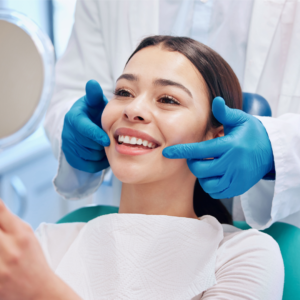
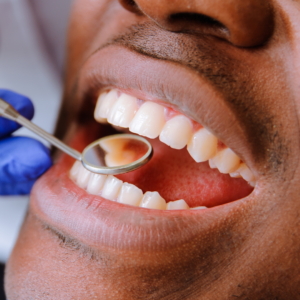
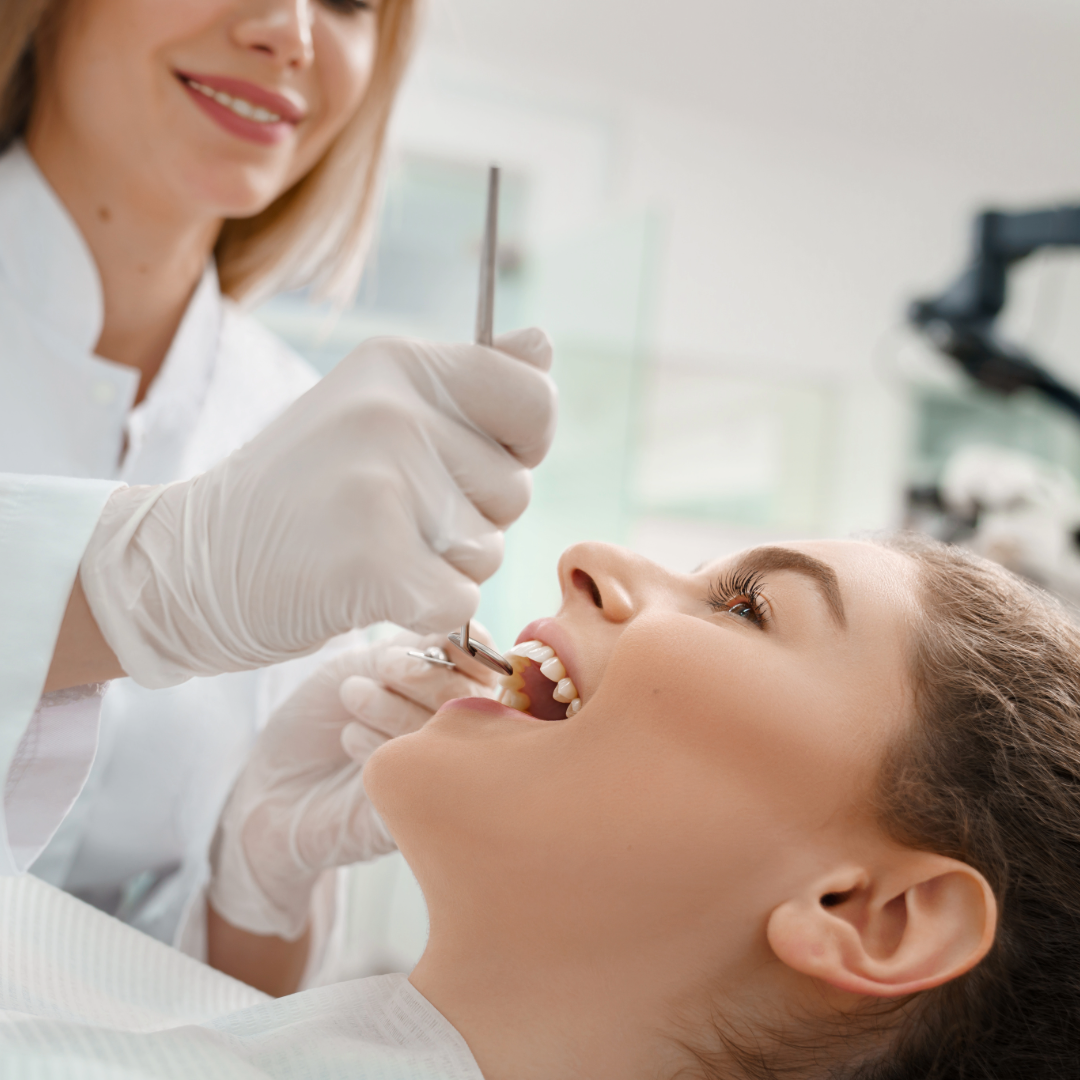
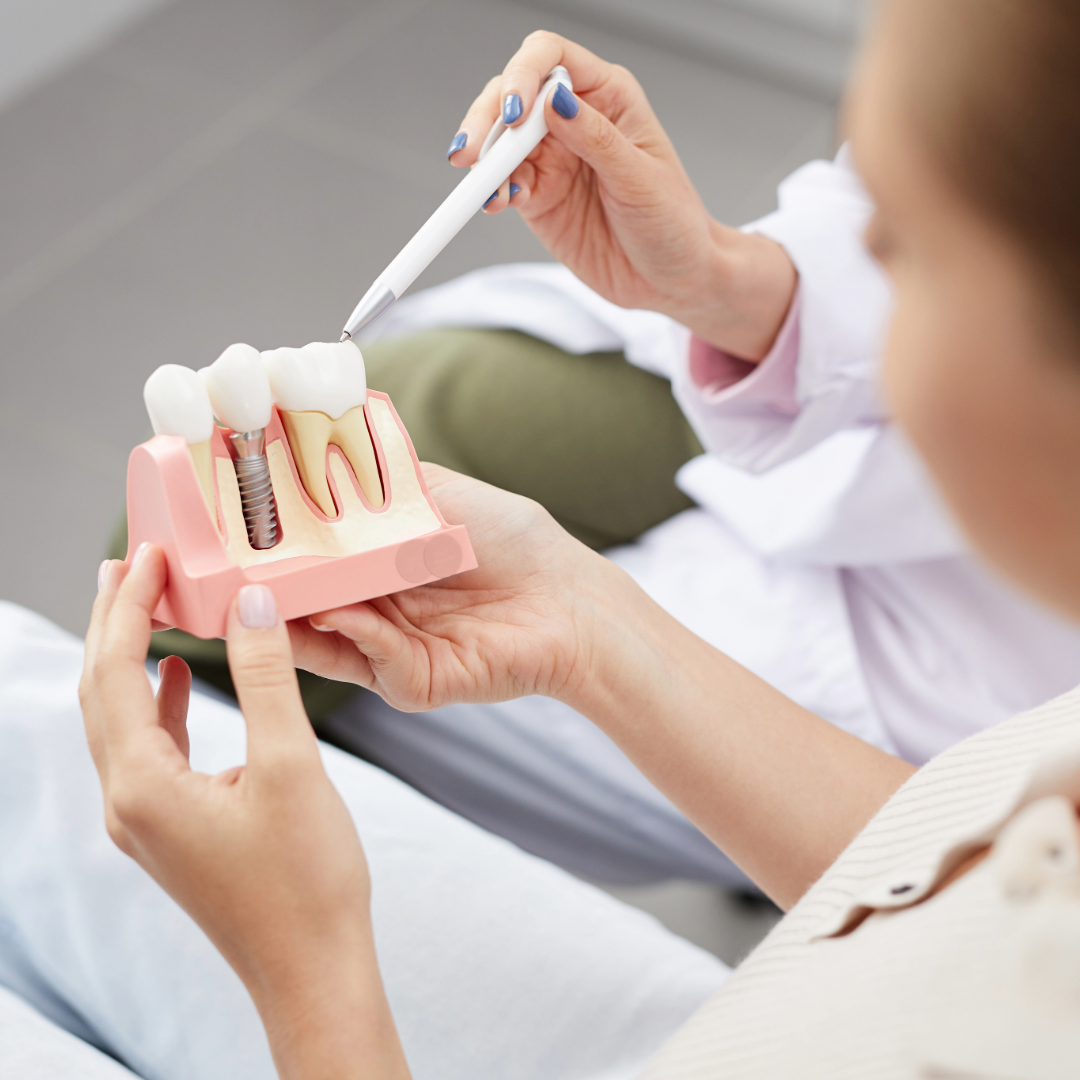
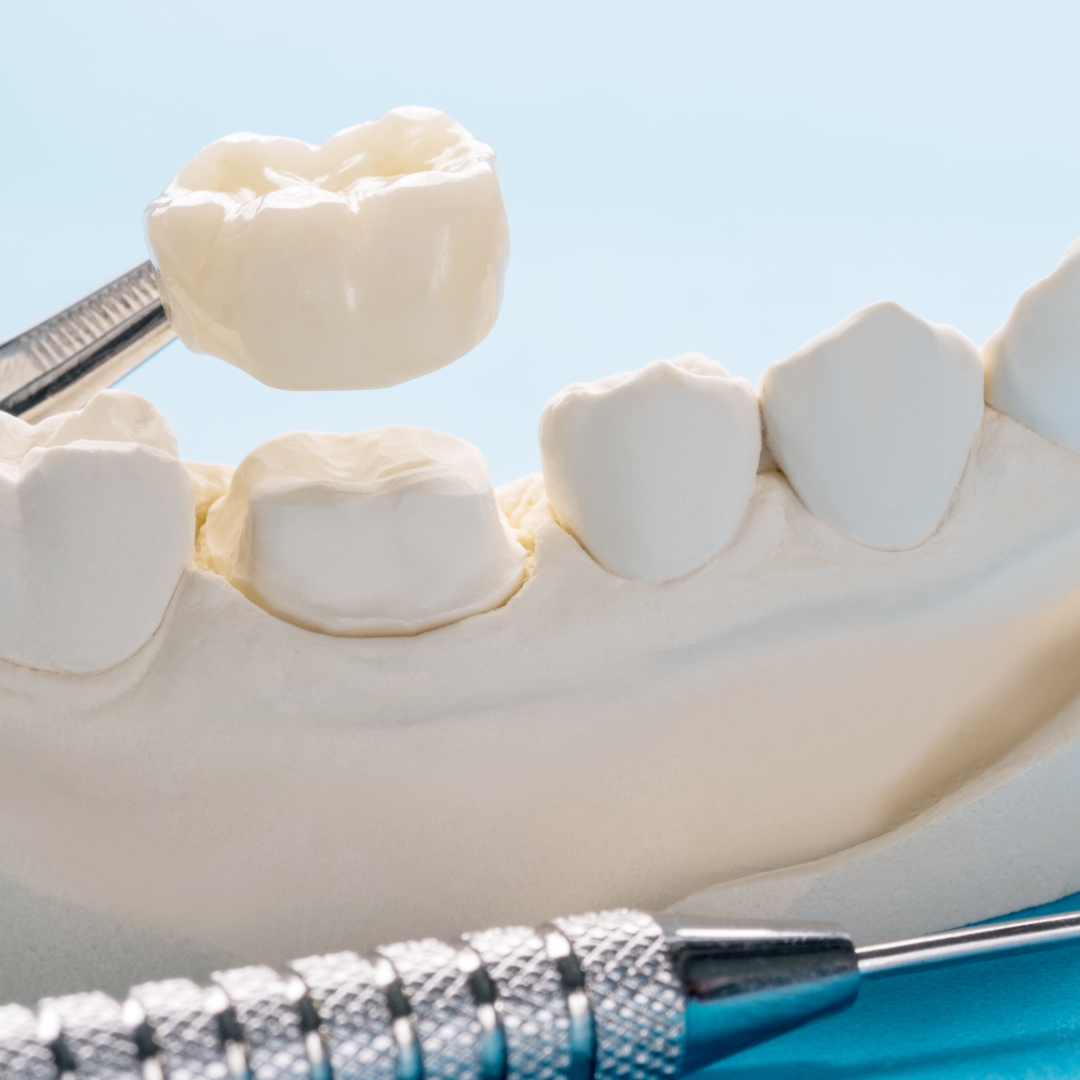
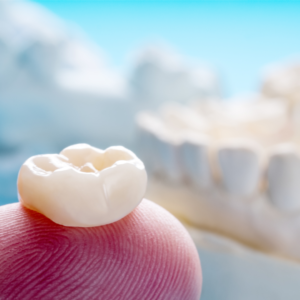
A ceramic crown is a custom-made cap that fits over a damaged or weakened tooth to restore its shape, strength, and appearance.

They are designed to:

  • Protect weakened teeth
  • Restore broken or worn teeth
  • Improve tooth appearance
  • Strengthen teeth after root canal treatment
  • Replace large failing fillings

Unlike traditional metal-based crowns, ceramic crowns are made entirely from tooth-coloured materials, allowing them to blend naturally with surrounding teeth.

Because of their realistic appearance, they are commonly used on visible teeth, though modern ceramic materials are now strong enough for many back teeth as well.

Why Ceramic Crowns Are So Popular

1. Natural Aesthetics

One of the biggest reasons patients choose ceramic crowns is their appearance.

Modern ceramics mimic natural enamel by reflecting light similarly to real teeth, helping create a restoration that feels subtle and lifelike.

Benefits include:

  • Natural colour matching
  • No visible metal edges
  • Realistic translucency
  • Smooth, polished finish

For many patients, the goal is for nobody to notice the crown at all—and ceramic crowns are designed with exactly that in mind.

2. Strength and Durability

Although ceramic crowns are highly aesthetic, they’re also built to withstand everyday function.

With proper care, ceramic crowns can last many years while providing excellent protection for damaged teeth.

They are commonly used for:

  • Cracked teeth
  • Teeth weakened by decay
  • Teeth with large fillings
  • Cosmetic smile improvements

Modern ceramic materials have improved significantly over the years, making them far stronger and more reliable than older generations of crowns.

3. A Metal-Free Option

Some patients prefer metal-free dentistry for aesthetic or personal reasons.

Ceramic crowns offer:

  • A completely metal-free restoration
  • Reduced risk of dark lines near the gums
  • A more natural appearance in photographs and natural light

This makes them particularly popular for front teeth and smile makeover treatments.
When Might You Need a Ceramic Crown?

Ceramic crowns can be recommended for both restorative and cosmetic reasons.

You may benefit from one if you have:

  • A cracked or broken tooth
  • Severe tooth wear
  • A tooth weakened after root canal treatment
  • A heavily filled tooth
  • Discolouration that cannot be corrected with whitening
  • An older crown needing replacement

During your consultation, we assess the strength, function, and appearance of the tooth to determine whether a crown is the most suitable solution.

What Happens During Ceramic Crown Treatment?

The process is usually completed over two appointments.

First Appointment

During the first visit, we:

  • Prepare the tooth carefully
  • Take digital scans or impressions
  • Select the correct shade for a natural result
  • Fit a temporary crown if needed

Second Appointment

Once your custom crown is ready, we:

  • Check the fit and appearance
  • Make any necessary adjustments
  • Bond the crown securely into place

The final result is designed to feel comfortable, functional, and natural alongside your existing teeth.

How Long Do Ceramic Crowns Last?

Ceramic crowns are designed to be long-lasting, especially when cared for properly.

To help maintain them, we recommend:

  • Brushing twice daily
  • Cleaning between teeth regularly
  • Attending routine dental check-ups
  • Avoiding excessive grinding or clenching

Many ceramic crowns last 10–15 years or longer with good maintenance.

You can learn more about caring for restorations through the
Oral Health Foundation:
https://www.dentalhealth.org/

Ceramic Crowns vs Veneers: What’s the Difference?

Patients sometimes confuse crowns and veneers, but they serve different purposes.

Ceramic Crowns

  • Cover the entire tooth
  • Restore strength and function
  • Suitable for damaged teeth

Veneers

  • Cover only the front surface
  • Primarily cosmetic
  • Best for minor aesthetic changes

If a tooth is heavily weakened, a crown is often the more protective option.

You can also explore our
Cosmetic Dentistry Treatments
to understand which option may suit your smile goals.

Key Benefits at a Glance

  • Natural-looking appearance
  • Durable and long-lasting
  • Metal-free solution
  • Protects weakened teeth
  • Custom-made for your smile
  • Suitable for cosmetic and restorative treatment

Ceramic crowns offer an excellent balance between aesthetics and durability, making them one of the most trusted restorative options in modern dentistry. Whether you’re repairing damage or improving the appearance of a tooth, they provide a natural-looking solution designed to blend seamlessly into your smile.

At Irby Dental Practice, we believe dental restorations should feel as good as they look. By combining advanced materials with careful planning, we create ceramic crowns that restore confidence as well as function.

Injection Moulding: A Predictable Route to a Natural Smile

When people think about improving their smile, one of the biggest concerns is uncertainty. Will the results look natural? Will too much tooth structure need to be removed? And perhaps most importantly—how can you know what the final result will actually look like before treatment begins?

Modern cosmetic dentistry is increasingly focused on techniques that are conservative, precise, and predictable. One treatment that’s becoming more widely recognised for delivering reliable aesthetic results is injection moulding.

Injection moulding is an advanced bonding technique that allows dentists to carefully shape and restore teeth using highly detailed planning and precision-guided composite materials. The result is a smile that looks balanced, natural, and tailored to the individual patient.

In this blog, we’ll explore what injection moulding is, why it’s becoming such a popular option in cosmetic dentistry, and how it can help patients achieve beautifully natural results with minimal intervention.

Injection moulding

What Is Injection Moulding in Dentistry?

Injection moulding is a cosmetic dental technique used to place composite bonding in a highly accurate and controlled way.

The process involves:

  1. Digitally planning the new smile
  2. Creating a custom mould based on the ideal tooth shape
  3. Injecting flowable composite material into the mould
  4. Carefully polishing and refining the final result

Because the shape is planned in advance, the treatment is incredibly precise and predictable.

Unlike more invasive cosmetic treatments, injection moulding often requires little to no drilling of the natural teeth, making it a more conservative option for suitable patients.

Why Injection Moulding Is Becoming So Popular

1. Predictable Aesthetic Results

One of the biggest benefits of injection moulding is consistency. The treatment is planned in detail before any bonding is placed, allowing patients and dentists to visualise the intended outcome ahead of time.

This approach helps create:

  • More symmetrical smiles
  • Consistent tooth shapes
  • Natural-looking contours
  • Balanced proportions

For patients who want confidence in the final result, predictability can make the entire experience feel far less daunting.

2. A Minimally Invasive Cosmetic Option

Many patients are surprised to learn that cosmetic dentistry doesn’t always mean veneers or extensive drilling.

Injection moulding is often used as a minimally invasive alternative because it preserves more of the natural tooth structure.

This makes it a suitable option for concerns such as:

  • Worn edges
  • Small chips
  • Uneven teeth
  • Gaps between teeth
  • Mild cosmetic imperfections

Preserving healthy enamel wherever possible is an important part of modern dentistry, and injection moulding aligns well with that philosophy.

3. Natural-Looking Composite Bonding

Composite bonding has become increasingly popular because it can achieve highly aesthetic results without permanently altering the teeth.

Injection moulding enhances this further by improving precision and detail.

The result is often:

  • Smooth, natural contours
  • Improved translucency and texture
  • Seamless blending with surrounding teeth

For many patients, the goal isn’t a “perfect Hollywood smile”—it’s simply looking fresher, healthier, and more confident while still looking like themselves.

Who Is Injection Moulding Suitable For?

Injection moulding can be an excellent option for patients looking to improve their smile conservatively.

It may be suitable for:

  • Chipped or worn teeth
  • Small gaps between teeth
  • Uneven edges
  • Patients wanting composite bonding
  • Smile refreshes without veneers

However, every smile is different. A detailed consultation is important to determine whether injection moulding is the best option for your goals.

For patients with more significant alignment concerns, treatments such as orthodontics may also be recommended alongside cosmetic bonding.

You can learn more about cosmetic dentistry options through the
British Academy of Cosmetic Dentistry:
https://bacd.com/

The Benefits of Digital Smile Planning

A major advantage of injection moulding is the planning stage behind it.

Digital smile design allows the treatment to be carefully mapped out before work begins, helping create a more accurate final result.

This can help patients:

  • Visualise potential outcomes
  • Feel more involved in the process
  • Make informed decisions about treatment

At Irby Dental Practice, we believe communication and planning are just as important as the treatment itself when it comes to achieving natural-looking cosmetic results.

How Long Does Injection Moulding Last?

Like all cosmetic dental work, longevity depends on maintenance and lifestyle habits.

With good care, composite bonding placed using injection moulding can last for several years.

To maintain results, we recommend:

  • Regular dental check-ups
  • Daily brushing and interdental cleaning
  • Avoiding habits like nail biting or chewing ice
  • Hygiene appointments to keep the bonding polished and healthy

You can also explore our
Composite Bonding Treatments
to learn more about maintaining cosmetic dental work.

Key Benefits at a Glance

  • Predictable cosmetic results
  • Conservative approach with minimal drilling
  • Natural-looking composite bonding
  • Improved symmetry and smile balance
  • Detailed smile planning before treatment
  • Comfortable and efficient treatment process

Injection moulding is changing the way many patients experience cosmetic dentistry. By combining careful planning with modern composite techniques, it offers a reliable and minimally invasive route to a more balanced, confident smile.

For patients who want natural-looking improvements without heavily altering their teeth, it can be an excellent option.

At Irby Dental Practice, we focus on treatments that prioritise both aesthetics and long-term dental health. Injection moulding allows us to create beautiful, predictable results while preserving as much natural tooth structure as possible.

Thinking about improving your smile with a more conservative cosmetic treatment?

Contact Irby Dental Practice today to book a consultation and find out whether injection moulding could help you achieve your ideal smile.

Flexible Dentures: A Comfortable, Natural Alternative

If you’ve ever considered dentures, you might picture something bulky, uncomfortable, or obvious. It’s a common concern—and one we hear often at Irby Dental Practice. But modern dentistry has come a long way, and today’s options are far more refined, discreet, and comfortable than many people expect.

Flexible dentures are one of the most popular alternatives to traditional dentures, offering a more natural look and feel without metal clasps or rigid materials. For many patients, they provide a confidence boost as well as improved day-to-day comfort.

In this guide, we’ll walk you through everything you need to know about flexible dentures—from how they work to who they’re best suited for—so you can make an informed decision about restoring your smile.

Flexible Dentures

What Are Flexible Dentures?

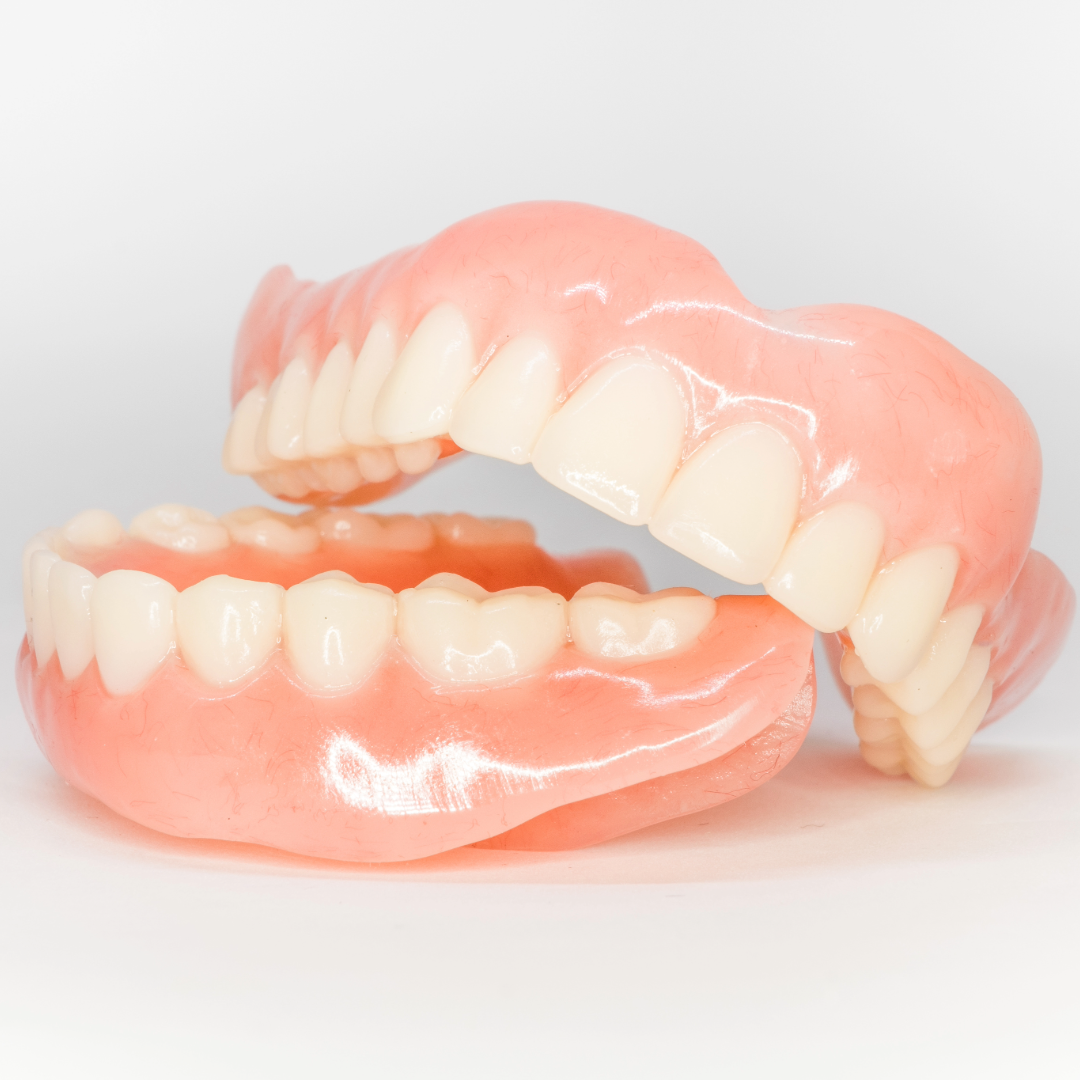
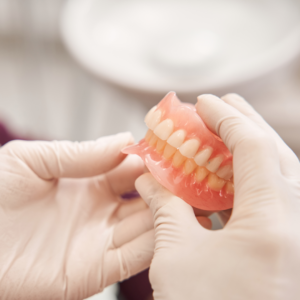
Flexible dentures are a type of removable denture made from a soft, bendable material—typically a thermoplastic such as nylon—rather than the rigid acrylic used in traditional dentures.

This flexibility allows the denture to:

  • Adapt more comfortably to the shape of your gums
  • Sit more securely in the mouth
  • Blend in naturally with your existing teeth

Unlike traditional dentures, flexible dentures don’t rely on metal clasps. Instead, they use gum-coloured extensions that help them stay in place while remaining discreet.

Why Patients Are Choosing Flexible Dentures

1. Enhanced Comfort for Everyday Wear

One of the biggest advantages of flexible dentures is comfort. Because the material adapts to your mouth, there’s less pressure on the gums and fewer sore spots.

They’re particularly beneficial for:

  • Patients with sensitive gums
  • Those who struggle with rigid dentures
  • First-time denture wearers

For many, this means a smoother adjustment period and greater confidence when speaking and eating.

2. A More Natural Appearance

A key concern for denture wearers is how natural their smile looks. Flexible dentures are designed with aesthetics in mind.

They offer:

  • Gum-coloured bases that blend seamlessly
  • No visible metal clasps
  • A lightweight, less bulky design

This makes them an excellent option if you’re looking for a discreet tooth replacement solution.

3. Secure Fit Without Metal Clasps

Traditional partial dentures often use metal hooks to stay in place, which can sometimes be visible when you smile.

Flexible dentures eliminate this issue by using:

  • Flexible clasps that match your gum colour
  • A snug fit that adapts to movement

This not only improves appearance but also enhances comfort throughout the day.

Flexible Dentures vs Traditional Dentures

Understanding the differences can help you decide which option is right for you.

Traditional Dentures:

  • Made from rigid acrylic
  • May include metal clasps
  • Can feel bulky or less adaptable

Flexible Dentures:

  • Made from soft, flexible materials
  • Metal-free and more discreet
  • Lightweight and comfortable

In many cases, flexible dentures are ideal for partial tooth loss, while traditional options may still be recommended for full dentures depending on individual needs.

Who Are Flexible Dentures Suitable For?

Flexible dentures are a versatile option, but they’re not always the right solution for everyone.

We often recommend them for:

  • Patients missing a few teeth (partial dentures)
  • Those seeking a more natural-looking option
  • Patients with sensitivities or allergies to metal
  • Individuals wanting a lightweight, comfortable fit

However, for patients with more complex dental needs, alternative treatments such as dental implants may be more suitable.

For further reading on tooth replacement options, you can visit this helpful NHS resource.

How to Care for Flexible Dentures

Maintaining your dentures properly is essential for both comfort and longevity.

Here are some simple care tips:

  • Clean your dentures daily using a soft brush
  • Avoid using hot water, as it can distort the material
  • Store them safely when not in use
  • Attend regular dental check-ups for adjustments

Key Benefits at a Glance

  • Comfortable, flexible fit
  • Natural-looking appearance
  • No metal clasps
  • Lightweight and discreet
  • Ideal for partial tooth replacement

Flexible dentures offer a modern, patient-friendly approach to replacing missing teeth. With their comfortable fit and natural appearance, they’re an excellent option for those looking to restore both function and confidence.

At Irby Dental Practice, we take the time to understand your needs and recommend solutions that suit your lifestyle. Whether you’re new to dentures or looking to upgrade your current set, flexible dentures could be the ideal choice for you.

Thinking about replacing missing teeth with a more comfortable, natural option?

Get in touch with Irby Dental Practice today to book your consultation and find out if flexible dentures are right for you.

Air Polishing: The Modern Way to Clean Teeth

When was the last time your teeth felt truly clean? Not just after brushing, but that smooth, fresh-from-the-dentist feeling that lasts. Many patients come to us at Irby Dental Practice thinking a standard clean is their only option—but there’s a more advanced, comfortable approach that’s changing the way we care for smiles.

Air polishing is quickly becoming one of the most talked-about hygiene treatments in modern dentistry. It’s gentle, highly effective, and ideal for removing stubborn stains caused by coffee, tea, red wine, and everyday life.

In this guide, we’ll explore what air polishing is, how it works, and why it might be the upgrade your oral care routine has been missing. Whether you’re focused on aesthetics or long-term oral health, understanding this treatment can help you make more informed choices about your smile.

air polishing

What Is Air Polishing and How Does It Work?

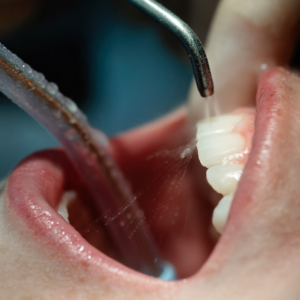
Air polishing is an advanced dental cleaning technique that uses a controlled stream of air, water, and fine powder particles to remove plaque, surface stains, and bacteria from the teeth.

Unlike traditional polishing methods that rely on abrasive pastes and rotating tools, air polishing is:

  • Minimally abrasive
  • More comfortable for sensitive teeth
  • Highly effective in hard-to-reach areas

The fine powder (often erythritol or sodium bicarbonate-based) gently lifts stains without damaging enamel, making it a safer option for regular maintenance.

For a deeper understanding of how professional cleaning supports oral health, you can explore this helpful external resource from the British Dental Association.

Why More Patients Are Choosing Air Polishing

1. A Gentler Approach to Dental Hygiene

One of the biggest concerns we hear from patients is discomfort during hygiene appointments. Air polishing offers a much softer experience compared to traditional scaling and polishing.

It’s particularly beneficial for patients with:

  • Sensitive teeth
  • Gum recession
  • Dental anxiety
  • Orthodontic appliances (like braces or retainers)

Because the treatment is less invasive, it helps reduce irritation while still delivering excellent results.

2. Effective Stain Removal for a Brighter Smile

If you’ve noticed staining from lifestyle habits, air polishing can make a noticeable difference.

It works exceptionally well on:

  • Coffee and tea stains
  • Red wine discolouration
  • Smoking-related staining
  • General surface dullness

While it’s not a whitening treatment, many patients find their teeth look visibly brighter afterwards—making it a great complement to treatments like Teeth Whitening at Irby Dental Practice

3. Improved Gum Health and Preventative Care

Air polishing isn’t just about aesthetics—it plays an important role in maintaining healthy gums.

By removing biofilm (a layer of bacteria that forms on teeth), the treatment helps reduce the risk of:

  • Gingivitis
  • Gum disease
  • Bad breath

According to the NHS guide on gum disease maintaining regular hygiene appointments is key to preventing long-term oral health issues.

Who Is Air Polishing Suitable For?

Air polishing is suitable for a wide range of patients, making it a versatile addition to your dental care routine.

We often recommend it for:

  • Patients with sensitive teeth
  • Those with braces, implants, or crowns
  • Patients prone to staining
  • Anyone looking for a more comfortable hygiene experience

However, it may not be suitable in certain cases, such as severe respiratory conditions or specific medical concerns. That’s why we always carry out a personalised assessment before recommending treatment.

Air Polishing vs Traditional Cleaning: What’s the Difference?

Understanding the difference can help you decide what’s right for you.

Traditional Scale & Polish:

  • Uses metal instruments and polishing paste
  • Can feel abrasive for some patients
  • Effective for tartar removal

Air Polishing:

  • Uses a gentle air and powder system
  • More comfortable and less invasive
  • Ideal for stain removal and maintenance

In many cases, we combine both techniques to deliver the best possible results.

How to Maintain Your Results After Air Polishing

To keep that freshly polished feeling for longer, consistency is key. Here are a few simple habits we recommend:

  • Brush twice daily with fluoride toothpaste
  • Clean between your teeth using floss or interdental brushes
  • Limit stain-causing foods and drinks where possible
  • Attend regular hygiene appointments

Key Benefits at a Glance

  • Gentle and comfortable treatment
  • Removes stains effectively
  • Safe for sensitive teeth
  • Improves gum health
  • Suitable for a wide range of patients

Air polishing represents a modern approach to dental hygiene—one that prioritises comfort without compromising on results. Whether you’re looking to refresh your smile or maintain excellent oral health, it offers a simple yet effective solution.

At Irby Dental Practice, we believe prevention and comfort should go hand in hand. By incorporating advanced treatments like air polishing into your routine, we can help you achieve a cleaner, healthier smile with ease.

Ready to experience a more comfortable clean?

Contact Irby Dental Practice today to book your hygiene appointment and discover the benefits of air polishing for yourself.

Managing Dental Anxiety: Calm, Comfortable Visits

For many people, visiting the dentist isn’t just another appointment—it can feel overwhelming. Whether it’s the sound of dental instruments, a previous experience, or simply fear of the unknown, dental anxiety is incredibly common.

In fact, a large number of adults in the UK avoid or delay treatment because of it. But avoiding the dentist often leads to more complex problems over time, making future visits even more daunting.

The good news is that modern dentistry has changed. Today, managing patient anxiety is a core part of what we do. In this guide, we’ll explore why dental anxiety happens, how it can affect your oral health, and—most importantly—what we can do together to make your visits feel calm, comfortable, and completely manageable.

What Is Dental Anxiety and Why Does It Happen?

Dental anxiety can range from mild unease to a more intense fear that prevents someone from attending appointments altogether.

There isn’t one single cause. For many patients, it’s a combination of factors, such as:

  • A difficult or painful past experience

  • Fear of discomfort or injections

  • Feeling a loss of control in the dental chair

  • Embarrassment about the condition of their teeth

  • Sensitivity to sounds, smells, or clinical environments

According to the NHS, dental anxiety is one of the most common reasons people avoid routine care—yet regular visits are key to preventing more serious issues.

How Dental Anxiety Can Impact Oral Health

It’s completely understandable to feel nervous, but delaying care can have a knock-on effect.

When appointments are postponed, small concerns—like early decay or mild gum irritation—can develop into more complex conditions. This may lead to more involved treatments, which can reinforce the cycle of anxiety.

Creating a Calmer Dental Experience

Managing anxiety isn’t about rushing you through an appointment—it’s about changing how the experience feels from the moment you walk in.

A Patient-First Approach

We take the time to listen. Understanding your concerns allows us to adapt the appointment to suit you, whether that means taking things more slowly or simply explaining each step before we begin.

Clear Communication

Not knowing what’s happening can heighten anxiety. We make sure you feel informed and in control at every stage, so there are no surprises.

A Comfortable Environment

Small details can make a big difference—calm surroundings, a friendly team, and a welcoming atmosphere all help ease tension before treatment even begins.

Techniques We Use to Help You Feel at Ease

There are several simple but effective ways we can help reduce anxiety during your visit.

1. Taking Things at Your Pace

There’s no need to rush. We can pause whenever you need, giving you time to feel comfortable and in control.

2. Agreed Stop Signals

Something as simple as raising your hand can signal that you’d like us to stop. Knowing you have that control can make a significant difference.

3. Gentle, Modern Techniques

Advances in dentistry mean treatments are far more comfortable than many people expect. We focus on gentle approaches designed to minimise discomfort.

4. Distraction and Relaxation

Listening to music or focusing on breathing techniques can help shift attention away from the procedure itself.

Guidance from the British Dental Association also highlights the importance of communication and trust in reducing dental anxiety.

dental anxiety

What You Can Do Before Your Appointment

Managing anxiety starts before you even arrive. A few small steps can make your visit feel much more manageable:

  • Book morning appointments to avoid building anticipation throughout the day

  • Let us know about your concerns in advance

  • Bring headphones or something comforting with you

  • Practise slow, steady breathing before and during your visit

Even acknowledging your nerves is a positive step—we’re here to support you, not judge.

Building Confidence Over Time

Overcoming dental anxiety doesn’t happen overnight, and that’s absolutely fine.

For many patients, it starts with a simple, pressure-free visit—just a conversation or a routine check-up. From there, confidence builds gradually with each positive experience.

Our goal isn’t just to treat your teeth—it’s to help you feel genuinely comfortable coming back.

Key Takeaways

If dental anxiety has been holding you back, here’s what to remember:

  • You’re not alone—dental anxiety is very common

  • Avoiding appointments can lead to more complex issues

  • Modern dentistry is far more comfortable than many expect

  • Open communication makes a significant difference

  • Small steps can help rebuild confidence over time

Conclusion

Dental anxiety is real, valid, and more common than many people realise. But it doesn’t have to stand in the way of a healthy smile.

With the right support, understanding, and approach, visiting the dentist can become a far more positive and manageable experience. We’re here to listen, adapt, and guide you at your own pace—without pressure or judgement.

Taking that first step might feel difficult, but it’s also the most important one.

If you’re feeling nervous about visiting the dentist, you’re not alone—and you don’t have to face it alone either.

📞 Contact Irby Dental Practice today to book a relaxed, no-pressure consultation and let us help you feel comfortable and confident about your dental care.

Dental Implants vs Dentures

If you’re exploring ways to replace missing teeth, you’ve likely come across two main options: dental implants and dentures. But how do we actually choose between them?

It’s not just about appearance—it’s about how your teeth feel, function, and fit into your daily life. Eating your favourite foods, speaking confidently, and maintaining your oral health all play a role in this decision.

In this guide, we’ll break down the real differences between dental implants and dentures—from comfort and maintenance to cost and lifestyle impact. By the end, you’ll have a clearer understanding of which option may suit you best.

What Are Dental Implants and Dentures?

Dental Implants

Dental implants are a fixed solution that replaces both the root and crown of a missing tooth. A titanium post is placed into the jawbone, creating a stable base for a natural-looking tooth.

Key points:

  • Permanent and non-removable

  • Designed to function like natural teeth

  • Supports long-term oral health

Dentures

Dentures are removable appliances that sit on top of your gums and replace multiple missing teeth.

Key points:

  • Removable and easy to take out

  • Available as partial or full sets

  • Faster solution for tooth replacement

dental implants vs dentures

How They Feel Day to Day

One of the biggest differences becomes clear in everyday life.

With dental implants, most patients tell us that after a short adjustment period, they stop thinking about them altogether. They don’t move, they don’t need to be removed, and they behave very much like natural teeth. Eating, speaking, and smiling all feel intuitive.

Dentures can take a little more getting used to. Because they sit on the gums rather than being fixed in place, there can be some movement—especially at the beginning. Over time, most patients adapt well, but it’s not uncommon to notice them when eating certain foods or speaking quickly.

That said, modern dentures are far more refined than they used to be, and when well-made, they can still offer a comfortable and natural-looking result.

Eating, Speaking, and Confidence

Food is often where the difference is most noticeable.

Dental implants allow you to bite and chew with confidence. Whether it’s a crisp apple or a steak, there’s very little you need to avoid. Because they’re anchored in the jaw, they provide a level of strength that closely mimics natural teeth.

With dentures, there may be a period of adjustment. Softer foods are usually recommended at first, and some patients choose to avoid particularly hard or sticky items long term. Speech can also take a little practice, though this typically improves quickly.

Confidence plays a big role here too. For many patients, knowing their teeth won’t shift or move gives them a greater sense of ease in social situations.

For trusted, general advice on maintaining oral health with either option, resources from the NHS can be helpful alongside regular dental visits.

Maintenance and Lifestyle

Another key difference lies in how each option fits into your daily routine.

Dental implants are cared for much like natural teeth. Brushing, flossing, and routine check-ups are usually all that’s required. There’s no need to remove them or use additional products, which makes them a convenient long-term solution.

Dentures require a more hands-on approach. They need to be removed and cleaned daily, and most patients soak them overnight. It’s a simple routine once you get used to it, but it does add an extra step to your day.

Guidance from organisations like the British Dental Association highlights the importance of proper denture hygiene to maintain both comfort and oral health.

What Happens Beneath the Surface

One of the less obvious—but important—differences is what’s happening beneath the gums.

Dental implants actively support the jawbone. Because they replace the root of the tooth, they help stimulate the bone and maintain its structure over time. This can play a role in preserving facial shape and preventing the “sunken” look sometimes associated with tooth loss.

Dentures don’t provide this same stimulation. Over time, the jawbone can naturally shrink, which may affect how dentures fit and feel. This is why adjustments or replacements are sometimes needed as the years go on.

The Treatment Journey

The process of getting implants versus dentures also differs.

Dental implants involve a more detailed treatment plan, including a minor surgical procedure and a healing period. While this takes longer, it allows for a highly tailored and stable result.

Dentures are typically quicker to provide and don’t require surgery, making them a suitable option for those who prefer a more immediate solution.

Neither approach is “better” universally—it simply depends on your preferences, health, and goals.

Conclusion

Choosing between dental implants and dentures is about more than replacing missing teeth—it’s about deciding how you want to live day to day.

Dental implants offer a seamless, natural experience that closely mirrors real teeth, while dentures provide a practical and effective solution that can be delivered more quickly and with less initial commitment.

The right option will always depend on your individual circumstances. That’s why we take the time to understand your needs, answer your questions, and guide you towards a solution that feels right for you.

If you’re considering dental implants vs dentures in Irby and want honest, tailored advice, we’re here to help.

📞 Contact Irby Dental Practice today to arrange your consultation and take the next step towards a confident, comfortable smile.

Why Dental Implants Are Worth the Investment

Are you considering replacing a missing tooth but unsure which option to choose? Dental implants have become the gold standard in tooth replacement, offering a long-term, natural-looking solution that restores both function and confidence. While they may seem like a significant investment, the benefits far outweigh the cost.

At Irby Dental Practice, we understand that choosing the right treatment is a big decision. That’s why we’re here to explain why they are truly worth it. From long-term durability to improved oral health, this blog will break down the key reasons why implants are one of the best investments you can make in your smile.

Dental Implant

What Are Dental Implants?

A dental implant is a titanium post that is surgically placed into the jawbone to replace a missing tooth root. Over time, it integrates with the bone, providing a strong foundation for a custom-made crown, bridge, or denture. Unlike traditional dentures or bridges, implants are designed to be a permanent solution that looks, feels, and functions just like a natural tooth.

The Top Reasons Why Dental Implants Are Worth the Investment

1. Long-Term Durability and Cost-Effectiveness

One of the biggest misconceptions is that they are too expensive. However, when compared to other tooth replacement options like dentures or bridges, implants actually offer better long-term value.

  • Longevity: While dentures and bridges may need to be replaced every 5-10 years, dental implants can last a lifetime with proper care.
  • Cost-Effectiveness: Although the initial cost of an implant is higher, it saves money in the long run by reducing the need for replacements or adjustments.
  • Minimal Maintenance: Implants don’t require special adhesives or soaking solutions, making daily maintenance as simple as brushing and flossing.

2. Restoring Functionality – Eat and Speak with Confidence

Missing teeth can make chewing difficult and lead to speech problems. Dental implants restore full function, allowing you to eat your favourite foods without discomfort or embarrassment.

  • No Food Restrictions: Unlike dentures, which can slip or make eating certain foods difficult, implants function just like natural teeth.
  • Improved Speech: Dentures can sometimes cause slurred speech, but implants stay securely in place, allowing you to speak clearly.

3. A Natural-Looking and Comfortable Solution

A well-placed dental implant is virtually indistinguishable from a natural tooth. Unlike removable dentures, which can feel bulky or uncomfortable, implants blend seamlessly into your smile.

  • Customised for You: The crown attached to the implant is carefully designed to match the colour, shape, and size of your surrounding teeth.
  • Feels Natural: Because implants integrate with your jawbone, they feel just like a real tooth—no slipping, shifting, or discomfort.

4. Prevents Bone Loss and Supports Oral Health

When a tooth is lost, the jawbone in that area can begin to shrink due to lack of stimulation. Dental implants help prevent this bone loss, maintaining the structure of your face and preventing the “sunken” look that can occur over time.

  • Maintains Bone Density: Implants stimulate the jawbone, preventing deterioration.
  • Protects Adjacent Teeth: Unlike bridges, which require the alteration of neighbouring teeth, implants do not compromise the health of surrounding teeth.
  • Reduces Risk of Further Tooth Loss: Preserving jawbone health can prevent future tooth loss and maintain overall oral health.

5. A Confidence Boost – Smile Without Worry

Tooth loss can impact your self-esteem, making you feel self-conscious about smiling or speaking. Dental implants restore a full, healthy smile, allowing you to regain confidence in social and professional settings.

  • No Slipping or Clicking: Unlike dentures, implants stay in place, allowing you to laugh, talk, and eat without worry.
  • Looks Completely Natural: No one will be able to tell you have an implant—it blends in seamlessly with your natural teeth.

Dental Implants

Why Choose Irby Dental Practice for Dental Implants?

At Irby Dental Practice, we use the latest dental technology and high-quality materials to ensure that our dental implant procedures are safe, precise, and long-lasting. Our experienced team is committed to providing personalised care, ensuring that your implant journey is smooth and successful.

We understand that cost is a factor, which is why we offer flexible payment options to make implants more accessible. If you’re considering dental implants, we’re here to answer any questions and guide you through the process.

Dental Implants

Key Benefits of Dental Implants

  • Long-lasting solution – Can last a lifetime with proper care
  • Improved chewing ability – No food restrictions
  • Natural appearance – Matches your existing teeth perfectly
  • Prevents bone loss – Helps maintain jawbone density
  • Boosts confidence – No worries about slipping dentures
  • Protects surrounding teeth – Unlike bridges, no adjacent teeth are affected

Conclusion

Dental implants are an investment not only in your oral health but also in your quality of life. They provide a long-lasting, natural-looking solution that restores function, improves confidence, and helps maintain overall oral health. While the initial cost may seem high, the long-term benefits make it one of the best decisions you can make for your smile.

If you’re ready to explore your options, contact Irby Dental Practice today. Our expert team is here to help you achieve a beautiful, fully functional smile with dental implants.

Want to find out if dental implants are right for you? Book a consultation at Irby Dental Practice today and take the first step towards a permanent, confident smile.

Frequently Asked Questions

How long do dental implants last?
With proper care and regular dental check-ups, dental implants can last a lifetime. The crown attached to the implant may need replacement after 10-15 years, but the implant itself is designed to be permanent.

Are dental implants painful?
The implant procedure is performed under local anaesthesia, so you won’t feel pain during the surgery. Some mild discomfort may occur after the procedure, but this is manageable with pain relief and typically subsides within a few days.

How much do dental implants cost?
The cost of dental implants varies depending on the number of implants needed and the complexity of the procedure. While they may have a higher upfront cost compared to other options, they are a long-term investment that eliminates the need for frequent replacements.

Who is a good candidate for dental implants?
Most people with good oral health and sufficient jawbone density are suitable candidates for dental implants. If you have gum disease or bone loss, additional treatments such as bone grafting may be required before implant placement.

Can dental implants fail?
While dental implants have a high success rate (over 95%), failure can occur due to infection, poor oral hygiene, or underlying health conditions. Regular check-ups and good oral care help ensure implant success.

By investing in dental implants, you’re investing in your health, confidence, and quality of life. Don’t let missing teeth hold you back—contact Irby Dental Practice today to learn more.For more detailed information on how dental implants work and what to expect, you can refer to the Guy’s and St Thomas’ NHS guide on dental implants.

The Benefits of Combining Invisalign with Composite Bonding

Are you looking to enhance your smile and take it to the next level? If so, combining Invisalign with composite bonding may be the perfect solution for you. At Irby Dental Practice, we understand how important a beautiful, confident smile can be. That’s why we’re excited to share the incredible benefits of this powerful combination. Whether you’re looking to straighten your teeth, improve their shape, or address imperfections, combining these two treatments can offer outstanding results. In this blog post, we’ll walk you through how Invisalign and composite bonding work together, the benefits they bring, and why this combination might be the right choice for your smile transformation.

Invisalign

What is Invisalign?

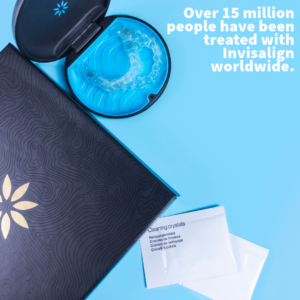
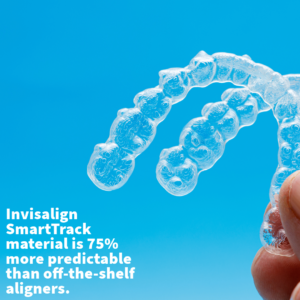
Invisalign is a revolutionary orthodontic treatment designed to straighten teeth without the need for traditional metal braces. Instead of brackets and wires, Invisalign uses a series of clear, custom-made aligners to gradually shift teeth into their desired position. These aligners are virtually invisible, making them a popular choice for adults and teens who want a discreet way to straighten their teeth.

What is Composite Bonding?

Composite bonding is a cosmetic dental procedure that involves applying a tooth-coloured resin to the surface of the teeth to correct imperfections such as chips, cracks, gaps, and uneven shapes. The resin is moulded to match the natural contours of your teeth, creating a seamless and beautiful finish. This procedure is quick, minimally invasive, and highly effective, offering immediate results.

The Power of Combining Invisalign and Composite Bonding

When combined, Invisalign and composite bonding can deliver a comprehensive smile makeover that addresses both functional and aesthetic concerns. Let’s explore how these two treatments complement each other and why they work so well together.

Composite Bonding

1. Achieving a Straighter Smile with Invisalign

Before diving into composite bonding, it’s important to address any alignment issues first. Invisalign gently moves your teeth into place, aligning them to create a smoother, more even smile. For many patients, this is the first step towards a flawless smile. By getting your teeth properly aligned, Invisalign ensures that your bite is balanced and your teeth are positioned for optimal appearance.

However, even with teeth in the perfect position, you may still have imperfections such as gaps, chips, or mis-shapen teeth. This is where composite bonding comes in.

2. Enhancing the Aesthetics with Composite Bonding

Once Invisalign has aligned your teeth, composite bonding can be used to fine-tune your smile. Whether it’s closing small gaps, smoothing out chips, or improving the overall shape of your teeth, composite bonding allows us to sculpt and perfect your smile. This step adds that final touch, giving you the confidence to smile freely without worrying about imperfections.

3. A Seamless, Natural-Looking Smile

One of the key benefits of both Invisalign and composite bonding is their ability to create a natural-looking smile. Invisalign aligners are clear and discreet, so they don’t draw attention to your treatment. Similarly, composite bonding uses a tooth-coloured resin that matches the natural shade of your teeth, ensuring that your smile looks both beautiful and authentic.

This combination is especially ideal for those who want a subtle and flawless smile makeover without the need for drastic procedures. You can enjoy a perfectly aligned, enhanced smile with minimal invasiveness and maximum results.

4. A Quicker Path to Your Dream Smile

While Invisalign can take several months to a couple of years to straighten your teeth, the results are often permanent. Composite bonding, on the other hand, provides immediate results. This means that while you are undergoing Invisalign treatment, you can also work on enhancing your smile with composite bonding for a quicker overall transformation. This combination allows you to enjoy the benefits of a perfect smile without having to wait for long periods.

5. Minimally Invasive and Comfortable

Both Invisalign and composite bonding are minimally invasive treatments. Invisalign aligners are comfortable to wear, and you can remove them when needed for eating and cleaning. Composite bonding is a simple, non-surgical procedure that doesn’t require any major adjustments to your teeth. It’s an ideal choice for those who want to improve their smile without undergoing lengthy or painful procedures.

composite bonding

Why Choose Irby Dental Practice?

At Irby Dental Practice, we understand that your smile is unique, and we want to help you achieve the best possible results. Our experienced team offers both Invisalign and composite bonding, ensuring that your treatment plan is tailored to your needs. Whether you’re looking to straighten your teeth or enhance your smile’s appearance, we are here to support you every step of the way. Our advanced technology and personalised care make us the ideal choice for your smile transformation journey.

Key Benefits of Combining Invisalign with Composite Bonding:

  • Improved Alignment: Straighten your teeth for a better bite and more even smile.
  • Enhanced Aesthetics: Fix imperfections like chips, gaps, and mis-shapen teeth with composite bonding.
  • Natural Look: Both treatments create a subtle, natural-looking smile.
  • Quick Results: While Invisalign works gradually, composite bonding provides immediate results.
  • Minimally Invasive: Both treatments are comfortable and non-surgical, with little recovery time.

Conclusion

Combining Invisalign with composite bonding is a fantastic way to achieve a beautiful, confident smile. Whether you’re looking to straighten your teeth or perfect their appearance, these two treatments work together to deliver outstanding results. At Irby Dental Practice, we are committed to helping you achieve the smile of your dreams. If you’re ready to start your smile transformation journey, don’t hesitate to reach out to us today for a consultation.

Are you ready for a smile makeover? Contact us today at Irby Dental Practice to learn more about how Invisalign and composite bonding can transform your smile. We’d love to help you achieve your dream smile!

Frequently Asked Questions

What is the difference between Invisalign and traditional braces?
Invisalign uses clear, custom-made aligners to straighten teeth, while traditional braces use metal brackets and wires. Invisalign is discreet and removable, offering a more comfortable and flexible treatment option.

How long does Invisalign treatment take?
Invisalign treatment typically lasts between 6 months to 2 years, depending on the complexity of your case. Your dentist will provide an estimated treatment timeline during your consultation.

Is composite bonding permanent?
Composite bonding can last several years with proper care. However, it may require touch-ups over time, especially if the bonding material becomes chipped or stained.

Can I combine Invisalign with other cosmetic dental treatments?
Yes! Many patients combine Invisalign with treatments like teeth whitening or porcelain veneers for a complete smile makeover. Your dentist will help you design a treatment plan that meets your goals.

How do I care for my Invisalign aligners?
To keep your aligners clean, brush them gently with a toothbrush and rinse them with lukewarm water. Avoid using hot water, as it can distort the aligners. Be sure to wear your aligners as directed by your dentist for the best results.

Enhancing Your Smile with Bioclear: A Minimally Invasive Approach

The Bioclear Method is a contemporary approach in cosmetic and restorative dentistry that offers a minimally invasive alternative to traditional treatments like veneers and crowns. This technique utilises a unique injection-moulding process with heated composite resin to enhance the aesthetics and function of teeth while preserving natural tooth structure.

Understanding the Bioclear Method

Unlike conventional methods that often require significant removal of tooth enamel, the Bioclear Method focuses on conserving as much of the natural tooth as possible. This preservation is achieved through the use of clear, anatomically shaped matrices that are placed around the teeth to create a mould. Heated composite resin is then injected into these matrices, allowing the material to flow seamlessly and adapt closely to the tooth’s contours. This results in a strong, monolithic restoration with smooth margins, reducing the likelihood of future chipping or staining.

bioclear

Why Choose Bioclear Over Traditional Methods?

When it comes to dental restorations, options like veneers and crowns are often considered the go-to solutions. However, Bioclear offers several advantages that make it an attractive alternative.

  1. Advantages Over Traditional Methods

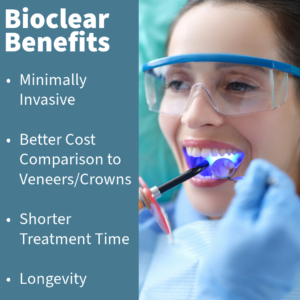
    • Minimally Invasive: Traditional crowns and veneers often necessitate the removal of a substantial portion of the tooth structure—up to 75% in some cases. In contrast, the Bioclear Method requires minimal to no tooth reduction, thereby maintaining the tooth’s integrity and decreasing the potential for future complications such as root canals or fractures.

    • Immediate Results: Many Bioclear procedures can be completed in a single visit, providing patients with instant improvements in their smile. This efficiency contrasts with traditional veneers, which typically involve multiple appointments and the use of temporary restorations.

    • Cost-Effective: While costs can vary, the Bioclear Method is generally more affordable than porcelain veneers and crowns. Additionally, if the restoration becomes damaged, it can often be repaired easily without the need for complete replacement, offering further cost savings over time.

    • Durability and Aesthetics: The monolithic nature of Bioclear restorations makes them three times stronger than traditional bonding methods. The use of high-quality composite materials allows for a natural-looking finish that closely mimics the appearance of real tooth enamel, resulting in a seamless and aesthetically pleasing smile.

Bioclear Benefits

The Procedure: Step-by-Step

The treatment is relatively straightforward and can usually be completed in a single visit to the dentist. Here’s a breakdown of what to expect during the procedure:

  1. The Bioclear Procedure: Step-by-Step

    1. Consultation and Assessment: The dentist evaluates the patient’s oral health and discusses aesthetic goals to determine if the Bioclear Method is appropriate.

    2. Preparation: A disclosing solution is applied to reveal any biofilm on the tooth surface, which is then gently removed using a fine aluminium trihydroxide powder. This cleaning ensures optimal adhesion of the composite material.

    3. Matrix Placement: A clear, anatomically shaped matrix, as thin as a human hair, is selected and positioned around the tooth, extending slightly below the gum line to create the desired form.

    4. Etching: An etching solution is applied to the tooth to open its pores, promoting a strong bond between the tooth and the composite resin.

    5. Composite Injection: Heated composite resin is injected into the matrix, allowing it to flow and adapt perfectly to the tooth’s shape. This injection-moulding technique ensures a durable and aesthetically pleasing restoration.

    6. Finishing Touches: After the composite has set, the matrix is removed, and the restoration is shaped and polished to achieve a smooth, natural-looking finish.

Suitability of the Bioclear Method

The Bioclear Method is versatile and can address various dental concerns, including:

  • Black Triangles: Gaps between teeth, often resulting from gum recession or orthodontic treatments, can be effectively filled, enhancing the uniformity of the smile.

  • Chipped or Worn Teeth: Teeth that have suffered minor damage or wear can be restored to their original shape and function.
  • Gaps Between Teeth: Small spaces can be closed without the need for orthodontic appliances, improving both aesthetics and function.
  • Discoloured Teeth: The composite material can be colour-matched to existing teeth or used to cover discolourations, resulting in a brighter smile.

Bioclear

How to Care for Your Bioclear Smile

Taking care of your Bioclear restorations is simple and straightforward. The key is maintaining good oral hygiene and visiting your dentist for regular check-ups. Here are a few tips to help prolong the life of your Bioclear smile:

    • Regular Brushing and Flossing: Brush twice daily and floss once a day to keep the restorations and surrounding teeth clean.

    • Avoiding Hard or Sticky Foods: While durable, it’s advisable to avoid biting down on hard substances like ice or hard sweets to prevent potential damage.

    • Routine Dental Check-ups: Regular visits to the dentist will help monitor the condition of the restorations and address any issues promptly.

Longevity of Bioclear Restorations

With proper care, Bioclear restorations can last well beyond five to ten years. Their longevity depends on factors such as oral hygiene, dietary habits, and the individual’s bite. Unlike porcelain veneers, Bioclear restorations can often be repaired without the need for complete replacement, offering a practical advantage in maintaining a beautiful smile over time.

Conclusion

The Bioclear Method represents a significant advancement in dental restoration, providing a conservative, durable, and aesthetically pleasing solution for various dental concerns. By preserving natural tooth structure and offering immediate, cost-effective results, Bioclear is an excellent option for those seeking to enhance their smile without the invasiveness of traditional procedures.

If you’re considering cosmetic dental work, consult with a dentist trained in the Bioclear Method to determine if this innovative technique is the right choice for you. With minimal preparation and immediate results, Bioclear could be the ideal solution to achieve the smile you’ve always desired.

At Irby Dental Practice, we believe everyone deserves a smile they can be proud of. If you’re considering Bioclear or want to explore your cosmetic dental options get in touch with us today on 0151 648 1974 to book your consultation and take the first step towards a more confident you. We look forward to welcoming you!

Why Invisalign is the Top Choice for Modern Orthodontics

In the realm of orthodontics, Invisalign has emerged as a revolutionary option for those seeking a more discreet and comfortable solution to achieve a perfect smile. As we delve into why Invisalign is the top choice for modern orthodontics, you’ll discover how this innovative treatment aligns with contemporary needs and expectations. This article will explore the advantages of Invisalign, its effectiveness, and why it is becoming increasingly popular among patients and orthodontists alike.

What is Invisalign?

Invisalign

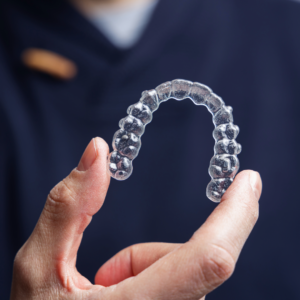
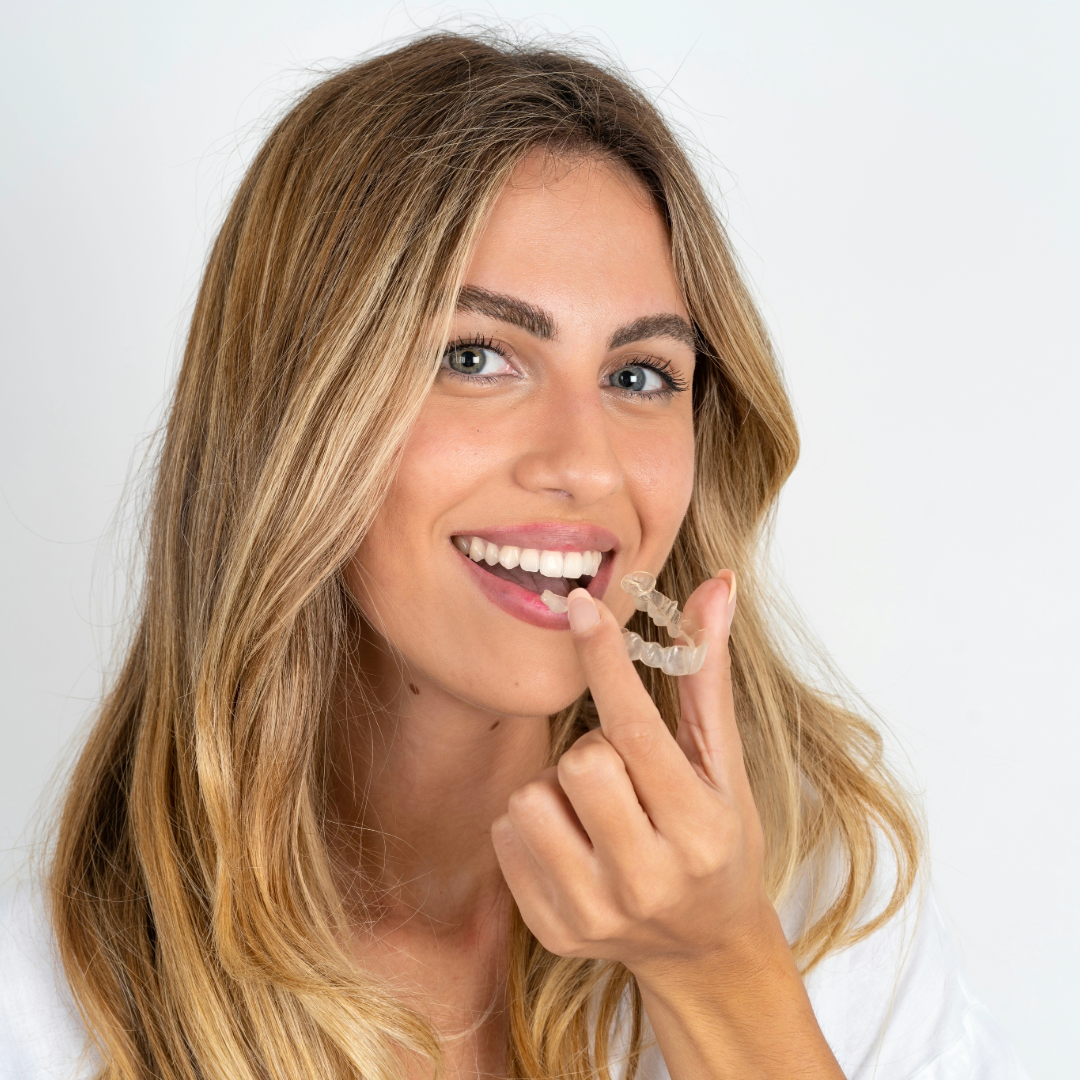
Invisalign is an advanced orthodontic treatment that uses a series of clear, custom-made aligners to gradually shift teeth into their desired positions. Unlike traditional metal braces, Invisalign aligners are virtually invisible, making them a preferred choice for individuals who value aesthetics and comfort. 

The Advantages of Invisalign

Discreet and Comfortable

One of the most significant benefits of Invisalign is its discreet nature. The clear aligners are barely noticeable, which means you can straighten your teeth without drawing attention to your orthodontic treatment. This is particularly appealing to adults and teenagers who may feel self-conscious about wearing traditional braces.

Comfort is another key factor. Invisalign aligners are made from smooth plastic, reducing the risk of irritation often associated with metal braces. The aligners are designed to fit snugly over your teeth, providing a comfortable and less invasive experience.

Customised Treatment

Invisalign treatment is highly personalised. Using advanced 3D imaging technology, orthodontists create a precise treatment plan that maps out the movement of your teeth. This customised approach ensures that each aligner is specifically designed to address your unique orthodontic needs.

Removable Aligners

Invisalign aligners are removable, which offers significant convenience compared to traditional braces. You can take them out while eating, drinking, or brushing your teeth. This means you can maintain your regular oral hygiene routine without any extra effort. It also allows you to enjoy a wider variety of foods without restrictions.

How Invisalign Works

Invisalign

The process begins with a consultation with an orthodontist, who will assess whether Invisalign is suitable for you. If you are a candidate, the next step involves taking detailed impressions of your teeth. These impressions are used to create a digital model, which helps in designing your custom aligners.

Once your aligners are ready, you will wear each set for about two weeks before moving on to the next set in the series. Regular check-ups with your orthodontist will ensure that your treatment is progressing as planned and make any necessary adjustments.

Why Choose Invisalign?

Invisalign

Aesthetic Appeal

Invisalign’s clear aligners are the most noticeable feature, offering a significant aesthetic advantage over traditional metal braces. For many people, the ability to straighten teeth without the appearance of metal brackets and wires is a crucial factor in their decision-making process.

Predictable Results

Invisalign treatment is known for its predictable results. The use of 3D technology allows orthodontists to visualise the final outcome before even starting the treatment. This level of predictability helps in setting expectations and ensures that the treatment plan is tailored to achieve the best results.

Minimal Disruption to Daily Life

Invisalign aligners are designed to fit seamlessly into your daily routine. Unlike metal braces, which may require adjustments to your diet and oral hygiene practices, Invisalign is minimally disruptive. You can remove the aligners when needed, allowing you to maintain your regular lifestyle with ease.

Invisalign vs. Traditional Braces

Braces

When comparing Invisalign to traditional braces, several key differences emerge. Traditional braces use metal brackets and wires, which can be more visible and may cause discomfort. They also require more frequent adjustments and can restrict certain foods.

In contrast, Invisalign aligners are made from smooth plastic and are less noticeable. They offer a more comfortable experience with fewer adjustments and no dietary restrictions. The removable nature of Invisalign aligners also adds to their convenience and ease of use.

The Cost of Invisalign

Cost of Invisalign

The cost of Invisalign treatment can vary depending on the complexity of the case and the length of treatment required. While it may be higher than traditional braces, many people find the investment worthwhile due to the benefits of comfort, aesthetics, and convenience.

Many dental practices offer financing options to make Invisalign more accessible. It’s a good idea to discuss payment plans with your orthodontist to find a solution that fits your budget.

Choosing the Right Orthodontist

Selecting an experienced orthodontist is crucial for the success of your Invisalign treatment. Look for a professional who is well-versed in Invisalign technology and has a track record of successful treatments. An experienced orthodontist will ensure that your treatment is tailored to your needs and that you achieve the best possible results.

Conclusion

Invisalign stands out as the top choice for modern orthodontics due to its aesthetic appeal, comfort, and effectiveness. It’s clear aligners offer a discreet solution for straightening teeth, while the customised treatment ensures that each patient receives personalised care. By choosing Invisalign, you are opting for a cutting-edge treatment that aligns with contemporary needs and preferences.

Whether you’re an adult seeking a more subtle orthodontic solution or a teenager wanting to avoid the look of traditional braces, Invisalign provides a sophisticated alternative. With its numerous advantages and proven results, it’s no wonder that Invisalign is becoming the preferred choice in the field of orthodontics.

If you’re considering orthodontic treatment, consult with a qualified orthodontist to determine if Invisalign is the right option for you. Embrace the opportunity to achieve a beautiful smile with the clarity and comfort that Invisalign offers.

At Irby Dental Practice, we are proud to offer Invisalign, the leading choice in modern orthodontics. Ready to achieve your perfect smile with clear, discreet aligners? Our experienced team is here to guide you through the process and provide personalised treatment tailored to your needs.

Contact us today to schedule your consultation and take the first step towards a confident smile.

Call Us:
0151 648 1974
07894 651 003

Visit Us:
67 Thingwall Road, Wirral, Merseyside, CH61 3UB

We look forward to welcoming you!

Book your dental appointment with Irby Dental Practice today to boost your confidence and smile.

LEARN MORE