
Managing Dental Anxiety: Calm, Comfortable Visits

For many people, visiting the dentist isn’t just another appointment—it can feel overwhelming. Whether it’s the sound of dental instruments, a previous experience, or simply fear of the unknown, dental anxiety is incredibly common.

In fact, a large number of adults in the UK avoid or delay treatment because of it. But avoiding the dentist often leads to more complex problems over time, making future visits even more daunting.

The good news is that modern dentistry has changed. Today, managing patient anxiety is a core part of what we do. In this guide, we’ll explore why dental anxiety happens, how it can affect your oral health, and—most importantly—what we can do together to make your visits feel calm, comfortable, and completely manageable.

What Is Dental Anxiety and Why Does It Happen?

Dental anxiety can range from mild unease to a more intense fear that prevents someone from attending appointments altogether.

There isn’t one single cause. For many patients, it’s a combination of factors, such as:

  • A difficult or painful past experience

  • Fear of discomfort or injections

  • Feeling a loss of control in the dental chair

  • Embarrassment about the condition of their teeth

  • Sensitivity to sounds, smells, or clinical environments

According to the NHS, dental anxiety is one of the most common reasons people avoid routine care—yet regular visits are key to preventing more serious issues.

How Dental Anxiety Can Impact Oral Health

It’s completely understandable to feel nervous, but delaying care can have a knock-on effect.

When appointments are postponed, small concerns—like early decay or mild gum irritation—can develop into more complex conditions. This may lead to more involved treatments, which can reinforce the cycle of anxiety.

Creating a Calmer Dental Experience

Managing anxiety isn’t about rushing you through an appointment—it’s about changing how the experience feels from the moment you walk in.

A Patient-First Approach

We take the time to listen. Understanding your concerns allows us to adapt the appointment to suit you, whether that means taking things more slowly or simply explaining each step before we begin.

Clear Communication

Not knowing what’s happening can heighten anxiety. We make sure you feel informed and in control at every stage, so there are no surprises.

A Comfortable Environment

Small details can make a big difference—calm surroundings, a friendly team, and a welcoming atmosphere all help ease tension before treatment even begins.

Techniques We Use to Help You Feel at Ease

There are several simple but effective ways we can help reduce anxiety during your visit.

1. Taking Things at Your Pace

There’s no need to rush. We can pause whenever you need, giving you time to feel comfortable and in control.

2. Agreed Stop Signals

Something as simple as raising your hand can signal that you’d like us to stop. Knowing you have that control can make a significant difference.

3. Gentle, Modern Techniques

Advances in dentistry mean treatments are far more comfortable than many people expect. We focus on gentle approaches designed to minimise discomfort.

4. Distraction and Relaxation

Listening to music or focusing on breathing techniques can help shift attention away from the procedure itself.

Guidance from the British Dental Association also highlights the importance of communication and trust in reducing dental anxiety.

dental anxiety

What You Can Do Before Your Appointment

Managing anxiety starts before you even arrive. A few small steps can make your visit feel much more manageable:

  • Book morning appointments to avoid building anticipation throughout the day

  • Let us know about your concerns in advance

  • Bring headphones or something comforting with you

  • Practise slow, steady breathing before and during your visit

Even acknowledging your nerves is a positive step—we’re here to support you, not judge.

Building Confidence Over Time

Overcoming dental anxiety doesn’t happen overnight, and that’s absolutely fine.

For many patients, it starts with a simple, pressure-free visit—just a conversation or a routine check-up. From there, confidence builds gradually with each positive experience.

Our goal isn’t just to treat your teeth—it’s to help you feel genuinely comfortable coming back.

Key Takeaways

If dental anxiety has been holding you back, here’s what to remember:

  • You’re not alone—dental anxiety is very common

  • Avoiding appointments can lead to more complex issues

  • Modern dentistry is far more comfortable than many expect

  • Open communication makes a significant difference

  • Small steps can help rebuild confidence over time

Conclusion

Dental anxiety is real, valid, and more common than many people realise. But it doesn’t have to stand in the way of a healthy smile.

With the right support, understanding, and approach, visiting the dentist can become a far more positive and manageable experience. We’re here to listen, adapt, and guide you at your own pace—without pressure or judgement.

Taking that first step might feel difficult, but it’s also the most important one.

If you’re feeling nervous about visiting the dentist, you’re not alone—and you don’t have to face it alone either.

📞 Contact Irby Dental Practice today to book a relaxed, no-pressure consultation and let us help you feel comfortable and confident about your dental care.
Dental Implants vs Dentures

If you’re exploring ways to replace missing teeth, you’ve likely come across two main options: dental implants and dentures. But how do we actually choose between them?

It’s not just about appearance—it’s about how your teeth feel, function, and fit into your daily life. Eating your favourite foods, speaking confidently, and maintaining your oral health all play a role in this decision.

In this guide, we’ll break down the real differences between dental implants and dentures—from comfort and maintenance to cost and lifestyle impact. By the end, you’ll have a clearer understanding of which option may suit you best.

What Are Dental Implants and Dentures?

Dental Implants

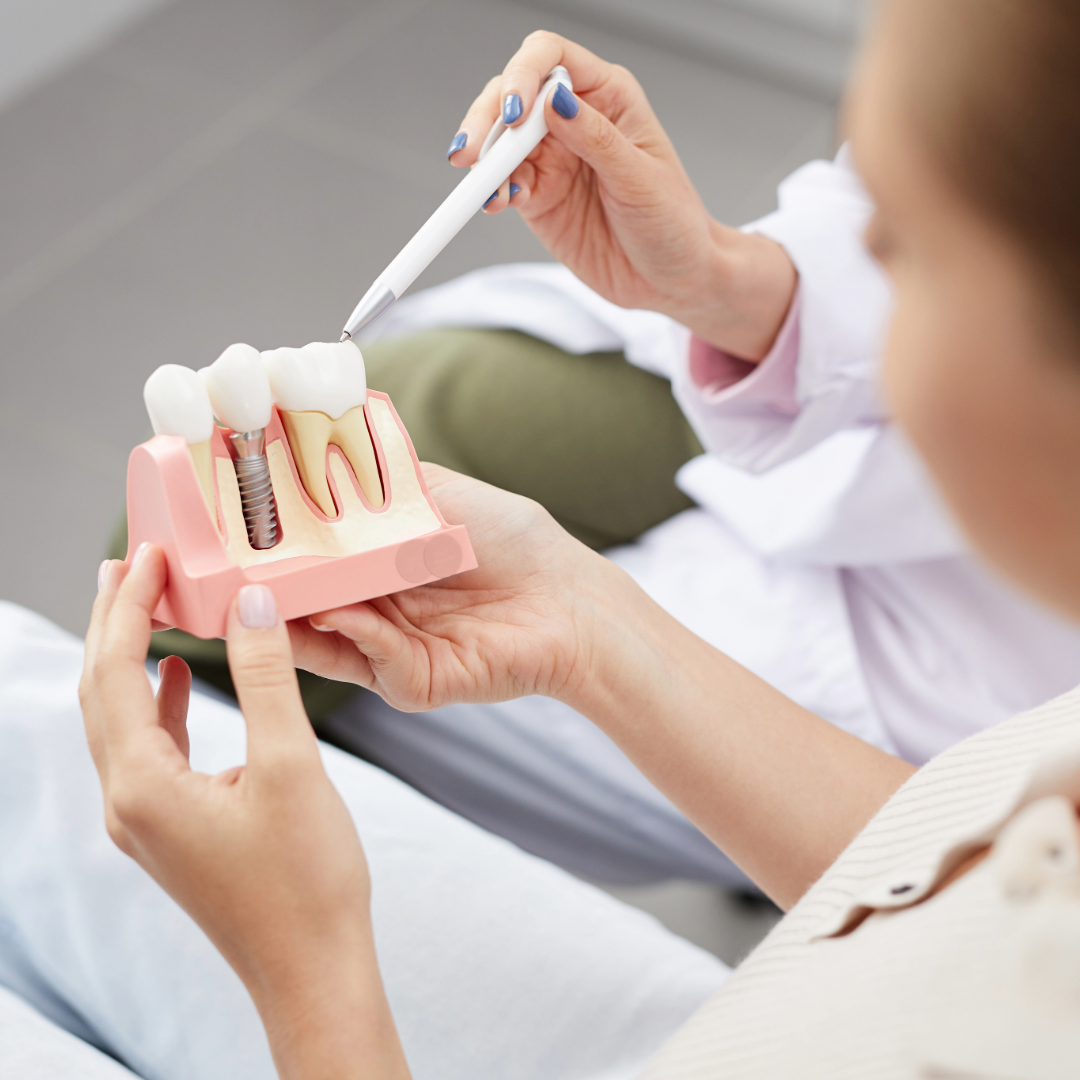
Dental implants are a fixed solution that replaces both the root and crown of a missing tooth. A titanium post is placed into the jawbone, creating a stable base for a natural-looking tooth.

Key points:

  • Permanent and non-removable

  • Designed to function like natural teeth

  • Supports long-term oral health

Dentures

Dentures are removable appliances that sit on top of your gums and replace multiple missing teeth.

Key points:

  • Removable and easy to take out

  • Available as partial or full sets

  • Faster solution for tooth replacement

dental implants vs dentures

How They Feel Day to Day

One of the biggest differences becomes clear in everyday life.

With dental implants, most patients tell us that after a short adjustment period, they stop thinking about them altogether. They don’t move, they don’t need to be removed, and they behave very much like natural teeth. Eating, speaking, and smiling all feel intuitive.

Dentures can take a little more getting used to. Because they sit on the gums rather than being fixed in place, there can be some movement—especially at the beginning. Over time, most patients adapt well, but it’s not uncommon to notice them when eating certain foods or speaking quickly.

That said, modern dentures are far more refined than they used to be, and when well-made, they can still offer a comfortable and natural-looking result.

Eating, Speaking, and Confidence

Food is often where the difference is most noticeable.

Dental implants allow you to bite and chew with confidence. Whether it’s a crisp apple or a steak, there’s very little you need to avoid. Because they’re anchored in the jaw, they provide a level of strength that closely mimics natural teeth.

With dentures, there may be a period of adjustment. Softer foods are usually recommended at first, and some patients choose to avoid particularly hard or sticky items long term. Speech can also take a little practice, though this typically improves quickly.

Confidence plays a big role here too. For many patients, knowing their teeth won’t shift or move gives them a greater sense of ease in social situations.

For trusted, general advice on maintaining oral health with either option, resources from the NHS can be helpful alongside regular dental visits.

Maintenance and Lifestyle

Another key difference lies in how each option fits into your daily routine.

Dental implants are cared for much like natural teeth. Brushing, flossing, and routine check-ups are usually all that’s required. There’s no need to remove them or use additional products, which makes them a convenient long-term solution.

Dentures require a more hands-on approach. They need to be removed and cleaned daily, and most patients soak them overnight. It’s a simple routine once you get used to it, but it does add an extra step to your day.

Guidance from organisations like the British Dental Association highlights the importance of proper denture hygiene to maintain both comfort and oral health.

What Happens Beneath the Surface

One of the less obvious—but important—differences is what’s happening beneath the gums.

Dental implants actively support the jawbone. Because they replace the root of the tooth, they help stimulate the bone and maintain its structure over time. This can play a role in preserving facial shape and preventing the “sunken” look sometimes associated with tooth loss.

Dentures don’t provide this same stimulation. Over time, the jawbone can naturally shrink, which may affect how dentures fit and feel. This is why adjustments or replacements are sometimes needed as the years go on.

The Treatment Journey

The process of getting implants versus dentures also differs.

Dental implants involve a more detailed treatment plan, including a minor surgical procedure and a healing period. While this takes longer, it allows for a highly tailored and stable result.

Dentures are typically quicker to provide and don’t require surgery, making them a suitable option for those who prefer a more immediate solution.

Neither approach is “better” universally—it simply depends on your preferences, health, and goals.

Conclusion

Choosing between dental implants and dentures is about more than replacing missing teeth—it’s about deciding how you want to live day to day.

Dental implants offer a seamless, natural experience that closely mirrors real teeth, while dentures provide a practical and effective solution that can be delivered more quickly and with less initial commitment.

The right option will always depend on your individual circumstances. That’s why we take the time to understand your needs, answer your questions, and guide you towards a solution that feels right for you.

If you’re considering dental implants vs dentures in Irby and want honest, tailored advice, we’re here to help.

📞 Contact Irby Dental Practice today to arrange your consultation and take the next step towards a confident, comfortable smile.

Book your dental appointment with Irby Dental Practice today to boost your confidence and smile.

LEARN MORE