Dental Implants: What to Expect from Consultation to Completion

Understanding Dental Implants

If you’re considering dental implants, you’re likely looking for a long-term solution to missing teeth. They have become one of the most reliable and natural-looking ways to restore a complete smile. Before diving into the process, it’s important to understand what to expect, from the initial consultation to the final result.

In this blog, we’ll guide you through each stage so you can feel fully prepared. Whether you’re looking to replace one tooth or several, the journey will be smoother with the right knowledge.
Dental Implants

Initial Consultation for Dental Implants

The journey begins with an initial consultation. During this appointment, your dentist will evaluate your oral health to determine whether you’re a suitable candidate for the procedure. This stage is crucial as the dentist will assess factors such as bone density and gum health, which are essential for successful implant placement.

What Happens During the Consultation?

  • X-rays and Scans: Your dentist will likely take X-rays or 3D scans to examine the bone structure of your jaw. These images will help to ensure that there’s enough bone to support the dental implants.
  • Discussion of Your Medical History: Your overall health plays a vital role in the success of dental implants. Conditions like diabetes or gum disease could affect healing, so your dentist will ask about your medical history.
  • Customised Treatment Plan: After assessing your oral health, the dentist will create a customised treatment plan. This plan will include the timeline for each stage of the procedure and what you can expect along the way.

 

Consultation for dental implants

Preparing for the Procedure

After your consultation, you might need some preparatory procedures. Not everyone will require these, but in some cases, they are necessary for the long-term success of dental implants.

Bone Grafting

For those with insufficient bone density, a bone graft may be needed before placing the dental implants. This process helps to create a solid foundation for the implant. While this may sound intimidating, it’s a common procedure, and healing usually takes a few months.

Tooth Extractions

If the tooth or teeth being replaced are still in place, the dentist will need to extract them. Depending on the situation, this can sometimes be done on the same day as implant placement, but more often, the gums need time to heal.

Day of procedure

The Day of the Dental Implant Surgery

Once any preparatory procedures are completed, you’ll move on to the main event: the placement of the dental implants. The process itself is straightforward, and thanks to modern dentistry, it is much less invasive than many people assume.

What to Expect During Surgery

  • Local Anaesthesia: Your dentist will apply a local anaesthetic to ensure you don’t feel any pain during the procedure. Sedation options are also available if you feel anxious.
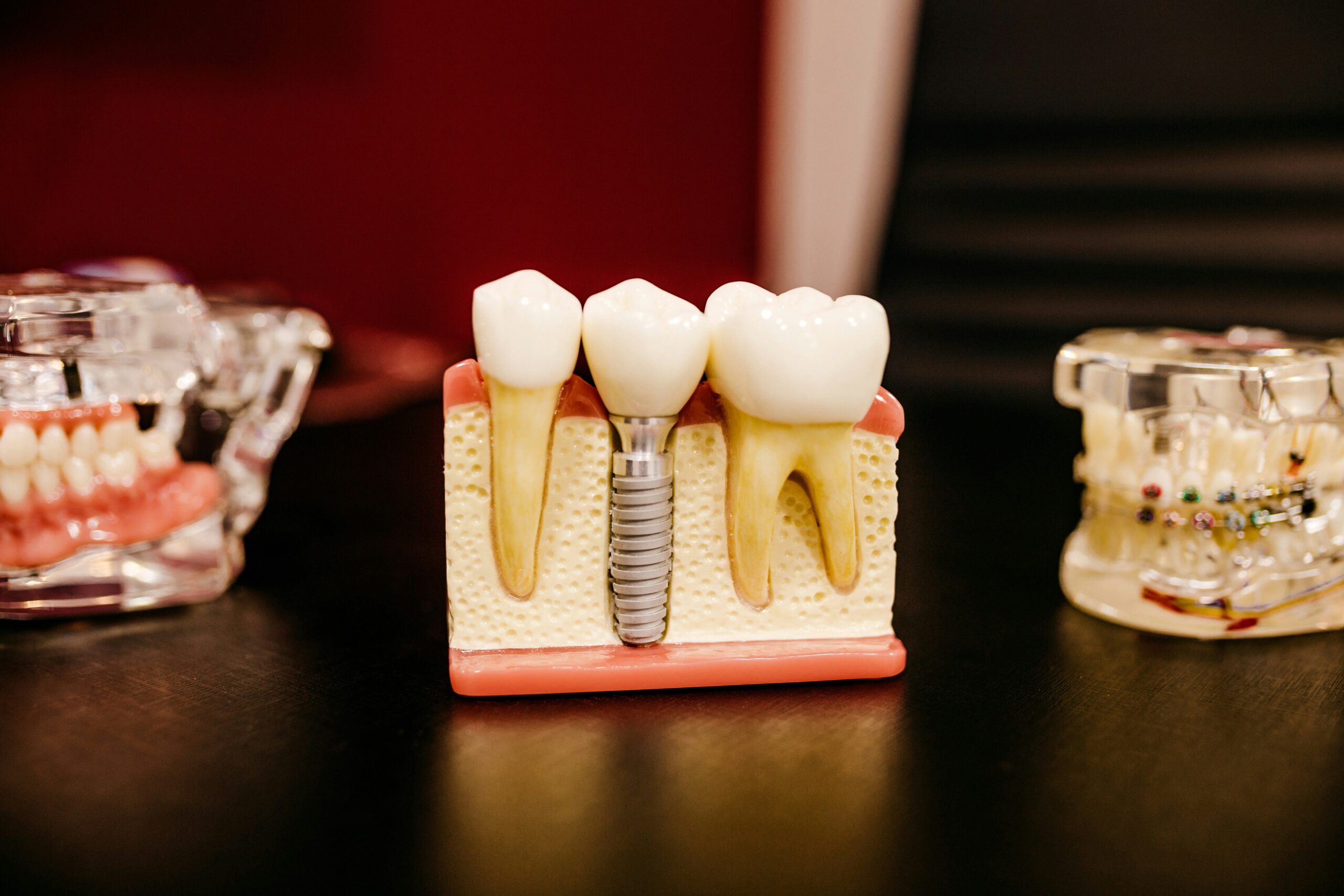
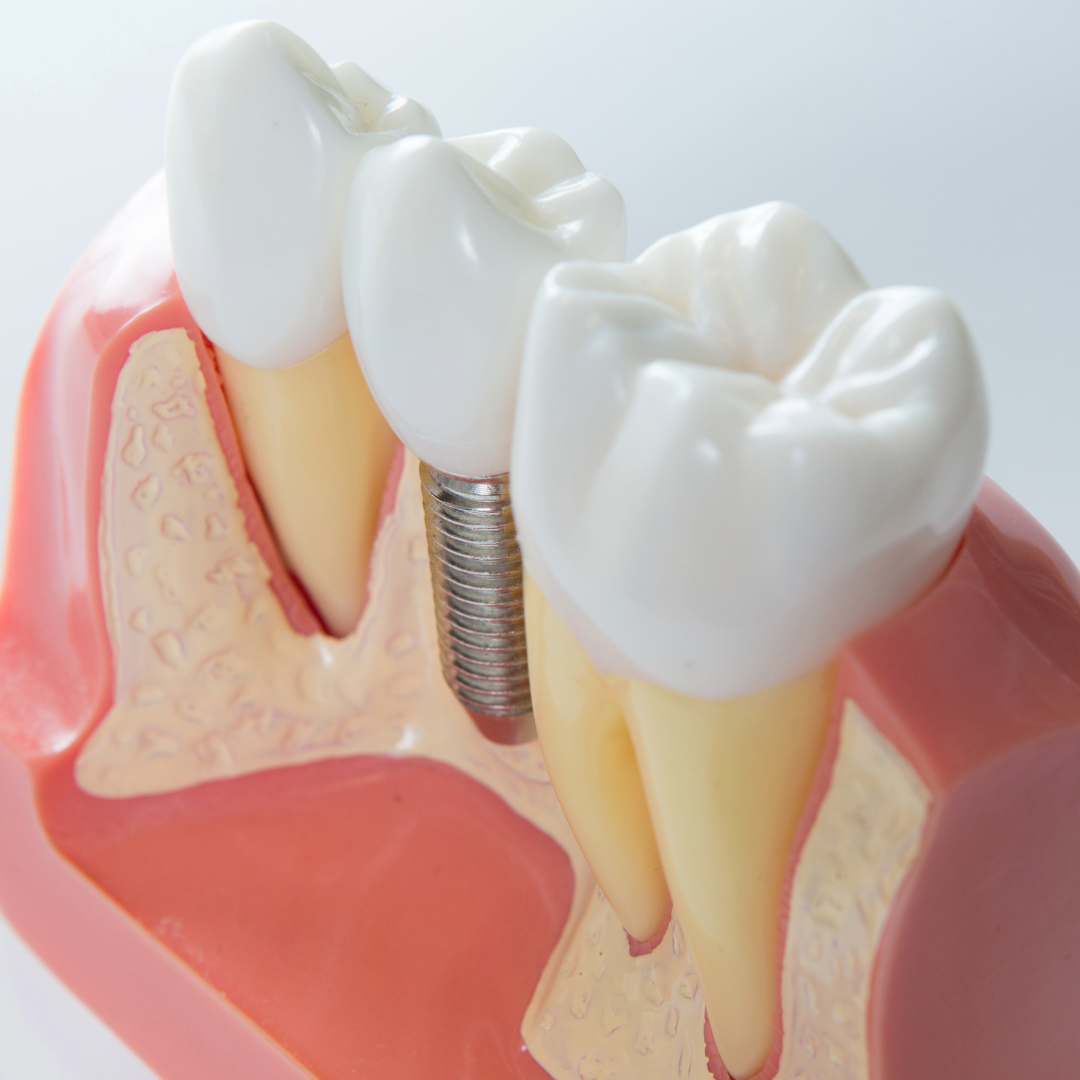
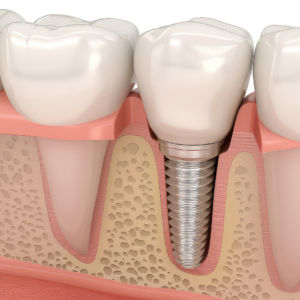
  • Placing the Implant: The dentist will insert a titanium post into your jawbone. This post acts as the root of your new tooth, providing stability for years to come.
  • Stitches: After the implant is in place, the dentist will close the gum tissue with stitches. These will usually dissolve on their own, but your dentist will give you aftercare instructions to follow.
 

Osseointegration

The Healing Process: Osseointegration

After the surgery, the healing process begins. This is a crucial phase, as the implant needs time to fuse with the jawbone in a process known as osseointegration. This stage can take several months, but it’s essential for the long-term success of your dental implants.

What is Osseointegration?

Osseointegration is the process where the bone grows around the implant, securing it in place. During this time, you may receive a temporary crown or bridge to maintain aesthetics. While this phase requires patience, it ensures the durability of your dental implants.


Dental Crowns

Placing the Abutment and Crown

Once osseointegration is complete, you’ll return to the dentist to have the abutment placed. The abutment is a small connector that attaches the implant to the crown.

Abutment Placement

The dentist will expose the top of the dental implants and attach the abutment. This procedure is quick, but it may require some local anaesthesia. Once the abutment is in place, your gums will need time to heal around it, typically taking two weeks.

Creating Your Custom Crown

While your gums heal, the dentist will work on creating your custom crown. This crown will be designed to match the size, shape, and colour of your natural teeth. When it’s ready, the dentist will attach it to the abutment, and your dental implants will be complete.

 

Dental Care

Post-Procedure Care and Maintenance

Once the crown is attached, your dental implants are fully functional, but the journey doesn’t end there. Caring for your implants is crucial to their longevity.

How to Care for Your Dental Implants

  • Good Oral Hygiene: Just like natural teeth, dental implants require regular brushing and flossing. Plaque and bacteria can still affect the surrounding gum tissue.
  • Regular Dental Check-ups: Schedule regular visits with your dentist to ensure that your dental implants remain in good condition. The dentist will check the implant and surrounding areas to ensure everything is healthy.
  • Avoid Hard Foods: While dental implants are strong, it’s still a good idea to avoid overly hard foods like ice or popcorn kernels, which can damage the crown.

Potential Risks and Complications

While the success rate of dental implants is high, as with any medical procedure, there are potential risks. The most common complications are infection at the implant site, damage to surrounding teeth, and issues with osseointegration.

How to Minimise Risks

The best way to minimise risks is by choosing a qualified dental professional and following all post-operative care instructions. Maintaining a healthy lifestyle, including good oral hygiene, will further ensure success.

The Benefits of Dental Implants

The time and investment required is well worth it when considering the numerous benefits. Not only do dental implants look and feel like natural teeth, but they also help to maintain the structure of your jawbone and prevent further tooth loss. With proper care, they can last a lifetime.

Why Choose Dental Implants?

  • Long-term Solution: Unlike dentures, which may need replacement or adjustments over time, dental implants are a long-term solution.
  • Natural Appearance: The custom-made crowns attached to dental implants blend seamlessly with your natural teeth.
  • Improved Confidence: With dental implants, you can eat, speak, and smile confidently without worrying about loose or uncomfortable dentures.

Conclusion: A Journey Worth Taking

Getting dental implants is a journey that requires time and patience, but the results are transformative. From the initial consultation to the final placement of your custom crown, each stage is carefully planned to ensure success.

With the proper care and attention, your dental implants will give you a confident smile that lasts a lifetime.

Visit Irby Dental Practice for Your Dental Implant Needs

At Irby Dental Practice, we provide expert care and personalised treatment plans. Our experienced team will guide you through every step of the process, from your initial consultation to the final result. Whether you’re replacing a single tooth or multiple, we’re committed to delivering high-quality care tailored to your needs.

Office Address
67 Thingwall Road, Wirral, Merseyside, CH61 3UB

Contact Us Today
Landline: 0151 648 1974
Mobile: 0789 465 1003

Call us now to schedule your consultation and take the first step towards restoring your smile.

Oral Cancer Awareness: What You Need to Know in 2024

Oral Cancer infographic

This staggering statistic underscores the importance of being informed about this potentially life-threatening condition.

Why Awareness Matters

Oral cancer, while often overshadowed by other forms of cancer, is a serious and potentially fatal disease. Early detection and awareness can significantly improve survival rates and outcomes. Being well-informed about the symptoms, risk factors, and prevention methods can help save lives.

In this blog, we will delve into what oral cancer is, current statistics and trends, risk factors, signs and symptoms, diagnosis methods, treatment options, prevention strategies, and available support resources. Our aim is to provide comprehensive information to help you stay informed and proactive about your oral health.

What is Oral Cancer?

Definition

Oral cancer refers to cancer that develops in any part of the mouth or oropharynx (the part of the throat at the back of the mouth). It can affect the lips, tongue, cheeks, floor of the mouth, hard and soft palate, sinuses, and pharynx.

Types of Oral Cancer

There are several types of oral cancer, including:

Squamous Cell Carcinoma: The most common type, accounting for about 90% of all oral cancers. It originates in the squamous cells that line the mouth and throat.

Salivary Gland Tumours: These are less common and can occur in the glands that produce saliva.

Other Types: Including lymphomas, melanomas, and sarcomas, which are rarer forms of oral cancer.

Current Statistics and Trends (2024)

Demographic Data

Oral cancer can affect anyone, but certain populations are more at risk. Men are twice as likely as women to develop oral cancer. The disease is more common in individuals over the age of 50, but rates are increasing among younger people due to changing lifestyle factors.

Recent Trends

Recent trends show a concerning increase in oral cancer cases among younger adults, particularly those in their 30s and 40s. This rise is partly attributed to the human papillomavirus (HPV), which is now a significant risk factor for oral cancers.

Risk Factors

Tobacco Use: Smoking and the use of smokeless tobacco products are the leading risk factors for oral cancer. Smokers are six times more likely to develop oral cancer than non-smokers. Chewing tobacco also increases the risk significantly.

Alcohol Consumption: Heavy alcohol consumption is another major risk factor. Alcohol can irritate the cells in the mouth, making them more susceptible to cancer. The risk is even higher for those who use both tobacco and alcohol.

Human Papillomavirus (HPV): HPV, particularly HPV-16, is a leading cause of oropharyngeal cancers. The virus is transmitted through intimate contact and can lead to cancer in the throat and mouth.

Diet and Nutrition: A diet low in fruits and vegetables can increase the risk of oral cancer. These foods contain essential vitamins and antioxidants that help protect against cancer.

Sun Exposure: Excessive sun exposure can increase the risk of lip cancer. Protecting your lips with a high-SPF lip balm and avoiding excessive sun exposure can help reduce this risk.

Signs and Symptoms

Symptoms to look out for oral cancer infographic

Early Signs

Early detection is crucial for successful treatment. Some early signs of oral cancer include:

– Mouth sores that do not heal

– Persistent mouth pain

– Lumps or thickening in the cheek

– White or red patches on the gums, tongue, tonsils, or lining of the mouth

Advanced Symptoms

As the disease progresses, symptoms may become more severe, such as:

– Difficulty swallowing or chewing

– Persistent sore throat

– Hoarseness or voice changes

– Unexplained weight loss

– Numbness in the mouth or tongue

Visual and Physical Indicators

Regular self-examinations can help detect early signs of oral cancer. Look for any abnormal changes in the mouth, such as sores, lumps, or discoloured patches. If you notice anything unusual, schedule a visit with your dentist promptly.

Diagnosis

Self-Examination Tips

Performing regular self-examinations can help you spot early signs of oral cancer. Here’s how:

– Check Your Lips and Face: Look for any sores, lumps, or changes in colour.

– Examine Your Gums: Pull your lips away from your teeth and check your gums for any abnormalities.

– Look Inside Your Mouth: Use a mirror to inspect the inside of your cheeks, the roof of your mouth, and your tongue.

Feel Your Neck: Gently palpate your neck for any lumps or enlarged lymph nodes.

Professional Screening

Regular dental check-ups are essential for early detection of oral cancer. Dentists can perform thorough examinations and screenings to identify any signs of the disease. It is recommended to visit your dentist at least twice a year.

Diagnostic Procedures

If your dentist suspects oral cancer, they may recommend further diagnostic tests, such as:

– Biopsy: Removing a small sample of tissue for examination under a microscope.

– Imaging Tests: X-rays, CT scans, MRI, or PET scans to determine the extent of the cancer.

Treatment Options

Surgery

Surgery is often the first line of treatment for oral cancer. It involves removing the tumour and, in some cases, surrounding tissue or lymph nodes. The type of surgery depends on the size and location of the tumour.

Radiation Therapy

Radiation therapy uses high-energy beams to kill cancer cells. It can be used alone or in combination with surgery and chemotherapy. This treatment is often recommended for cancers that have not spread extensively.

Chemotherapy

Chemotherapy involves the use of drugs to destroy cancer cells. It is often used in combination with radiation therapy and surgery, especially for advanced stages of oral cancer.

Targeted Therapy and Immunotherapy

Newer treatments, such as targeted therapy and immunotherapy, offer promising options for oral cancer patients. Targeted therapy uses drugs to target specific molecules involved in cancer growth, while immunotherapy boosts the body’s immune system to fight cancer.

Prevention and Early Detection

Lifestyle Changes

Making healthy lifestyle choices can significantly reduce your risk of oral cancer. Here are some tips:

– Quit Smoking: Seek help to stop smoking or using tobacco products.

– Moderate Alcohol Consumption: Limit your alcohol intake.

– Healthy Diet: Eat a balanced diet rich in fruits and vegetables.

– Sun Protection: Use a high-SPF lip balm and avoid excessive sun exposure.

Regular Check-Ups

Regular dental check-ups are crucial for early detection of oral cancer. Dentists can perform thorough examinations and identify any signs of the disease early, improving the chances of successful treatment.

HPV Vaccination

The HPV vaccine is an effective way to reduce the risk of HPV-related oral cancers. It is recommended for both boys and girls starting at age 11 or 12, but can also be given to young adults.

Support and Resources

Support Groups

Dealing with oral cancer can be challenging, both physically and emotionally. Support groups provide a safe space for patients and their families to share experiences and receive emotional support. Many organisations offer both in-person and online support groups.

Educational Resources

There are numerous reputable organisations and websites that provide valuable information on oral cancer. Some of these include:

Oral Cancer Foundation: oralcancerfoundation.org

Cancer Research UK: cancerresearchuk.org

American Cancer Society: cancer.org

Conclusion

Oral cancer is a serious disease that requires awareness and proactive measures for prevention and early detection. Understanding the risk factors, recognising the signs and symptoms, and knowing the available treatment options are crucial steps in combating this disease.

We encourage you to share this information with your friends and family, get screened regularly, and support oral cancer awareness campaigns. Early detection can save lives, and spreading awareness is the first step towards a healthier future.

Oral cancer may be a daunting subject, but with knowledge and vigilance, we can make significant strides in reducing its impact. By taking care of our oral health and staying informed, we can contribute to a future where oral cancer is detected early and treated effectively.

Everything You Need to Know Before a Root Canal

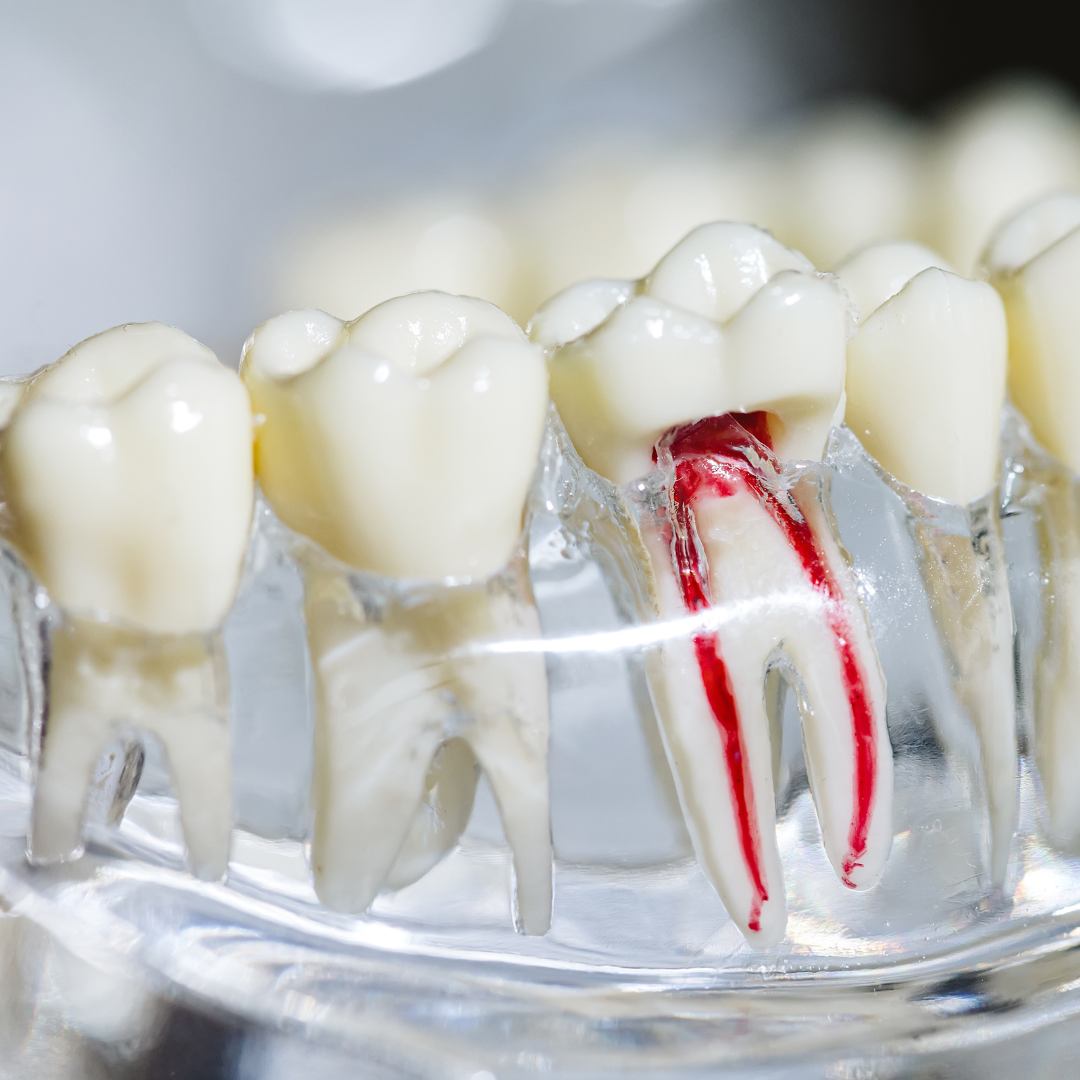
Root Canal Xray

Welcome to Irby Dental Practice. If you’re reading this, you might be feeling a bit anxious about an upcoming root canal procedure. Rest assured, our goal is to provide you with all the information you need to feel confident and calm. In this guide, we’ll explain what a root canal is, why it’s necessary, what the procedure involves, and how to take care of yourself afterward.

What is a Root Canal?

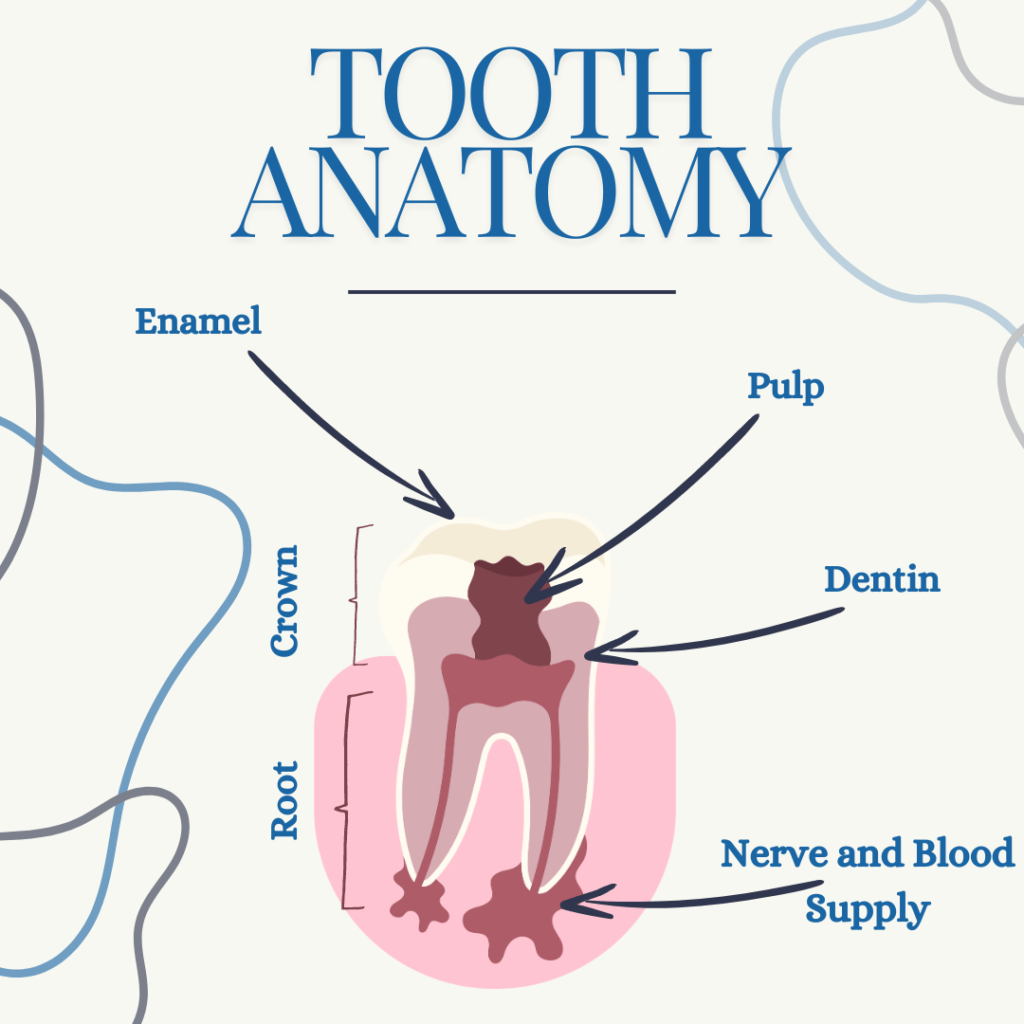
A root canal is a dental procedure designed to treat infection at the centre of a tooth, known as the pulp. This treatment is often necessary when the pulp becomes inflamed or infected due to deep decay, repeated dental procedures, faulty crowns, or a crack or chip in the tooth. Understanding the anatomy of a tooth can help clarify why this procedure is essential.

Anatomy of a Tooth

Tooth anatomy
The tooth consists of several layers:

Enamel: The hard, outer surface of the tooth.

Dentin: The layer beneath the enamel.

Pulp: The soft tissue inside the tooth that contains nerves and blood vessels.

Root Canals: The parts of the pulp that extend into the roots of the tooth.

When the pulp is damaged, it can lead to severe pain or an abscess. A root canal procedure removes the infected pulp, cleans and shapes the inside of the tooth, and seals it to prevent further infection.

Reasons for Needing a Root Canal

Understanding why a root canal might be necessary can help alleviate some concerns. Here are common reasons for needing this procedure:

Common Causes

Several factors can lead to the need for a root canal, including:

Deep Decay: Untreated cavities that reach the pulp.

Repeated Dental Procedures: Multiple treatments on the same tooth.

Faulty Crowns: Poorly fitted crowns that allow bacteria to enter the tooth.

Cracks and Chips: Damage to the tooth that exposes the pulp to bacteria.

Symptoms Indicating a Root Canal May Be Needed

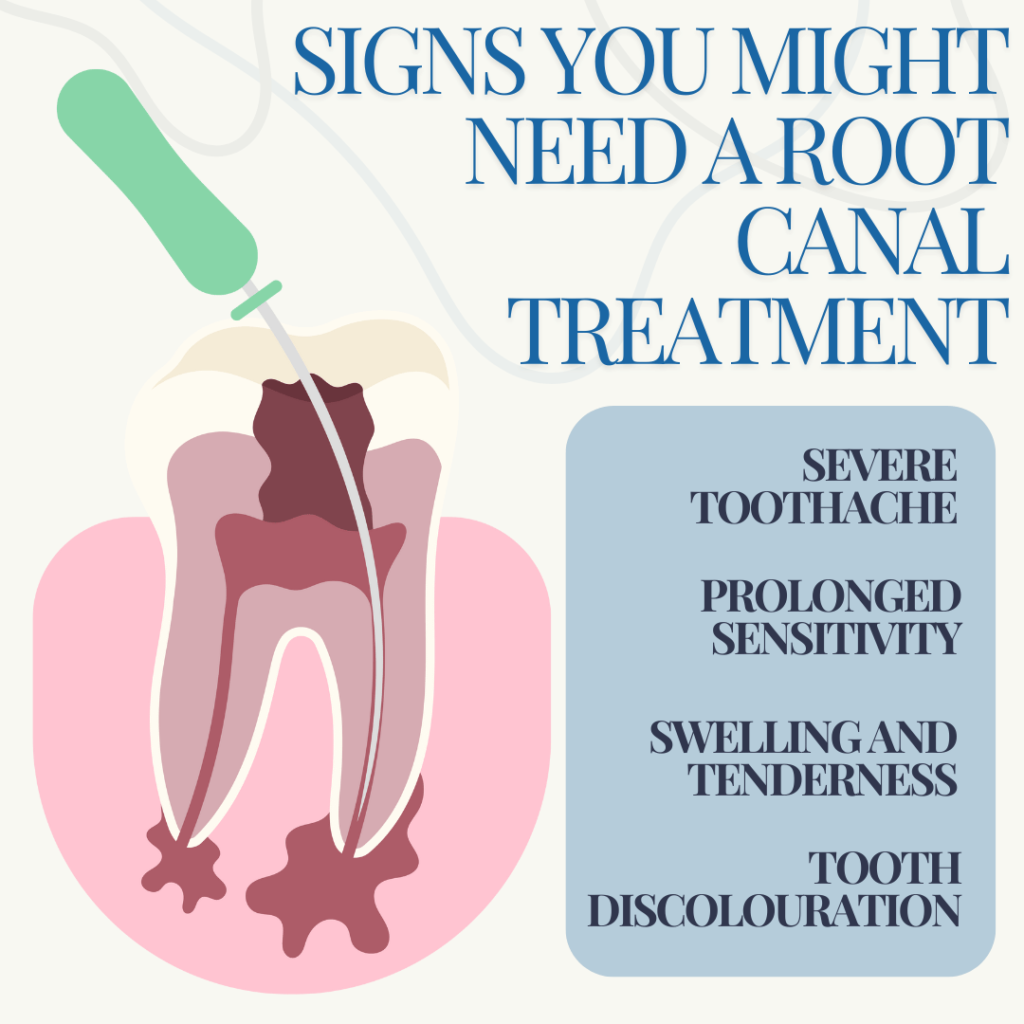
Signs you need root canal treatment

Symptoms that may indicate the need for a root canal include:

Severe Toothache: Persistent pain, especially when chewing or applying pressure.

Prolonged Sensitivity: Lingering sensitivity to hot or cold temperatures.

Tooth Discolouration: Darkening of the tooth, often due to internal damage.

Swelling and Tenderness: In the nearby gums, sometimes accompanied by a recurring pimple on the gums.

The Root Canal Procedure

Understanding the steps involved in a root canal can help you feel more at ease. Here’s what you can expect:

Preparation for the Procedure

Initial Consultation and Examination

Your dentist will review your medical history and conduct a thorough examination of your teeth. X-rays will be taken to assess the extent of the damage and to plan the procedure.

X-Rays and Their Importance

X-rays help the dentist see the shape of the root canals and determine if there are any signs of infection in the surrounding bone.

Pre-Procedure Instructions

Your dentist will provide specific instructions, such as eating before the procedure if you’ll be receiving anaesthesia, and taking any prescribed medications.

Step-by-Step Process

Administering Local Anaesthesia

To ensure you’re comfortable and pain-free during the procedure, your dentist will administer local anaesthesia to numb the affected tooth and surrounding area.

Isolation of the Tooth Using a Dental Dam

A small rubber sheet, known as a dental dam, is placed around the tooth to keep it clean and dry during the procedure.

Accessing the Pulp Chamber and Cleaning the Root Canals

An opening is made in the crown of the tooth to access the pulp chamber. The dentist then uses small instruments to remove the infected or inflamed pulp.

Shaping the Canals and Disinfecting the Area

The root canals are cleaned, shaped, and disinfected to remove any remaining bacteria and prevent future infection.

Filling and Sealing the Canals

The cleaned and shaped canals are filled with a biocompatible material called gutta-percha. This is sealed with an adhesive cement to ensure a complete seal.

Temporary or Permanent Filling Placement

A temporary filling is placed to close the opening until a permanent restoration (like a crown) is placed.

Duration of the Procedure

The duration of the procedure varies but typically:

Typical Time Frame

Most root canal procedures can be completed in one to two visits, each lasting about 90 minutes.

Factors Influencing Duration

The complexity of the root canal system, the severity of the infection, and whether additional treatments are needed.

Aftercare and Recovery

Proper aftercare is crucial for a smooth recovery and the long-term success of your root canal.

Post-Procedure Expectations

After the procedure:

Immediate Effects of the Anaesthesia Wearing Off

Once the anaesthesia wears off, you may experience some tenderness and mild pain in the treated area.

Common Post-Procedure Sensations

It’s normal to feel some sensitivity or discomfort for a few days after the procedure. This can usually be managed with over-the-counter pain relievers.

Dos and Don’ts After a Root Canal

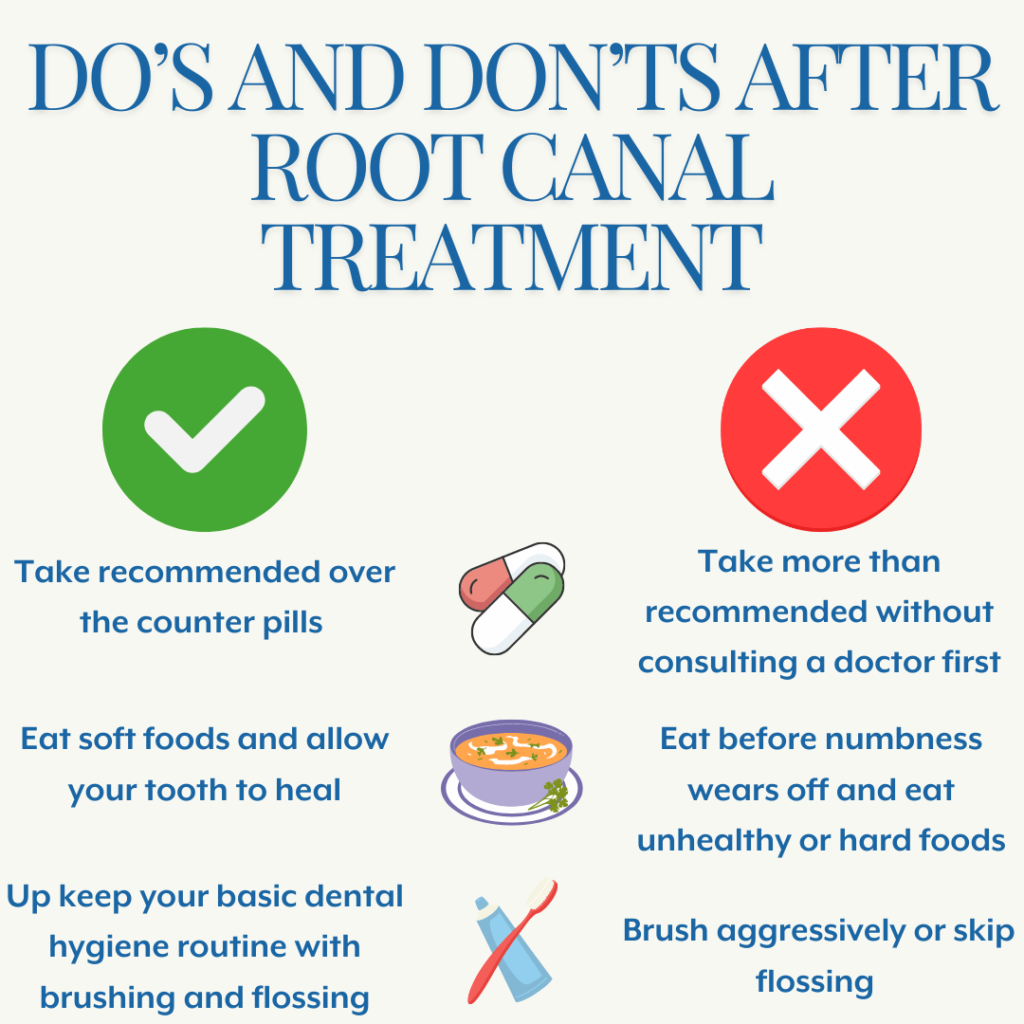
Do's and Don'ts after root canal

Following these guidelines can aid in recovery:

Recommended Pain Relief Methods

Take any prescribed medications as directed and use over-the-counter pain relievers like ibuprofen or acetaminophen to manage discomfort.

Eating and Drinking Guidelines

Avoid eating until the numbness wears off to prevent biting your cheek or tongue. Stick to soft foods and avoid chewing on the treated tooth until it’s fully restored with a crown.

Importance of Maintaining Oral Hygiene

Continue to brush and floss regularly to keep your mouth clean and prevent further infection.

Follow-Up Care

Importance of Follow-Up Appointments

Follow-up visits are essential to ensure the tooth is healing properly and to complete the restoration process.

Possible Need for a Crown or Other Restorative Treatment

Your dentist will likely recommend placing a crown on the treated tooth to protect it and restore its function.

Long-Term Care for the Treated Tooth

With proper care, a tooth that has undergone a root canal can last a lifetime. Regular dental check-ups and good oral hygiene are key.

Addressing Common Concerns

It’s natural to have concerns about a root canal. Here, we address some of the most common ones:

Pain Management

Modern Advancements in Pain Relief

Thanks to advancements in dental technology and anaesthesia, root canals today are no more uncomfortable than getting a filling.

Comparison to Other Dental Treatments

Many patients report that a root canal is less painful than they expected, often comparing it to getting a routine filling.

Effectiveness and Longevity

Success Rates of Root Canals

Root canals have a high success rate, with many treated teeth lasting a lifetime with proper care.

Longevity of the Treated Tooth

A tooth that has undergone a root canal and is properly restored can remain healthy and functional for many years.

Risks and Complications

Potential Risks

While complications are rare, they can include infection, damage to surrounding teeth or tissues, or a failure to fully remove all infected tissue.

Mitigation of Risks by the Dentist

Choosing a skilled and experienced dentist, like those at Irby Dental Practice, greatly reduces these risks.

Tips for Reducing Anxiety

Feeling nervous about a root canal is normal. Here are some tips to help ease your anxiety:

Choosing the Right Dentist

Importance of a Skilled and Experienced Endodontist

A qualified endodontist has the specialised training to perform root canals efficiently and effectively.

Questions to Ask Your Dentist

Ask about their experience, the technology they use, and what you can expect during and after the procedure.

Mental Preparation

Techniques for Relaxation and Stress Reduction

Practice deep breathing, visualisation, or listen to calming music before and during the appointment.

Bringing a Friend or Family Member for Support

    • Having a trusted person with you can provide emotional support and help you feel more at ease.

Educational Resources

Trusted Sources for Additional Information

Look for information from reputable dental associations or organisations, such as the British Dental Association.

Benefits of Watching Educational Videos or Reading Patient Testimonials

Learning about others’ positive experiences can help reassure you about the procedure.

Conclusion

At Irby Dental Practice, we are committed to ensuring your comfort and confidence when undergoing a root canal. The procedure is a highly effective way to save a damaged tooth and alleviate pain. By understanding the process, preparing adequately, and following aftercare instructions, you can ensure a smooth recovery and long-term dental health.

Additional Resources

For further information and support, consider these resources:

Links to Professional Dental Associations

British Dental Association: bda.org

Contact Information for Local Endodontists

Irby Dental Practice: Contact us at 01516481974/
07894651003.

Patient Support Groups and Forums

Online communities where you can share experiences and gain support from others who have undergone root canals. Reddit and Quora are good chat platforms where people share their experiences.

    •  

We hope this guide has provided you with the information you need to feel more confident and less anxious about your root canal procedure. Remember, our team at Irby Dental Practice is here to support you every step of the way.

Preventing Decay – Daily Dental Guide

sensitive tooth because of tooth decay

Maintaining excellent dental health is essential for overall well-being. At Irby Dental Practice, we believe that preventing decay is the cornerstone of a healthy smile. This comprehensive guide explores the causes of tooth decay and provides practical daily tips to keep your teeth strong and healthy. By following these guidelines, you can protect your teeth from decay and maintain a bright, healthy smile.

Understanding Tooth Decay

What is Tooth Decay?

Tooth decay is a process that begins when bacteria in your mouth produce acids that erode the enamel of your teeth. This can lead to cavities, pain, and even tooth loss if not addressed promptly. Understanding how decay develops is the first step in preventing it.

Causes and Contributing Factors

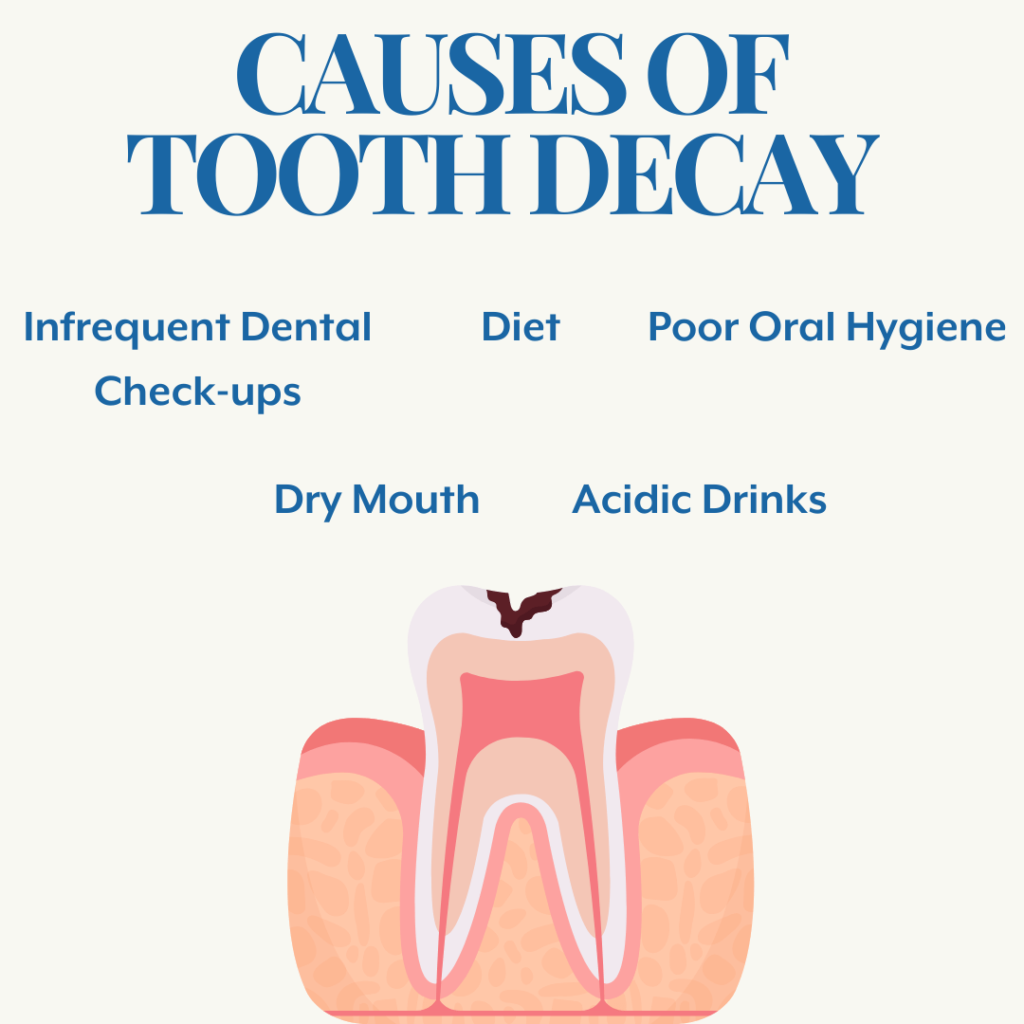
causes of tooth decay

Several factors contribute to tooth decay, including:

  • Poor Oral Hygiene: Inadequate brushing and flossing allow plaque to build up and acids to damage your teeth.
  • Diet: Consuming foods and drinks high in sugar and starch feeds the bacteria that cause decay.
  • Dry Mouth: A lack of saliva reduces the mouth’s ability to neutralise acids and repair early decay.
  • Acidic Drinks: Frequent consumption of acidic beverages like soda and fruit juice can erode tooth enamel.
  • Infrequent Dental Check-ups: Regular visits to your dentist can catch decay early and prevent more serious issues.

The Impact of Tooth Decay on Overall Health

Tooth decay isn’t just a dental problem; it can affect your entire body. Infections can spread, leading to more severe health issues such as heart disease, diabetes, and respiratory problems. Moreover, untreated decay can lead to pain, difficulty eating, and a decrease in quality of life. This makes preventing decay crucial for maintaining overall health and well-being.

Daily Oral Hygiene Practices

Proper Brushing Techniques

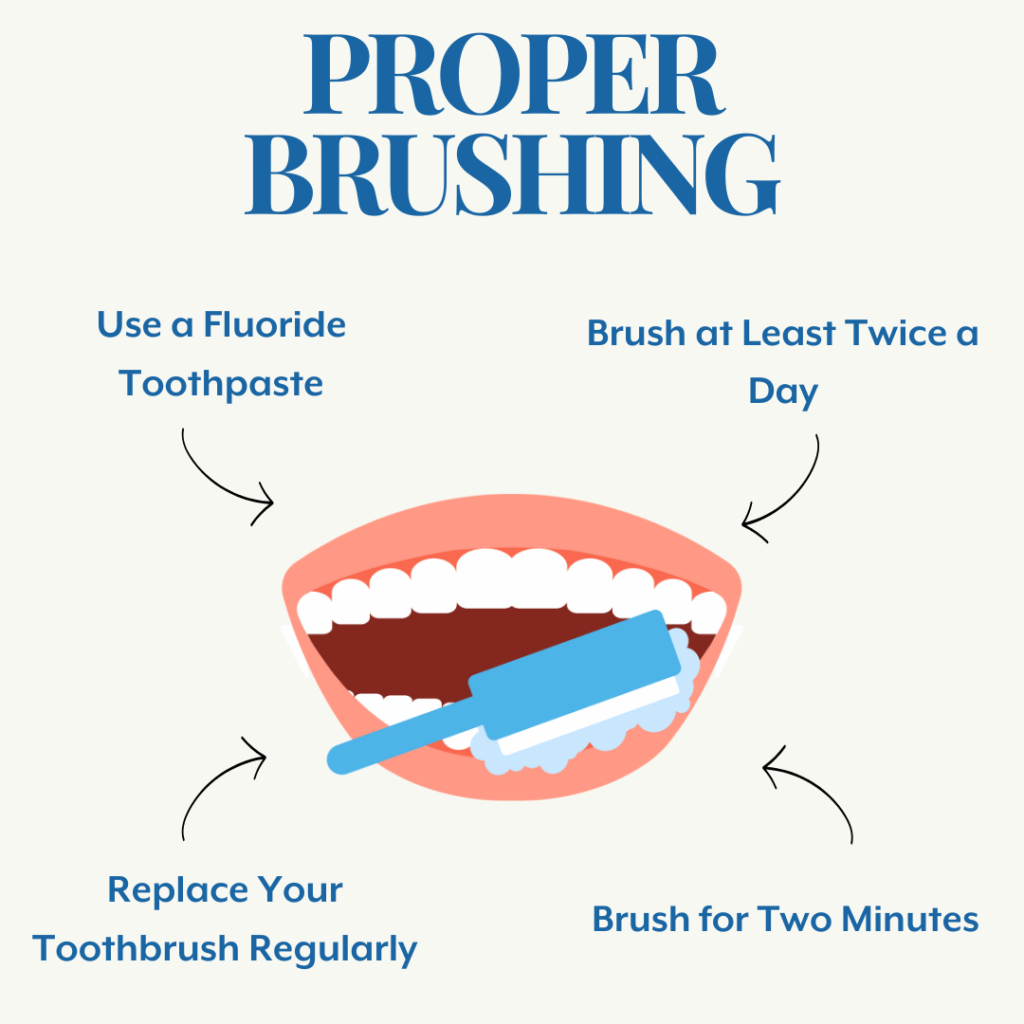
Brushing your teeth correctly is the first line of defence against decay. Here’s how to brush effectively:

  • Use a Fluoride Toothpaste: Fluoride helps to strengthen enamel and prevent decay.
  • Brush at Least Twice a Day: Ideally, brush after every meal, but at minimum, brush in the morning and before bed.
  • Use a Soft-Bristled Brush: Hard bristles can damage gums and enamel.
  • Brush for Two Minutes: Make sure to cover all surfaces of your teeth, including the front, back, and chewing surfaces.
  • Replace Your Toothbrush Regularly: Every three months or sooner if the bristles are frayed.

The Importance of Flossing

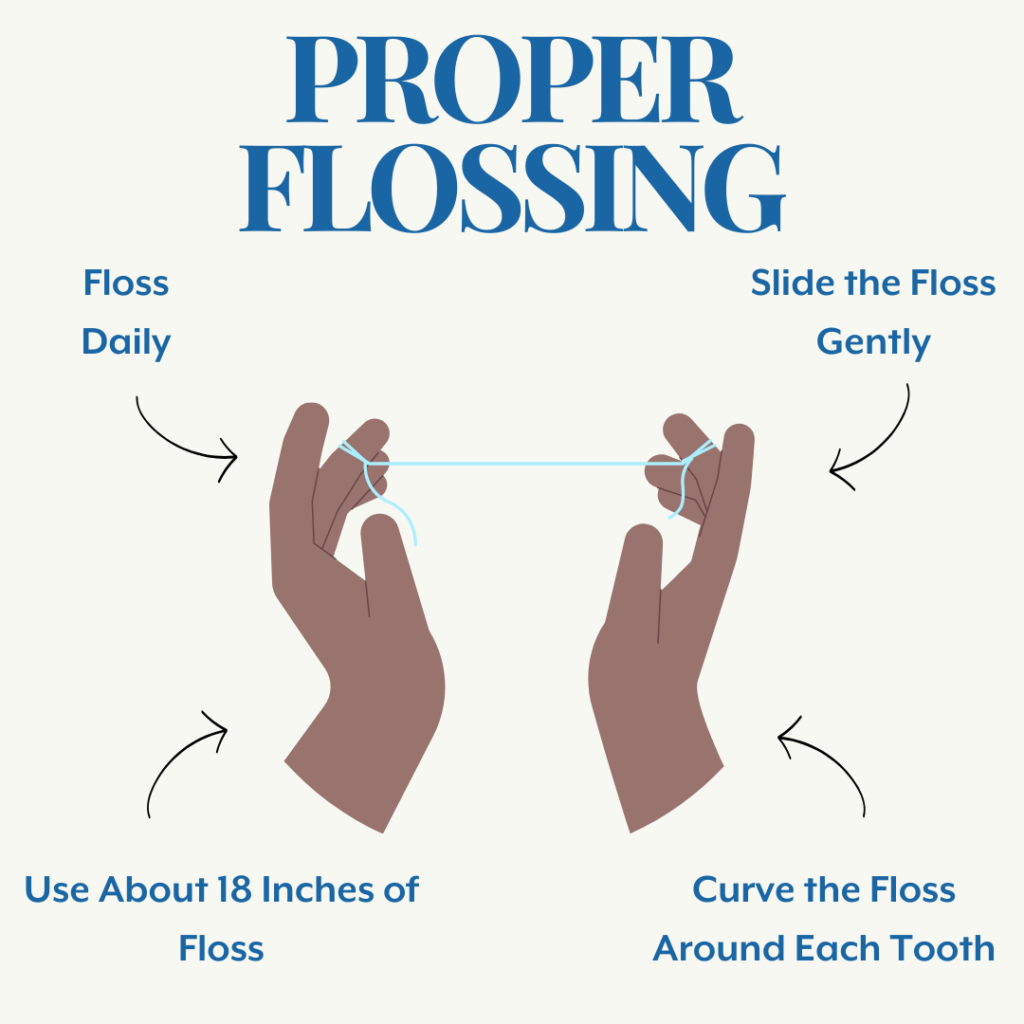
Proper flossing methods to prevent tooth decay

Flossing removes food particles and plaque from between your teeth and under the gumline, where a toothbrush can’t reach. To floss effectively:

  • Use About 18 Inches of Floss: Wrap the ends around your fingers and hold it taut.
  • Slide the Floss Gently: Avoid snapping it into your gums.
  • Curve the Floss Around Each Tooth: Make sure to go beneath the gumline.
  • Floss Daily: Once a day, preferably before bedtime.

The Role of Mouthwash

Using an antibacterial mouthwash can help reduce plaque and prevent decay. For best results:

  • Choose a Mouthwash with Fluoride: This helps to strengthen teeth and prevent decay.
  • Rinse for 30 Seconds: Follow the instructions on the bottle.
  • Use After Brushing and Flossing: To help reach areas you might have missed.

Diet and Nutrition

Foods and Drinks That Contribute to Tooth Decay

Certain foods and drinks are more likely to cause decay. Limit your intake of:

  • Sugary Snacks and Sweets: Bacteria in your mouth feed on sugar, producing acids that erode enamel.
  • Starchy Foods: Chips, bread, and pasta can break down into sugars and contribute to decay.
  • Acidic Beverages: Sodas, fruit juices, and sports drinks can erode enamel and increase the risk of decay.

Healthy Dietary Choices for Dental Health

A balanced diet can promote dental health and help prevent decay. Consider incorporating the following:

  • Fresh Fruits and Vegetables: High in water and fibre, they stimulate saliva production, which helps to neutralise acids.
  • Dairy Products: Milk, cheese, and yoghurt are rich in calcium and phosphates, which help to strengthen teeth.
  • Nuts and Seeds: These contain important nutrients that support dental health and help to clean teeth.

Tips for Reducing Sugar Intake

Reducing sugar is vital for preventing decay. Try these tips:

  • Opt for Sugar-Free Snacks: Choose healthier alternatives like fruits, nuts, and vegetables.
  • Drink Water: Replace sugary and acidic drinks with water to help rinse away food particles and neutralise acids.
  • Read Food Labels: Check for hidden sugars in processed foods and drinks.

Regular Dental Check-ups

Importance of Routine Dental Visits

Regular check-ups at Irby Dental Practice are essential for early detection and prevention of decay. During your visits, our professionals can identify issues before they become serious problems, ensuring your teeth remain healthy.

What to Expect During a Dental Check-up

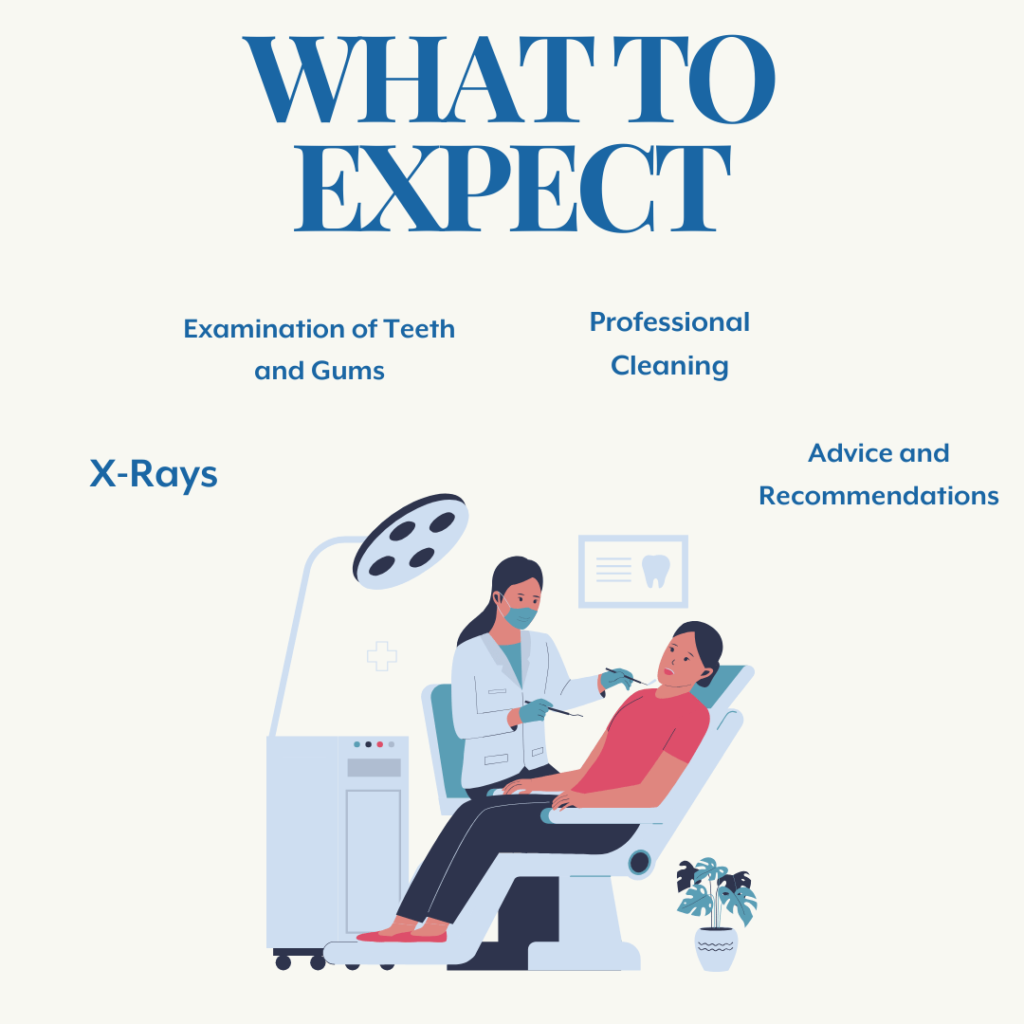
what to expect during a dental check up

During a routine dental check-up, you can expect the following:

  • Examination of Teeth and Gums: The dentist will check for signs of decay, gum disease, and other issues.
  • Professional Cleaning: Removal of plaque and tartar that regular brushing and flossing can’t eliminate.
  • X-Rays: These may be taken to identify problems below the gumline or between teeth.
  • Advice and Recommendations: Your dentist will provide guidance on how to improve your oral hygiene routine.

Additional Preventative Measures

Dental Sealants

Dental sealants provide a protective barrier against decay, especially for the back teeth, which have deep grooves that can trap food and bacteria. They are a quick, painless procedure that can significantly reduce the risk of cavities.

Fluoride Treatments and Supplements

Fluoride is a mineral that helps to strengthen tooth enamel and prevent decay. Your dentist may recommend professional fluoride treatments or supplements if you’re at high risk for decay.

Benefits of Chewing Sugar-Free Gum

Chewing sugar-free gum after meals stimulates saliva production, which helps wash away food particles and neutralise acids that cause decay. Look for gum with xylitol, a natural sweetener that has been shown to reduce bacteria levels in the mouth.

Common Myths and Misconceptions

There are many myths about dental care that can lead to poor practices. Let’s set the record straight on a few:

  • Myth: Sugar-free drinks can’t cause decay. Fact: Many sugar-free drinks are acidic and can erode enamel.
  • Myth: Brushing harder cleans better. Fact: Brushing too hard can damage your gums and enamel. Use a gentle, circular motion instead.
  • Myth: You only need to see the dentist if you have a problem. Fact: Regular check-ups can prevent problems and detect issues early when they’re easier to treat. 

Special Considerations

Dental Care for Children and Adolescents

Children and teenagers have unique dental needs. Encourage good habits early to ensure they maintain healthy teeth into adulthood. Tips include:

  • Supervise Brushing and Flossing: Ensure they’re using proper techniques.
  • Limit Sugary Snacks and Drinks: Encourage healthier choices.
  • Regular Dental Visits: Schedule check-ups every six months.

Oral Hygiene During Pregnancy

Pregnancy can affect your dental health. Hormonal changes can increase the risk of gum disease and decay. Maintain good oral hygiene and visit your dentist regularly to prevent issues. Your dentist can also provide specific advice tailored to your needs during this time.

Caring for Ageing Teeth

As we age, our teeth require extra care. Focus on:

  • Regular Dental Check-ups: To catch and treat problems early.
  • Using Fluoride Toothpaste: To strengthen enamel.
  • Managing Dry Mouth: Drink plenty of water and use saliva substitutes if necessary.

Conclusion

Preventing decay is vital for a healthy smile and overall well-being. By following the daily dental care practices outlined in this guide, you can protect your teeth from decay and enjoy a lifetime of good oral health. Schedule your next appointment with Irby Dental Practice and take the first step towards a healthier smile today.

FAQs

How often should I brush my teeth to prevent decay?

Brush at least twice a day with fluoride toothpaste to effectively prevent decay.

Is flossing really necessary?

Yes, flossing is crucial for removing plaque and food particles between teeth, areas that your toothbrush can’t reach.

What foods should I avoid to prevent decay?

Avoid sugary and starchy foods, as well as acidic drinks like soda and fruit juice, to protect your teeth from decay.

References and Further Reading

For more information on preventing decay and maintaining dental health, visit the following resources:

By adhering to these guidelines, you can significantly reduce your risk of tooth decay and maintain a healthy, beautiful smile. Irby Dental Practice is here to support you every step of the way.

5 Top Tips for Dental Health During Pregnancy in 2024

Pregnancy is a transformative journey that brings many changes to a woman’s body, including her oral health. These changes, primarily driven by hormonal fluctuations, can significantly impact dental health, making it a critical aspect of prenatal care. Proper dental hygiene during pregnancy is essential not only for the mother’s well-being but also for the baby’s health. Dental problems can lead to complications such as preterm birth and low birth weight. This blog provides expectant mothers with comprehensive tips to maintain optimal dental health throughout their pregnancy, ensuring both mother and child stay healthy.

Pregnancy can make women more susceptible to dental issues such as gum disease and cavities. Hormonal changes, particularly increases in progesterone and estrogen, can make gums more sensitive and prone to inflammation and bleeding. This condition, known as pregnancy gingivitis, affects nearly 60-75% of pregnant women. Additionally, increased acidity in the mouth due to morning sickness can contribute to enamel erosion. Understanding these changes and taking proactive steps can help prevent dental problems and promote overall health during pregnancy.

Tip 1: Maintain a Rigorous Oral Hygiene Routine

Importance of Oral Hygiene

A rigorous oral hygiene routine is the cornerstone of good dental health during pregnancy. Hormonal changes can exacerbate dental issues, making it more important than ever to stick to a strict oral care routine. Brushing and flossing help remove plaque. Plaque buildup can lead to cavities and gum disease, both of which can have serious consequences if left untreated.

Brushing with Fluoride Toothpaste

Using fluoride toothpaste is essential during pregnancy. Fluoride strengthens tooth enamel and helps prevent decay. Brush your teeth twice daily—once in the morning and once before bed—with a fluoride toothpaste. Make sure to brush for at least two minutes each time, using gentle circular motions to clean all surfaces of your teeth. Pay special attention to the gum line, where plaque tends to accumulate.

Flossing Daily

Flossing is just as important as brushing. It removes plaque and food particles from between your teeth and under the gumline, areas that a toothbrush can’t reach. Floss at least once a day, ideally before bedtime. If traditional floss is difficult to use, consider floss picks or an interdental cleaner.

Using Mouthwash

Incorporating an antimicrobial or fluoride mouthwash into your daily routine can provide additional protection against cavities and gum disease. Mouthwash helps reduce plaque and bacteria in the mouth, reaching areas that brushing and flossing might miss. Choose a mouthwash that is alcohol-free and safe for use during pregnancy. Don’t use mouthwash after brushing, instead use it as a way to maintain a clean mouth throughout the day.

Hydration

Staying hydrated is crucial for maintaining oral health. Drinking plenty of water helps wash away food particles and bacteria, and stimulates saliva production. Saliva is your mouth’s natural defence against decay, neutralising acids produced by bacteria. Aim to drink at least eight glasses of water a day, more if you’re experiencing morning sickness or are particularly active.

Tip 2: Schedule Regular Dental Check-ups

Importance of Dental Check-ups

Regular dental check-ups are essential during pregnancy to monitor and maintain oral health. Dental visits allow for early detection and management of potential issues such as gum disease and cavities, which can be exacerbated by pregnancy-related hormonal changes.

Informing Your Dentist

It’s important to inform your dentist about your pregnancy at the outset of your visit. This information allows your dentist to provide care that is safe and tailored to your needs. Certain dental procedures and medications may need to be adjusted or postponed to protect you and your baby.

Frequency of Visits

During pregnancy, it’s recommended to have at least one dental check-up per trimester. However, if you have existing dental issues or develop symptoms such as bleeding gums or tooth pain, more frequent visits may be necessary. Your dentist will provide a schedule that best suits your needs.

Tip 3: Manage Pregnancy Gingivitis

Symptoms of Gingivitis

Understanding Pregnancy Gingivitis

Pregnancy gingivitis is a common condition characterised by swollen, red, and bleeding gums. It’s caused by hormonal changes that increase blood flow to the gums, making them more sensitive and susceptible to inflammation. Symptoms typically begin to appear in the second trimester and can persist throughout pregnancy.

Symptoms of Pregnancy Gingivitis

Common symptoms of pregnancy gingivitis include:

  • Red, swollen gums
  • Bleeding when brushing or flossing
  • Tender or painful gums
  • Bad breath

If left untreated, pregnancy gingivitis can progress to more severe forms of gum disease, such as periodontitis, which can have serious implications for both maternal and fetal health.

Managing Pregnancy Gingivitis

To manage pregnancy gingivitis, it’s important to maintain a diligent oral hygiene routine. Brush twice daily with fluoride toothpaste and floss daily to remove plaque. Use an antimicrobial mouthwash to help reduce bacteria in your mouth.

Gentle brushing with a soft-bristled toothbrush can help prevent further irritation of the gums. Avoid aggressive brushing, which can exacerbate inflammation and bleeding. If your symptoms persist despite good oral hygiene practices, consult your dentist for further evaluation and treatment.

Professional Cleaning

Professional dental cleanings are particularly important if you have pregnancy gingivitis. These cleanings remove plaque and tartar buildup that contribute to gum inflammation. Your dentist may also recommend more frequent cleanings to help manage symptoms and prevent progression to more severe gum disease.

Home Remedies

In addition to professional care, there are several home remedies that can help alleviate symptoms of pregnancy gingivitis. Rinsing with a saltwater solution (1 teaspoon of salt in a glass of warm water) can help reduce swelling and discomfort. Avoid sugary foods and drinks that can contribute to plaque buildup and gum irritation.

Tip 4: Eat a Balanced Diet Rich in Nutrients

Importance of a Balanced Diet

A balanced diet is crucial for maintaining dental and overall health during pregnancy. Proper nutrition supports the health of your teeth and gums and provides essential nutrients for your baby’s development. Certain vitamins and minerals play a key role in dental health, including calcium, vitamin D, and phosphorus.

Key Nutrients for Dental Health

Calcium

Calcium is vital for building and maintaining strong teeth and bones. During pregnancy, your body’s demand for calcium increases to support your baby’s developing skeleton. Include calcium-rich foods in your diet, such as dairy products (milk, cheese, yogurt), leafy greens (kale, spinach), and fortified foods (orange juice, cereals).

Vitamin D

Vitamin D helps your body absorb calcium effectively, making it an essential nutrient for dental health. Sunlight is a natural source of vitamin D, but it can also be found in foods such as fatty fish (salmon, mackerel), fortified milk, and egg yolks. Ensure you get adequate sunlight exposure or consider a vitamin D supplement if recommended by your healthcare provider.

Phosphorus

Phosphorus works with calcium to build strong bones and teeth. It’s found in protein-rich foods such as meat, poultry, fish, eggs, dairy products, nuts, and seeds. Including these foods in your diet helps support your dental health during pregnancy.

Limiting Sugary Foods and Drinks

Sugary foods and drinks can contribute to tooth decay by feeding the bacteria in your mouth that produce acid, which erodes tooth enamel. Limit your intake of sugary snacks, sodas, and fruit juices. When you do consume sugary foods, try to eat them as part of a meal rather than as a snack, as this reduces the amount of time your teeth are exposed to sugar.

Healthy Snacking

Opt for healthy snacks that are low in sugar and high in nutrients. Fresh fruits, vegetables, nuts, and cheese are excellent choices. Crunchy vegetables like carrots and celery can also help clean your teeth and stimulate saliva production, which neutralises acids and washes away food particles.

Tip 5: Be Mindful of Morning Sickness

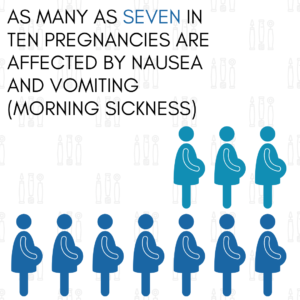
Morning sickness Infographic - 7:10 pregnant women are affected by morning sickness

Impact of Morning Sickness on Dental Health

Morning sickness, characterised by nausea and vomiting, is a common symptom during pregnancy, particularly in the first trimester. The stomach acid from vomiting can erode tooth enamel, increasing the risk of decay and sensitivity.

Rinsing After Vomiting

To protect your teeth from the effects of stomach acid, rinse your mouth with water or an alcohol-free mouthwash immediately after vomiting. This helps neutralise the acid and wash away any remnants. Avoid brushing your teeth immediately after vomiting, as the enamel is softened by the acid and brushing can cause further erosion. Wait at least 30 minutes before brushing to allow the enamel to re-harden.

Using Baking Soda

Rinsing with a baking soda solution (1 teaspoon of baking soda in a glass of water) can help neutralise stomach acid and protect your teeth. Baking soda is alkaline and can quickly neutralise the acidic environment in your mouth after vomiting.

Maintaining Oral Hygiene

Despite the challenges of morning sickness, it’s important to maintain your oral hygiene routine. If brushing your teeth triggers nausea, try using a bland-tasting toothpaste or switching to a different flavour. You can also try brushing at different times of the day when nausea is less severe.

Diet Modifications

Eating small, frequent meals throughout the day can help manage morning sickness and reduce the risk of acid reflux. Avoid foods and drinks that trigger nausea, and opt for bland, easy-to-digest foods. Ginger and peppermint can also help soothe an upset stomach.

Conclusion

Maintaining dental health during pregnancy is essential for the well-being of both mother and baby. By following these tips—practising rigorous oral hygiene, scheduling regular dental check-ups, managing pregnancy gingivitis, eating a balanced diet rich in essential nutrients, and being mindful of the effects of morning sickness—you can ensure your oral health remains in excellent condition. Dental care during pregnancy not only protects your teeth and gums but also contributes to a healthy pregnancy and reduces the risk of complications.

Pregnancy is a time of joy and anticipation, but it also requires extra attention to various aspects of health, including dental care. The hormonal changes and physical demands of pregnancy can make you more susceptible to dental issues, but with proper care and attention, these can be effectively managed. Remember to consult with your dentist regularly to receive personalised care and advice tailored to your needs during this special time.

For personalised advice and care, contact your dental professional today or contact us HERE. Your dental health is crucial, especially during pregnancy—take the necessary steps to protect it.

Do You Really Need Dental Checkups Every 6 Months?

Have you ever wondered why dentists say biannual dental checkups are important? They’re not just routine appointments—there is reasoning behind 6-month checkups, and they are crucial for maintaining a healthy and radiant smile. We understand that these appointments can be easily dismissed and may not fall at the top of your priority list but what exactly makes these appointments so essential? Let’s delve into the rationale behind the recommendation for regular dental visits and uncover the benefits they offer for your oral health and overall well-being.

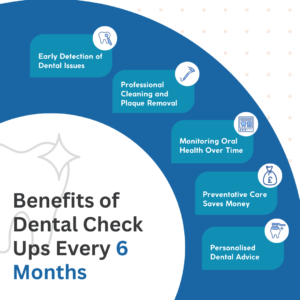
Infographic explaining the benefits of biannual dental check ups


Emphasising the Importance of Regular Dental Checkups

Preventive Care

Regular dental checkups serve as a proactive defence against oral health issues. Identifying problems such as cavities, gum disease, and oral cancer in their early stages, helps dentists intervene early. These dental problems often begin as small areas of decay, inflammation, or subtle signs. During a dental checkup, dentists examine each tooth, using tools and techniques to detect even the slightest signs. Identifying them in their early stages can be intervened with minimally invasive treatments, preventing the need for more extensive and costly procedures in the future.

Professional Cleaning

Despite our best efforts with brushing and flossing, maintaining optimal oral hygiene can be challenging, especially when it comes to reaching certain areas of the mouth that are prone to plaque and tartar buildup. Plaque, a sticky film of bacteria that forms on the teeth, can accumulate in hard-to-reach places, such as the grooves and crevices between teeth and along the gum-line. If left for too long, plaque can harden into tartar, also known as dental calculus. When it reaches this stage, it cannot be removed by regular brushing and flossing alone.

Health Monitoring

Oral health will have various changes over time due to numerous factors such as age, lifestyle, diet, and overall health. This means that what might be a minor issue today could potentially evolve into a more significant problem tomorrow if left unchecked. Regular dental checkups provide a systematic approach to monitoring these fluctuations, allowing dentists to stay ahead of any emerging issues and ensure optimal oral well-being. A slight change in gum colour or texture, a new sensitivity, or a small cavity that wasn’t there before can be early warning signs that something needs attention


The Advantages of Six-Month Intervals

Habit Reinforcement

Regular six-month checkups help reinforce good oral hygiene habits. When you know that a dental appointment is approaching, it can motivate you to maintain their brushing and flossing routines consistently. This accountability ensures that patients stay diligent with their daily oral care, reducing the likelihood of developing dental issues between visits.

Enhanced Patient Education

Regular six-month checkups provide an opportunity for enhanced patient education. During these visits, dentists can educate patients about various aspects of oral health, including proper brushing and flossing techniques, dietary habits that promote dental health, and the importance of regular dental care. By empowering patients with knowledge and understanding, dentists equip them with the tools to take control of their oral health and make informed decisions about their dental care. This proactive approach fosters a collaborative relationship between patients and dentists, leading to better oral health outcomes in the long run.

Cost-Effectiveness

While some may perceive dental checkups as an unnecessary expense, they are, in fact, a prudent investment in long-term oral health. By reducing the need for extensive treatments for advanced dental problems, preventive care ultimately saves patients both money and discomfort.

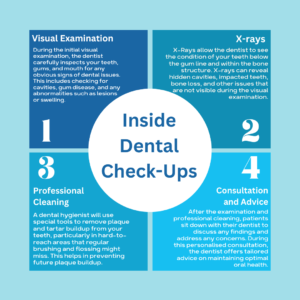
infographic explaining the steps of a dental check up

Addressing Common Thoughts

Healthy Teeth Don’t Need Checkups

Even if your teeth appear healthy on the surface, regular dental checkups are still crucial. Many dental issues can develop silently, without causing obvious symptoms or discomfort. Early-stage cavities may not be visible to the naked eye but can be detected through X-rays or clinical examinations. Similarly, gum disease often begins with subtle signs such as slight bleeding during brushing, which may go unnoticed without professional evaluation. Attending regular checkups, patients can catch these underlying issues before they progress into more significant problems, preserving their oral health and avoiding the need for more invasive treatments.

Checkups Are Painful

Contrary to outdated stereotypes, modern dental checkups are remarkably comfortable and virtually pain-free. Technological advancements, such as intraoral cameras and digital X-rays, have revolutionised the diagnostic process, allowing for more precise and efficient examinations with minimal discomfort. Additionally, dentists now use advanced anaesthetics and gentle techniques to ensure patient comfort during procedures. Whether it’s a routine cleaning or a more complex treatment, patients can rest assured that their dental experience will be as comfortable and painless as possible, dispelling any fears or apprehensions associated with dental visits.

Fear of Dental Visits

Many people experience dental anxiety or fear, which can prevent them from attending regular checkups. However, avoiding dental visits due to fear can have serious consequences for oral health. Dentists understand these concerns and strive to create a comfortable and supportive environment for anxious patients. Techniques such as gentle communication, distraction techniques, and sedation dentistry can help alleviate anxiety and make dental visits more manageable. By overcoming fear and attending regular checkups, patients can address any dental issues early and maintain optimal oral health in the long term.


Special Considerations for Different Groups

Children and Teenagers

Younger patients, including children and teenagers, require special attention to ensure proper dental development and long-term oral health. Regular dental checkups during childhood and adolescence are crucial for monitoring the growth and alignment of the teeth and jaws, detecting issues such as malocclusions or bite problems early on. Additionally, children are more susceptible to dental caries (cavities) due to their developing oral hygiene habits and dietary choices. Regular checkups provide an opportunity for preventive measures such as fluoride treatments and dental sealants to protect against cavities. Moreover, educating children and teenagers about the importance of oral hygiene and healthy habits early in life sets the foundation for a lifetime of good dental health.

Older Adults

As individuals age, their dental needs change, and maintaining oral health becomes increasingly important. Older adults are more prone to conditions such as gum disease, tooth decay, and tooth loss due to factors like medication use, reduced saliva production, and age-related health issues. Regular dental checkups are essential for addressing these age-related concerns, detecting problems such as periodontal disease or oral cancer early, and implementing appropriate interventions. Dentists may also recommend additional preventive measures such as fluoride treatments or mouth rinses to help older adults maintain their oral health and quality of life as they age.

People with Specific Health Conditions

Certain medical conditions, such as diabetes, heart disease, and autoimmune disorders, can have significant implications for oral health. Individuals with these conditions may be at higher risk of developing dental problems such as gum disease, dry mouth, or oral infections. Consequently, they may require more frequent dental checkups to monitor their oral well-being and prevent complications. Dentists can work closely with patients and their healthcare providers to develop tailored treatment plans that address both their dental and medical needs. Additionally, maintaining good oral hygiene and attending regular checkups is essential for managing these conditions effectively and minimising the risk of oral health complications. Prioritising dental care and working collaboratively with healthcare professionals, individuals with specific health conditions can maintain optimal oral health and overall well-being.

Conclusion

Regular dental checkups are not merely appointments—they are commitments to optimal oral health. Scheduling biannual visits, individuals can safeguard their smiles, detect issues early, and enjoy a lifetime of dental wellness. Take the first step towards a brighter smile by contacting Irby Dental Practice today to schedule your next appointment. Your smile deserves the very best care!

Diet and teeth health


Is there link between diet and teeth health  ?

There certainly is. If  we were not careful what and when we eat and drink it would be  very likely that  the health ,including that of our teeth, will suffer as a result. Various problems can occur  if we stick to unhealthy diet habits.

How does the tooth decay develop?

It basically happens when the sugars from the foods and drinks we consume interact with the bacteria that otherwise  normally reside  in the  mouth. The outcome of this reaction is acid that breaks down the surface  of the teeth. Initially the enamel can  repair itself.This is a process that we call remineralization. Following  repeating and frequent   acid attacks though cavities occur and restorative treatment becomes necessary.

What kind of foods and drinks contain sugar ?

Well known sugary drinks and foods are sweets,chocolate,cookies,toffee,cake,pies,soft drinks and fruit juices. There are also foods with “hidden”sugar content such as cereals,baked beans,ketchup,barbeque sauce or flavored coffees. These are particularly important as we don’t realize they are significant and can have impact on the state of our teeth.

Does it matter when and how often we consume sugar ?

Frequency of sugary intake does matter. The repetition of the acid attacks combined with  unsatisfactory oral hygiene   is what causes the the destruction of the enamel.The advice is to try and reduce  sugary snacking . Limit the consumption of sugar to mealtimes only. If you do want to snack consider more  healthy options. This could be  cheese,nuts or breadsticks.

It is also very important not to take any sugar just before going to bed.Acid attack continues for up to 1 hour  after consumption of sugar. At  the same time the flow of  saliva,which naturally protects teeth from decaying, is lower  overnight.

What other tooth damage could occur as a result of poorly diet ?

Foods and drinks containing acid could cause dental erosion. This is a process  of softening and eventually  loss of  tooth surface. As a result  sensitivity,discolouration or teeth shortening take place. Common  foods and drinks with high acid content are red wine,vinegar,ciitrus fruits,fruit juices,energy drinks,alcohol.Frequent use and increasing the time of contact with teeth is the most common cause for the loss of enamel.

What diet is good for the oral health ?

Fruits and vegetables  rich in vitamins and minerals constitute a healthy diet. Leafy green vegetables,apples,carrots or celery are good  examples. Foods that contain calcium and protein contribute to improving  the strength of teeth. Some to mention here are yogurt,cheese,almonds,poppy and chia seeds.

If you want to receive more information on how to take best care of your teeth simply call 0151 648 1974 .You can then be sure that your smile is in good hands.

Gum disease


What is gum disease ?

Gum disease is another,and possibly more popular, name of periodontal disease. The latter is the professional term and refers to the area surrounding the teeth.This includes gums,bone,root cement and small fibers connecting teeth to the bone.

It is a very common condition that affects about half of the world population .It often remains unnoticed because of the lack of obvious symptoms such as pain.

How does it occur ?

In most of the cases it happens because of inadequate oral hygiene. When we don’t clean our teeth well,including the spaces between them,plaque forms. This is a thin coat containing small food debris,bacteria and saliva.In the early days we can remove the plaque by brushing and cleaning between teeth twice a day.

If we don’t maintain good hygiene and leave plaque behind, this hardens and turns into hard mass which we call tartar(or calculus). Tartar can accumulate above or below the gum line and ,unlike the plaque, is not something that we can get rid of however hard we brush.

What are the symptoms of gum disease?

There are basically two stages of gum disease.

Firstly we can notice bleeding when brushing or eating. The gums could be sore and appear red and swollen. They move away from the teeth and bad breath may become noticeable. This is the initial phase of the problem called gingivitis. The good news here is that this condition is reversible.This is achievable through oral hygiene improvement and regular visits to the dental office where the dental professionals carry out scale and polish.

If we don’t notice the gingivitis on time or deal with it effectively then periodontitis develops. This is the second stage of the gum disease. At this point spaces between teeth may become obvious.As the problem progresses deep pockets form and the supporting bone starts to break down because of the activity of bacteria that the calculus contains. With inadequate management the teeth lose stability over time and can even fall out.

Can everyone have gum disease?

Yes,indeed. Everyone is at risk to getting gum disease but some people are more susceptible to develop it,especially their aggressive forms.These are patients who suffer with poorly controlled diabetes,obesity or are on a poor diet. Smoking, poor oral hygiene, and stress can also increase the risk.

Is there treatment for gum disease?

The answer is yes and the gum disease is more easily manageable in its early stages.
The aim of this treatment is to reduce the bacterial load around the teeth. This we attain by maintaining excellent oral hygiene. We have to clean our teeth twice a day by using good quality brush. It is very important to remove plaque between teeth by using floss and interdental brushes. About 30% of plaque remains between teeth regardless of how often or how hard we brush.

As we mentioned before once the plaque has hardened and become tartar,only a dentist,or a dental hygienist can remove it . Thisthey do by using both machine and hand instruments. It is sometimes necessary to perform deep debridement (root planing) if there are advanced pockets. Taking this step could stop further bone loss and improve the prognosis for the affected teeth.

It is possible that the dentist will recommend an antibiotic course if the mechanical clean does not resolve the problem.

If you think you might have issues with gum disease get in touch with Irby Dental Practice.
With our expertise, we will provide you with the best possible treatment and advice.

Dental implants


What are dental implants?


It is a type of prosthesis that replaces a missing tooth by inserting a metal screw into the jawbone. They are an excellent alternative to removable dental appliances which not everyone can tolerate. Implants provide the foundation onto which crowns,bridges or even dentures are attached to restore function and aesthetic.


Does it  take long ?


There are different protocols for placement and restoration of implants. Most commonly we wait for about 3-6 months after a tooth removal to allow for  the hard and soft tissues to heal well. Then  we complete the surgical stage of the process which is the accommodation of the  implant into the bone. Ater another 3 months,unless there are any complications, the implants are ready to accept relevant  restorations.


Can everyone have implants ?


The short answer is no. Some medical conditions such as   recent myocardial infarction,stroke or  compromised immune defense are not compatible with placement of implant. Smoking,gum disease or poor oral hygiene increase the risk of treatment failure. To summarize, it is crucial to assess the dental and medical health before deciding on dental implants.


 What are the key benefits of having implants ?


They  improve overall  appearance  because the restorations look like natural teeth and this brings the lost confidence back. The implants enhance the efficiency of chewing by filling the gaps, which improves food processing .This prevents stomach disorders from occurring . Another benefit is that implants fuse to the  bone and do not require removal for maintenance


Are there any downsides?


 As with any surgical procedures there is risk of inflicting damage to neighboring teeth,soft tissues and other important anatomical structures. Failure of implants or their  restorations are also likely to occur. Comprehensive treatment planning, procedures execution, and meticulous maintenance can significantly  reduce the risk of the above complications.


Is it painful to have an implant?


Implant surgery should be  free-of -pain procedure. Same anesthetics and techniques are used just as when you have tooth extraction or even a filling. There is a chance of some discomfort and tenderness in the post-operative period but this is normally easy to manage with over-the-counter painkillers.


If you want to get more information on implants,please get in touch with Irby Dental Practice on 0151 648 1974.


How to protect our teeth during the festive period


What do we need to do to protect our teeth during the festive period?


During the holiday season, we often spend time with family and friends and eat a lot of sweets that aren’t exactly good for our teeth.


The increasing  intake of sugar  and significant  acid attacks from alcoholic and fizzy drinks put our dental health at risk. This is the time of the year when the level of hygiene could drop. We should be aware of the ways we can keep the dental problems at bay.


Here are some tips that could help us stay on the safe side.


1.Cut down on sugars


We need to try and decrease the amount of chocolate and sweets. However we should take into account that  what matters more is the frequency of the sugary attacks. Sweets should be consumed only at meal times and not as  snacks. This is because the saliva  we produce more when eating naturally protects the teeth  by neutralizing the acids harming the enamel of the teeth.


2.Maintain excellent oral hygiene


We appreciate how easy it is to neglect our hygiene during the holiday season. Bacteria in our mouth though  never take a break. It is ever so important  to stick to the good oral hygiene habits. Brushing twice a day and cleaning between teeth with floss or interdental brush is a must. You can even ask Santa to bring you new electric tooth brush.We are sure he wouldn’t mind.


  1. Reduce alcohol consumption


Alcohol is contributes to  the good mood but  is also repsonsible  for a variety of  dental health issues. It contains acids that break down the enamel of the teeth causing sensitivity and pain. Alcohol can increase the risk of oral cancer specifically when is in a combination with tobacco. It can also reduces the saliva  and makes the teeth prone to tooth decay.


  1. Use sugar-free chewing  gum


It provides protection to your teeth between meals or when it may not be possible for you to brush . Chewing sugar-free gum stimulates the saliva production and as we already the saliva is a  natural defence against acids. Chewing gums are also helpful with bad breath and dry mouth.


  1. Drink plenty of water


Water hydrates and cleans the mouth.That prevents the plaque from  building up. The water also dilutes the harmful acids and makes the teeth less vulnerable.


  1. Use your teeth only for eating


Do not try  to use your teeth to open boxes or  bottles. Cracking  nuts or ripping price tags off garments with teeth is just as harmful. By doing this you can easily chip or even fracture your teeth especially those that have already had problems in the past.


  1. Book an appointment with Irby Dental Practice


If you want to make sure that your teeth have not suffered any damage during the festive period book your examination with us on 0151 648 1974 


Book your dental appointment with Irby Dental Practice today to boost your confidence and smile.

LEARN MORE