Dental veneer in Wirral


What is dental veneer in Wirral?


Basically, a dental veneer is a thin layer of artificial material applied to the front surface of a tooth. It helps to improve the appearance by fixing issues as chipping,irregular shape, inadequate size, gaps ,stains  or  discolouration. Cosmetic dental procedures like these are extremely popular.


Are there different types of dental veneers ?


It is possible to fabricate dental veneers at a dental laboratory (indirectly) or in a patient’s mouth as they seat in a dental chair (directly).


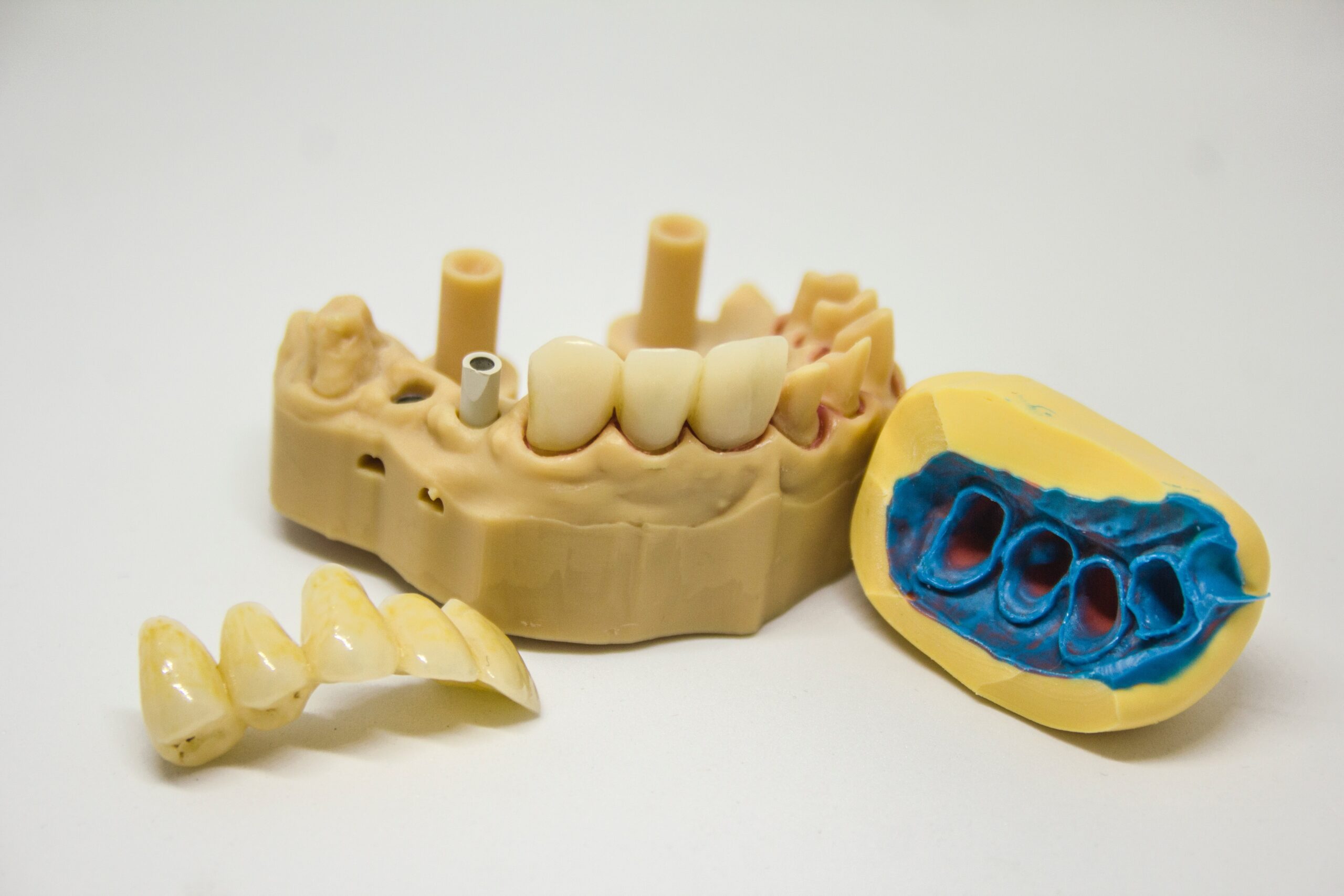
With the first type technicians  produce the veneers by using impressions that the dentist has taken at the  surgery. These veneers are either porcelain or ceramic. The ceramic veneers require less tooth preparation and are therefore more conservative. The porcelain ones though can last longer. 


Dental therapists or dentists perform direct veneers chairside with composite. They either sculpture the veneers free-hand or  heat a material that is  then mould-injected. These veneers are not as durable as the direct ones and would need changing and refreshing more frequently,normally every 5 to 7 years.


Does it take  long to get a veneer?


It requires only one appointment to make direct  veneers. The dental professional will remove a small amount of enamel before placing a very  thin layer of composite material. In some cases there would be no need to take anything off the tooth.


For an  indirect veneer patient will have to go to the dental office twice. During the first appointment the dentist will  cut  about 0.5 mm from the front side of the tooth and take impressions to send to the dental laboratory. There the technician  will  fabricate the veneer and then return it to the the surgery for test and fit. 


Do dental veneers need maintenance?


Composite  veneers can acquire stains and that’s why it is important to avoid certain foods and drinks such as tea,coffee,red wine or curry.


Porcelain and ceramic veneers are more resilient but can chip,fracture or debond from the teeth.


Excellent oral hygiene is essential. You have to use soft toothbrush and to regularly clean between teeth with floss,interdental brushes or water flosser. Plaque accumulation can result in tooth decay and gum inflammation which would compromise the outcome from the  treatment . Regular visits to see your dentist are  therefore of critical importance.


If you want to find more about dental veneer in Wirral , please get in touch with Irby Dental Practice on 0151 648 1974 and we would be happy to answer all of your questions.



Dental emergencies


What are dental emergencies?


An emergency dental situation is anything that prevents you from eating, working, sleeping, or just having a good night’s sleep.  Symptoms could include hard-to-manage dental pain, uncontrollable bleeding, trauma, or significant and rapidly progressing facial swelling. 

What would the dentist do to help me when I have an emergency?

Depending on the nature of the problem, the dentist may take the appropriate action.This could include removing inflamed dental pulp by initiating  root canal treatment , taking a problematic tooth out or prescribing antibiotics.

You may also need to have a tooth that has been knocked out put back in its socket followed by placement of suitable splint for certain period of time. 

In case of jaw fracture it is necessary to place splints on the upper and lower jaws. After that they will be bind for a period of around 3-6 weeks to ensure healing in the right position. 

Wounds  that bleed or ooze continuously for too long will  need suturing. On some occasions  you might need medication as well.

What should I do when I have an emergency?   

Dental emergencies require immediate attention and you should see a dentist   as soon as possible.


You will have to take  over-the counter analgesics to try and manage the pain.


 In case of persistent bleeding you can  bite on a clean handkerchief  in order to stop further loss of blood.

Avulsed teeth  should be put in milk,saline or saliva and you have to see your dentist ideally within 60 minutes.  

Are dental emergencies dangerous?

Dental emergencies require immediate attention because they could quickly deteriorate and become even life threatening. If ,for instance,an abscess engages the floor the mouth or neck there could  be difficulties with breathing or swallowing. The infection may further spread and result in significant  drop in blood pressure or  damage to  organs like liver or kidneys.

If you think you have dental  emergency all you have to do is  call Irby Dental Practice.

We are located on 67 Thingwall Road,CH61 3UB and have dedicated slots for emergency appointments.

Teeth discolouration


What is  teeth discolouration ?

This is when your teeth appear off-white.They may look browny,yellowish,gray or just not completely white. This usually affects your confidence due to having unattractive smile.

How does the teeth discolouration occur?

There are various reasons for the change of teeth shade but we can narrow them down to three main groupes:

1/ Extrinsic factors

These are outside the human body and include certain foods and drinks such as tea,coffee,curry,red wine. Tobacco use and intake of some medication(Tetracyclin) are also possible to inflict tooth color change. Inadequate oral hygiene  and plaque accumulation may result in teeth looking yellow.

2/Intrinsic factors

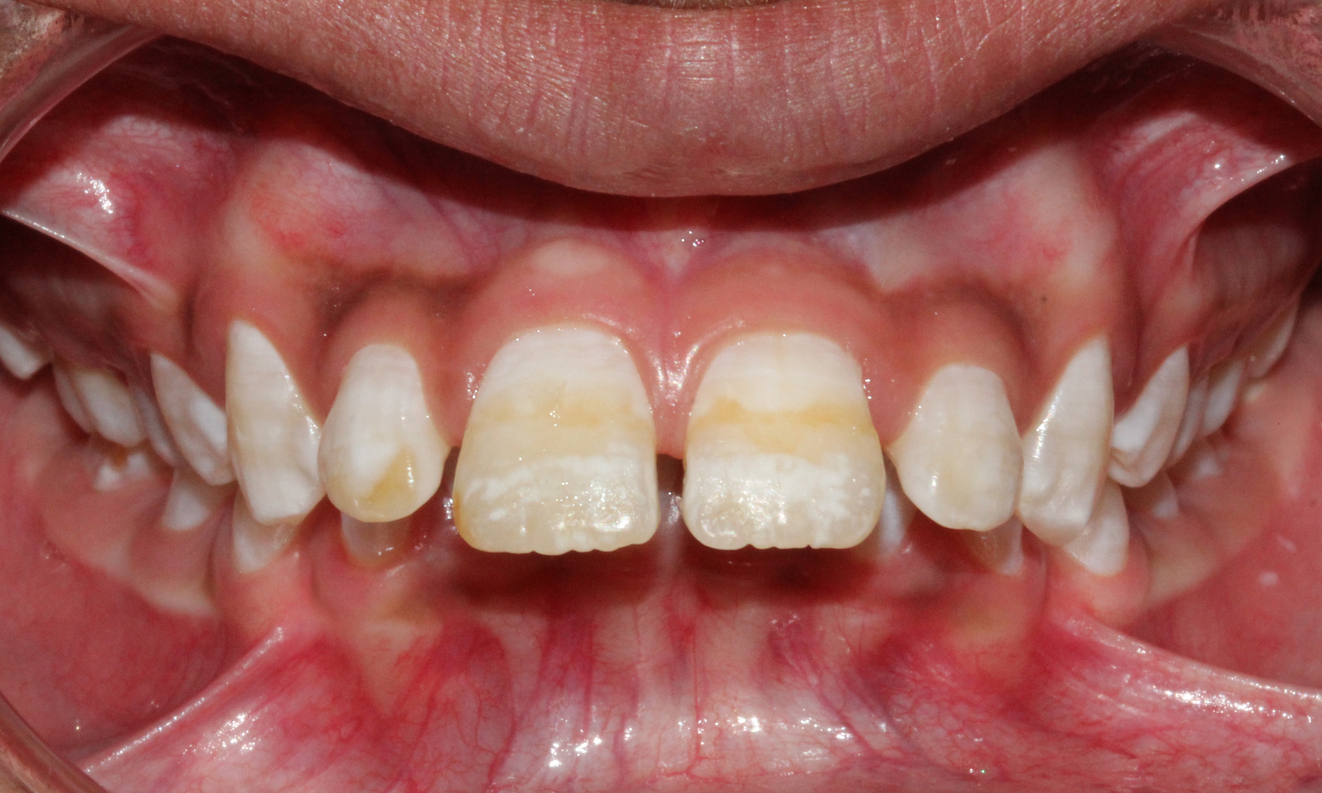
They are within the human body .Some of them are excessive intake of fluoride(dental fluorosis) in early childhood, trauma to  the teeth with nerve injury,mother taking antibiotic(Tetracyclin) during pregnancy.

Other causes belonging to that group are genetic predisposition and medical conditions.Some to mention are calcium deficiency,liver disease and eating disorders.

3/ Process of aging

Teeth look naturally darker as the age increases due to enamel  going thinner. This exposes the underlying dentin that gives the teeth yellowish appearance.

What can I do to avoid teeth discolouration?

Maintaining good oral hygiene is essential. Not only is this critical for teeth and gums health but also preserve white  color of teeth . Seeing your dentist or dental hygienist at least twice a year will help you keep this problem at bay.

Limit the intake of tea,coffee,red wine,cola or curry. Make sure you rinse your mouth with water plentifully  after you have consumed those.

Stick to a healthy lifestyle. Include a lot of green leafy vegetables, cheese,nuts and fiber-rich foods in your daily diet.

How do I get rid of teeth discolouration?

The approach will depend of the cause.

If  the change of color is down to poor oral hygiene you should schedule an appointment for scale and polish.

If there is an  exposure of dentine due to aging or  teeth look discolored because of  fluorisis then  whitening or veneers could be the best solution.

Should you have concerns related to teeth discolouration do not hesitate to contact us for further advice.

Intra-oral scanner in Wirral

What is intra-oral scanner in Wirral?


Intra-oral scanner in Wirral is a pen-like handheld device that dentists use to obtain 3D impressions  of the teeth, gums and register bite.This eliminates the need of using analogue impressions.


 Scanners also save time due to ease of use and quick communication with the dental laboratory. There is no need for someone to collect the impression, Instead the dentist sends them online with the touch  of a button.


How do the intra oral scanners work ?


Dentist or nurse place the device in the patients mouth.They then push a button that activates a light source. The image sensors start capturing  great number of images that  specifically designed software processes and generates  stunning 3D image that we can display on a laptop or TV  monitor. 


What can the intra-oral scanners be used for?


We employ images  from intraoral scanners to manufacture crowns,dentures,bridges,

They are also very useful when treating teeth misalignment and during the process of planning placement of implants. Scanners can also be a very powerful motivational tool for the  patients. They show what the current state of their teeth is. That could highlight problems that patients might have not been aware of.


How long does it take to take a scan?


This varies but in most of the cases is longer than 4-5 minutes. In all occasions is quicker and also more hygienic way of obtaining dental impression compared to the traditional methods. Patients can also tolerate it better because of avoidance of problems such as smell,heat and gag reflex.


Are there any downsides of having an intra oral scan ?


The only problem that might occur is fatigue of the jaw. This happens very rarely and only  if  the procedure takes too long.If that is the case we can stop and continue later on from exactly where we have left off. This is not going to affect the quality of the image.


Is it expensive to have this procedure ? 

The answer is no. Here,at Irby Dental Practice, we are not going to be charge you  extra. This is  part of the comprehensive  process of treatment planning. 


Tooth wear

What is tooth wear ?


Tooth wear is loss of tooth structure for reasons different to dental caries. It is a normal physiological process and is very common. It could have an impact on normal function,aesthetic and therefore requires good understanding and adequate management.


What types of tooth wear exist?


There are four main variants:


1/  Erosion


This happens when acids weaken the enamel of the teeth and make it susceptible to wear. The acid could be originating from outside  (drinks,foods,medicines) or inside the body(stomach acid). The frequency of acid attacks is the most important factor that determines the speed and scale of tooth damage.


 2/Abrasion


This is mechanical wear of the teeth that is related to forces not arising from teeth. This could be coming from tooth brush bristles when  excessive force is  applied. On other occasions foreign objects such as pens,piercing or tooth picks could be responsible for this type of damage


3/Attrition


This is caused by tooth against tooth contact. It could occur as the age increases or because of of habits like clenching/grinding teeth over night or during the day.


4/ Abfraction


Clinical and laboratory studies suggest that this fourth form of tooth wear exists. It occurs at neck area of the tooth because of  stress arising from chewing and biting  forces.


What are the  signs and symptoms of the tooth wear?


The most significant sign that the teeth are wearing is the change in their look.


 Initially there is a glassy appearance on the outer side of the upper front teeth which widespreads as time goes by. 

As the condition progresses change in teeth color becomes visible. This is because of the exposure of the  darker dentine underneath. 


In the back teeth many small cavities may form at first which, as the time progresses, join  in one big lesion. This could result in bite problems as the teeth don’t meet when biting together.


Sensitivity is another  feature of the tooth wear. There might be a brief,sharp pain when cold stimulus makes contact with the tooth. It most commonly occurs at the area  of the tooth just above the gum line.


What can I do about tooth wear ?


The most important steps when dealing with tooth wear  are prevention and identifying the risk factors.


The most important aspect of  prevention is monitoring the rate of the tooth wear.The most common way of doing this is by regularly taking impressions ,making  study casts and obesrving them for changes. Nowadays digital dentistry allows the clinicians to follow the progress of the tooth wear by using data from intra oral scanners.


Giving the right dietary advice is equally important. Frequency of  consumption of acid foods and drinks should be decreased and alternatives found.Avoiding swishing  beverage around the mouth and using straw is also very beneficial.


Fluoride has an important role in the prevention of tooth wear occurrence. It hardens the enamel and increases its resistance to destruction from acids.


Do the  teeth need restorations because of  wear?


This usually becomes necessary when there is  significant sensitivity and change of appearance. Restoring  such teeth though  represents long term commitment and restorations require regular maintenance. It could also involve costly  and lengthy procedures.


This is something that everyone should be aware of before they make a decision to engage in treatment of their  worn teeth.

Replacing missing teeth in Wirral


Why replacing missing teeth in Wirral is  so important ?


Losing tooth would have  impact on  function or aesthetic. It could make chewing and processing   food  more challenging . Gap in the front of the mouth could severely affect your smile and confidence respectively. 


Having space between teeth could lead to food trapping or unwanted movement of adjacent ,and opposing teeth ,  towards the empty space in the jaw. This in turn would affect the bite resulting in  various other complications.


How do we replace missing teeth ?


There are three main ways to do this.


The first one is with removable appliance that we name  denture. This could be partial or complete depending on whether there are any own teeth left or not.


The second one is fixed appliance called bridge. This is when we have to cut down natural teeth on order to accommodate artificial ones over and next to them.


Lastly the third,and most modern method, is by using dental implants. This is where metal screw is inserted into the jaw bone to replace missing tooth root. Then we use this to place denture or bridge on the top.


What is partial denture?


This is plate which has  one or more  artificial teeth on it. Plate could be fabricated from acrylic(plastic),metal or combination of both.  


Metal dentures are better fitting,sturdier,lighter and have better retention than the plastic ones. They are a lot more expensive though.


Some acrylic dentures have  nylon fibres in their structure which makes them more flexible and comfortable.Valplast denture are example of this type of appliance.


How do I know if I need bridge or denture?

Dentures are essentially the treatment of choice when relatively more teeth are missing.


Complete dentures for instance are very good ,and relatively cheap, solution for a completely toothless mouth.


Bridgework is recommended when fewer teeth are missing or when the toothless gap is on one side of the mouth.


Long bridge constructions are usually  very expensive and destructive because they  require  preparation(filing down)of ,sometimes intact teeth or such with very small restorations. Besides risk of  future complications is more significant.


How to look after dentures and bridges ?

You need to take dentures out every night,brush them and then soak them in water in  a storage box. You should never let the dentures dry out  because  this could result in cracks,breakage or distortion.


When having bridge it is critical to maintain excellent oral hygiene . Brushing teeth and cleaning between teeth with floss and  interdental brushes would keep your gums healthy and your teeth,and bridge respectively,will last for longer.


If you have missing teeth and would like to boost your confidence as well as to improve the quality of your life,do not hesitate to contact us to book your assessment appointment. We’ll take care of replacing missing teeth in Wirral.

Dental trauma


What is dental trauma?


Dental trauma is a damage to the teeth ,soft tissues in the mouth as well  jaw bones.It usually occurs accidentally or during practicing sports and could require urgent treatment.


What types of dental trauma exist?


1.Trauma injury limited to the teeth- it  ranges from just a small enamel chip to extensive fracture affecting the tooth nerve(pulp)


2. Trauma  to the teeth extending down the root and sometimes involving the underlying jaw bone


3.Trauma to the tissues in close proximity to the teeth- it could make the tooth wobbly(subluxation),displace it(luxation) or completely  remove it from its socket(avulsion)


4.Trauma to the gums,and inner mouth lining (abrasion,contusion and laceration)


What are the symptoms of dental trauma?


They could widely vary. It might be just a rough tooth surface and  insignificant sensitivity when there is only a  minor enamel fracture. In other scenarios involving pulp exposure, tooth mobility or loss,there would be pain,bleeding and swelling.


What is the treatment for dental trauma?


It depends on the scale of the damage.


If there was no nerve involvement it would be a case of just doing a filling or crown.


If there was pulp exposure then root canal therapy would be necessary in order to safe the tooth.


When the thave suffered luxation  they will require repositioning as well as stabilizing splinting.  


You  might be able to save an avulsed tooth if prompt replantation is performed otherwise you may loose it. Time is of critical importance. If you received treatment within 1 hour of the avulsion the chances to keep the tooth would be good.

 Is there prevention of dental trauma?


The most common way of protecting teeth against dental injuries  while practicing  contact sports  is by using a mouthguard. This is  made of elastic material that reduces the force of  impact and  also minimizes the risk of severe injury. 


People who suffer from destructive grinding overnight would benefit from using  night guard.


We should try and avoid chewing hard foods or biting on hard objects as this could lead to dental injuries.


Additionally seatbelts are of paramount importance for providing protection in motor vehicles.


Furthermore helmets are highly recommendable to use while riding a bicycle.


If you have  experienced dental trauma and require professional help,please contact Irby Dental Practice at your earliest convenience.


Dental X-rays


What are dental X-rays?

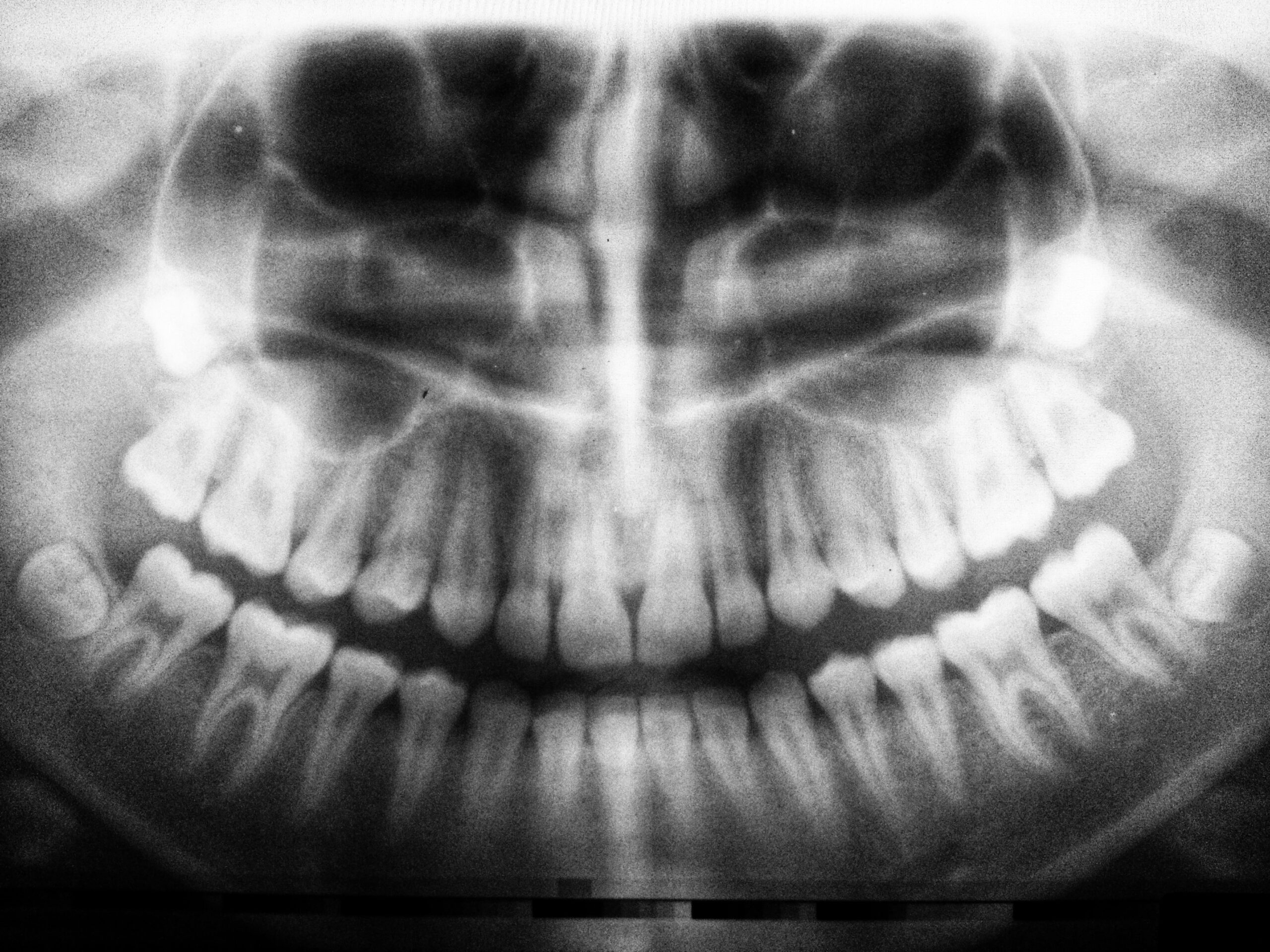
Dental X-rays ,also known as radiographs, are internal images of your teeth and jaws.They are part of the routine dental examination and help the dentist detect hidden problems . These could be tooth decay,low bone levels,root infection or buried roots.

Why are X-rays important?

Visual examination is not always sufficient to identify all of the problems in your mouth. Radiographs reveal conditions you may have not been aware of. Early detection of a problem will allow your dentist to diagnose and treat them before they become more serious.

How do the X-rays work?

While you seat in the dental chair your dentist will place special film or sensor in your mouth. They will then position X-ray machine tube over your face and press a button to capture the image.

What types of X-rays exist?

There are two main types of radiographs: intraoral and extraoral.

Intraoral: sensor or film is inside the mouth.

These could be bite wings,periapical or occlusal x-rays.They show different areas of the teeth.

Extraoral: sensor or film are outside your mouth

These are panoramic,cephalometric X-rays and CBCT scan. They show all of your teeth as well as jaws and skull structures.

Are dental X-rays safe?

Harmful effects from dental X-rays are very low because they give only a small amount of radiation. Digital X-rays in particular produce 80% less radiation than traditional ones. Radiographs though should not be taken more often than is necessary as in large doses they can increase cancer risk. It is also important for a female patient to advise their dentist if she is pregnant.

How often should I have X-rays?

Frequency of routine radiographs depends on the caries risk. The usual interval for a  healthy mouth is 12-18 months. In case of recurring decay or periodontal disease though the interval should be reduced to 6 months.

Dental hygienist in Wirral


What is dental hygienist in Wirral ?


Dental hygienist is a dental professional  who has received training  to provide preventative care and treat periodontal(gum) disease. They are integral part of the clinical team and  of critical importance for ensuring good oral health.


What is the role of the dental hygienist in the dental practice?


Dental hygienists assess your  gum health,prevent and treat gum disease if present.


They give  important advice on how to improve your oral hygiene in order to prevent  accumulation of plaque, gum inflammation and tooth decay.


Dental hygienist can also place fissure sealants,take X-rays and apply fluoride varnish.


Is it a requirement  for a dental practice to have hygienist on site?


It is not mandatory but is highly recommended. Dental hygienist works in close collaboration  with and under dentist’s supervision so that patients can benefit most. 


Why are the visits to dental hygienist so important?   


Sticky coating forms naturally  on teeth over the course of time because of fine food debris and bacteria that reside in mouth. If this coating  is not  removed when brushing  it turns in hard mass which we call tartar(calculus). Tartar causes soreness and bleeding of the gums and can be removed only by dental professional. .Hygienist eliminates plaque and tartar from teeth regularly . This ensures good gum health,sound teeth and fresh breath.


Can a dental  hygienist take care of children ?


They certainly can. Your children will get advice  about what diet they should stick to and dental hygienist  may alter their  home dental care  habits. They will will clean the plaque from children’s teeth and coat them with fluoride varnish.That will reinforce enamel and make teeth  more resilient to  decay.


How often should one see dental hygienist?


The usual frequency is 6 months. On some occasions though you should visit the hygienist more often. This could be the case if there is predisposition to gum disease in the family or you have hard-to-control form of periodontitis.


Is it painful to have dental hygiene treatment?


No,it isn’t. When you have healthy gums and  there is little to scale off the procedure is completely  pain free.You can request local anesthetic in case of having more sensitive teeth or deep debridement is necessary. 


Is it expensive to get treatment from dental hygienist?


Here,at Irby Dental Practice, we charge £70 for routine scale and polish. You can reduce and spread this cost though if you sign up to our  Denplan facility. If you want to book dental hygienist appoinment in Wirral please call 0151 648 1974.

Tooth crown in Wirral


What is a tooth  crown in Wirral?


Crown(cap) is an artificial tooth   that goes over your own tooth following preparation of the remaining structure. It improves the appearance of the  tooth and provides protection  against the destructive forces that develop when biting and chewing. 


When would I need a crown ?


This  usually happens  when teeth have  extensively broken down due to caries or trauma and fillings are no longer  restorative option.


Sometimes crown  could be requested  for purely cosmetic reasons  in order to give the  teeth more appealing look and boost confidence.


It is also a good practice to place crown on tooth that have undergone root canal treatment . This provides excellent seal for the root canal system and reduces the chance for contamination and infection in this part of the tooth.


What are  the crowns fabricated from ?


This is an area in the field of dentistry that has been continuously evolving. Most commonly following materials are being used:


.Porcelain bonded to metal crowns


They have metal infrastructure and porcelain on the top that matches the color of own  teeth. They are good all-rounders but require more extensive removal of tooth structure


. Entirely porcelain crowns. 


They look very natural but are not as strong as the porcelain bonded to metal counterparts. You would normally see them in the front of the mouth


. Gold crowns. 


They are very durable and need more conservative tooth preparation. Their main drawback is higher  cost as well as unsightly appearance. 


. Fully ceramic crowns


They contain no metal but are just as strong as the bonded crowns and are also very natural looking. These characteristics make them crowns of choice for both front and back mouth areas.


What does the process of making  crown involve?


The dentist will have to shape down the tooth that need crown using rotating, cutting instruments and a handpiece. The type of crown will dictate how much tooth tissue requires removal. Taking impressions is the next stage in the process Your dentist  will  send those to the dental laboratory,alongside tooth shade  and bite record, where the dental technician will manufacture the crown.


How long does it take to fabricate a crown?


It usually takes  1 week but with the the development of modern technologies crowns are sometimes ready to fit  just a few hours after the tooth preparation


How does a crown stay on the tooth ?


When the crown arrives in the office and appraisal is positive then is time to place it  onto the remaining tooth. Your dentist will secure the crown using dental cement or adhesive.


Does it hurt to have crown ?


No. You will get local anesthetic before the start of the tooth preparation. Your dentist will also  put temporary crown on so that there is no unpleasant sensitivity between your appointments.


How much does it cost?


The price for a crown significantly varies  depending on the material and method of fabrication.

As a Denplan patient here,at  Irby Dental Practice, you can enjoy considerable discount for this dental treatment.


How long will a crown last?


It depends on how much care you take of it. You should maintain as good oral hygiene as possible. Although the crowns cannot decay  themselves, the tooth underneath can do. Brushing twice a day is essential as well as removing plaque between teeth with floss or interdental brushes. Those measures will certainly prolong the lifetime of your crown.


Book your dental appointment with Irby Dental Practice today to boost your confidence and smile.

LEARN MORE