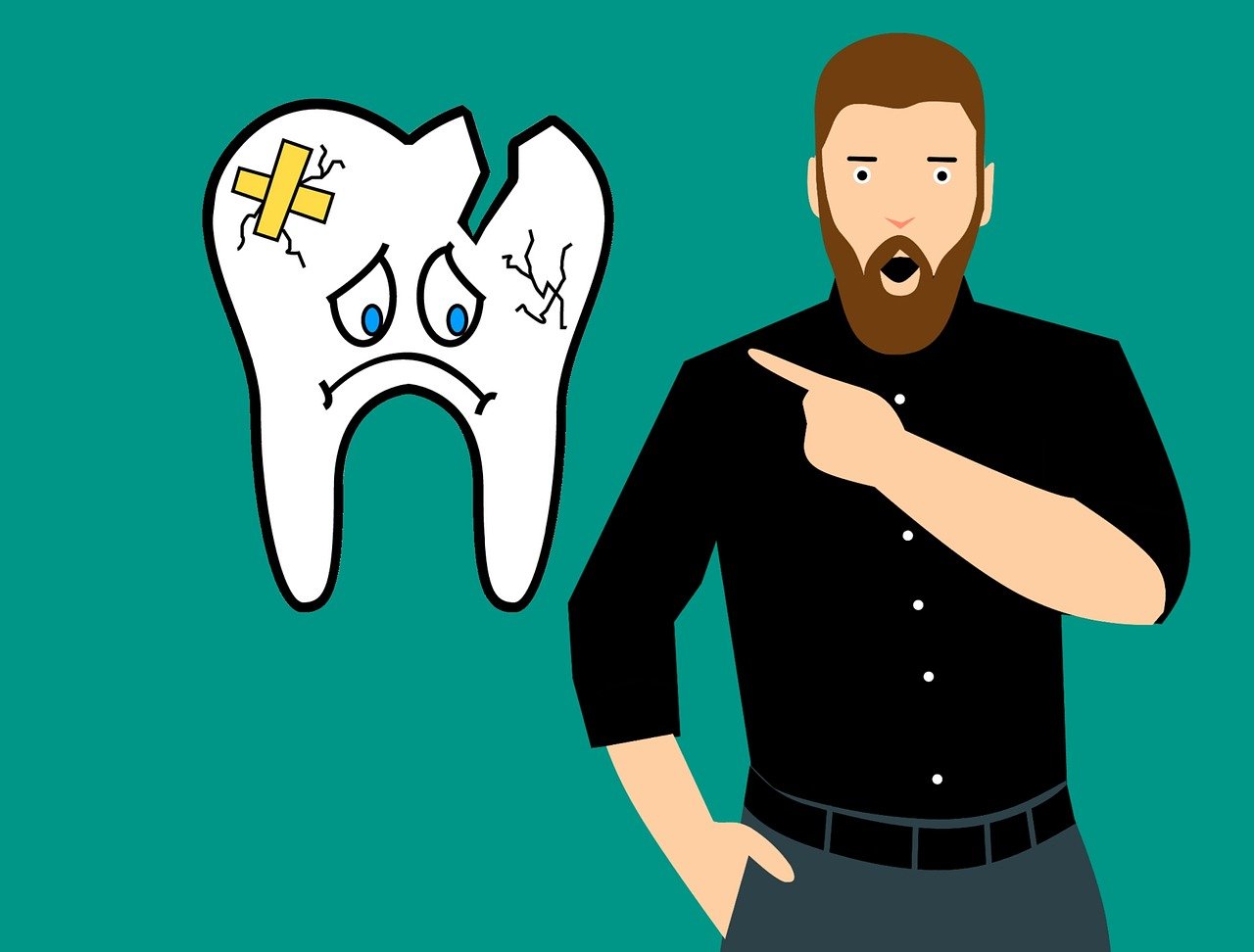
Dental trauma


What is dental trauma?


Dental trauma is a damage to the teeth ,soft tissues in the mouth as well  jaw bones.It usually occurs accidentally or during practicing sports and could require urgent treatment.


What types of dental trauma exist?


1.Trauma injury limited to the teeth- it  ranges from just a small enamel chip to extensive fracture affecting the tooth nerve(pulp)


2. Trauma  to the teeth extending down the root and sometimes involving the underlying jaw bone


3.Trauma to the tissues in close proximity to the teeth- it could make the tooth wobbly(subluxation),displace it(luxation) or completely  remove it from its socket(avulsion)


4.Trauma to the gums,and inner mouth lining (abrasion,contusion and laceration)


What are the symptoms of dental trauma?


They could widely vary. It might be just a rough tooth surface and  insignificant sensitivity when there is only a  minor enamel fracture. In other scenarios involving pulp exposure, tooth mobility or loss,there would be pain,bleeding and swelling.


What is the treatment for dental trauma?


It depends on the scale of the damage.


If there was no nerve involvement it would be a case of just doing a filling or crown.


If there was pulp exposure then root canal therapy would be necessary in order to safe the tooth.


When the thave suffered luxation  they will require repositioning as well as stabilizing splinting.  


You  might be able to save an avulsed tooth if prompt replantation is performed otherwise you may loose it. Time is of critical importance. If you received treatment within 1 hour of the avulsion the chances to keep the tooth would be good.

 Is there prevention of dental trauma?


The most common way of protecting teeth against dental injuries  while practicing  contact sports  is by using a mouthguard. This is  made of elastic material that reduces the force of  impact and  also minimizes the risk of severe injury. 


People who suffer from destructive grinding overnight would benefit from using  night guard.


We should try and avoid chewing hard foods or biting on hard objects as this could lead to dental injuries.


Additionally seatbelts are of paramount importance for providing protection in motor vehicles.


Furthermore helmets are highly recommendable to use while riding a bicycle.


If you have  experienced dental trauma and require professional help,please contact Irby Dental Practice at your earliest convenience.

 

Teeth sensitivity

What is teeth sensitivity?


The experience could vary from mild twinge and insignificant discomfort to sharp,brief shock and even  pain   lasting for hours. It could also indicate that there is more serious problem that requires further investigation.


What causes sensitivity to teeth?


The outer layer of the teeth is called enamel. It has a role of  a shield that covers and protects the   main tooth substance,tooth  dentine. When the enamel  wears down that exposes the underlying dentine and results in development of sensitivity. 


Possible causes for for teeth sensitivity  are:


1/ Over enthusiastic  tooth brushing  or employing incorrect brushing technique  thatcould lead to loss of enamel. This usually occurs  at the area where gums join the tooth


2/ Gum disease and gum recession could be another reason. Build-up of tartar  makes the gum tissue drift away from the tooth  which results in  exposure of the root surface.


3/ Dental erosion. This is when the enamel is lost because of frequent consumption of acidic foods and drinks


4/ Grinding teeth could cause the enamel to wear away over the course of the time


5/Tooth decay or tooth fracture could expose the dentine


6/ Teeth whitening may lead to increased sensitivity but this  is transient and  normally easy to manage


What should I do when I have sensitive teeth?


You should avoid foods and drinks that are very  hot,cold or sweet . Using toothpastes designed for sensitive teeth could be very beneficial. You can rub  this  in the teeth as an ointment in order to achieve quicker relief. Sensitivity should not prevent you from maintaining  good oral hygiene.


What treatment can be provided when having sensitive teeth?


Your dentist will apply fluoride products such as gels,rinses or varnishes. If the problem is more advanced you may need some type of restoration or even root canal therapy.


Can teeth sensitivity be prevented ?


You have to brush your teeth regularly using the correct brushing technique in order to avoid gum recession and enamel wear. Powered tooth brushes are very good as they have pressure sensors that indicate when you are using too much force.


You should consume sugary foods and fizzy drinks  in minimal amounts and at meal times only.


If you are aware of clenching teeth overnight or during the day do speak to your dentist as soon as possible. They will be able to advise what is the right course of action.


Book your dental appointment with Irby Dental Practice today to boost your confidence and smile.

LEARN MORE