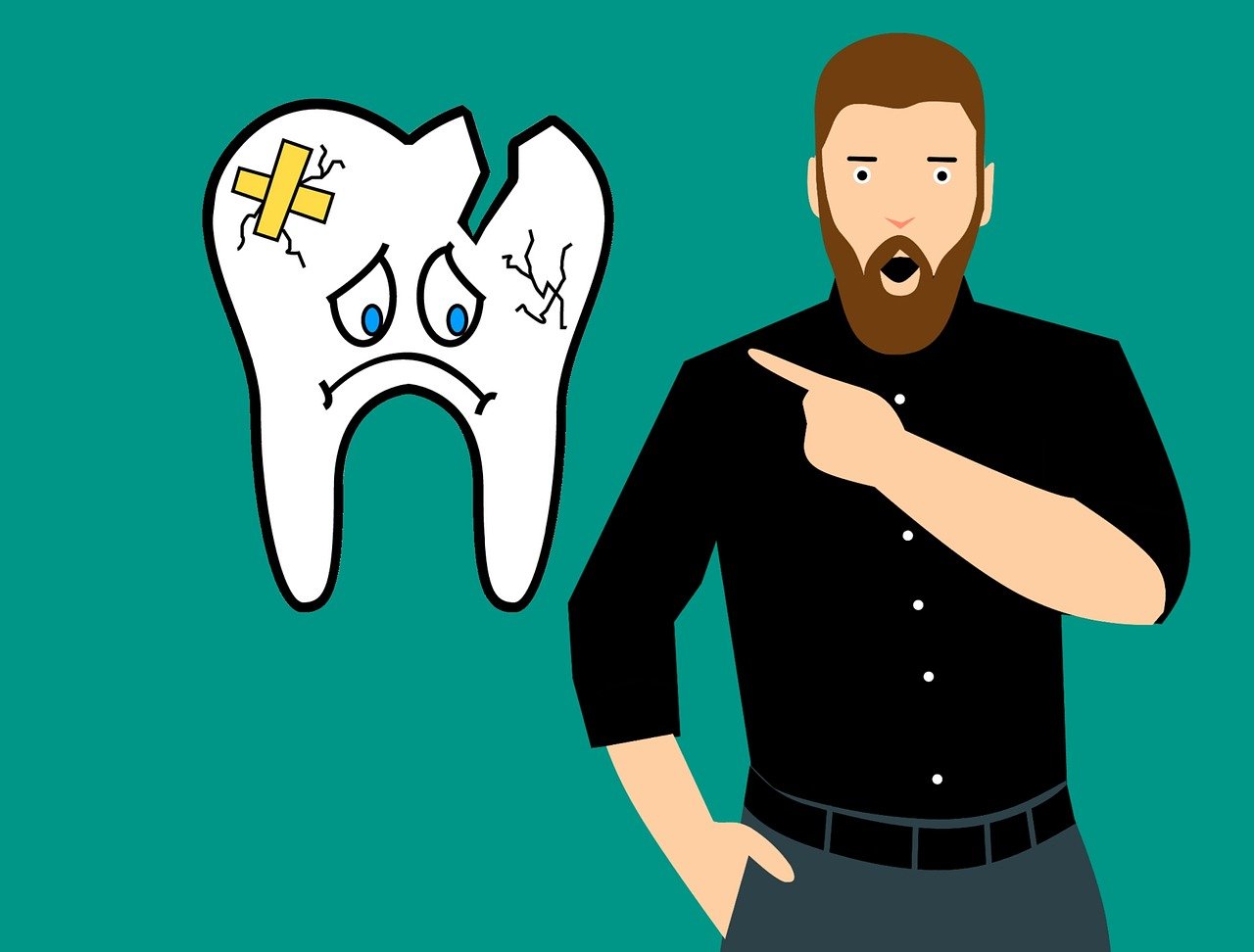
Dental trauma


What is dental trauma?


Dental trauma is a damage to the teeth ,soft tissues in the mouth as well  jaw bones.It usually occurs accidentally or during practicing sports and could require urgent treatment.


What types of dental trauma exist?


1.Trauma injury limited to the teeth- it  ranges from just a small enamel chip to extensive fracture affecting the tooth nerve(pulp)


2. Trauma  to the teeth extending down the root and sometimes involving the underlying jaw bone


3.Trauma to the tissues in close proximity to the teeth- it could make the tooth wobbly(subluxation),displace it(luxation) or completely  remove it from its socket(avulsion)


4.Trauma to the gums,and inner mouth lining (abrasion,contusion and laceration)


What are the symptoms of dental trauma?


They could widely vary. It might be just a rough tooth surface and  insignificant sensitivity when there is only a  minor enamel fracture. In other scenarios involving pulp exposure, tooth mobility or loss,there would be pain,bleeding and swelling.


What is the treatment for dental trauma?


It depends on the scale of the damage.


If there was no nerve involvement it would be a case of just doing a filling or crown.


If there was pulp exposure then root canal therapy would be necessary in order to safe the tooth.


When the thave suffered luxation  they will require repositioning as well as stabilizing splinting.  


You  might be able to save an avulsed tooth if prompt replantation is performed otherwise you may loose it. Time is of critical importance. If you received treatment within 1 hour of the avulsion the chances to keep the tooth would be good.

 Is there prevention of dental trauma?


The most common way of protecting teeth against dental injuries  while practicing  contact sports  is by using a mouthguard. This is  made of elastic material that reduces the force of  impact and  also minimizes the risk of severe injury. 


People who suffer from destructive grinding overnight would benefit from using  night guard.


We should try and avoid chewing hard foods or biting on hard objects as this could lead to dental injuries.


Additionally seatbelts are of paramount importance for providing protection in motor vehicles.


Furthermore helmets are highly recommendable to use while riding a bicycle.


If you have  experienced dental trauma and require professional help,please contact Irby Dental Practice at your earliest convenience.

 

Dental Emergency

Dental pain for many is probably the worst thing they can imagine.

It could have devastating impact on your everyday activities affecting abilities to be productive in work, enjoy food and could also keep you awake overnight. All of the above inevitably reduces the quality of life and therefore requires urgent dental help.

What is actually classed as a dental emergency?

Dental emergency is a severe and continuous pain that is not affected by any painkillers, spreading facial swelling , cracked or knocked out tooth, persistent bleeding following tooth removal or soft tissue injury.

What can you do to help yourself with dental emergencies?

  1. If you have a broken tooth:

  • Rinse with antiseptic mouthwash or lukewarm salty water and try to apply an over-the-counter temporary filling until you get to see your dentist
  • Take Paracetamol if you experience pain
  1. If you have swelling:

  • Apply cold compress
  • Take Paracetamol or other painkiller
  • Rinse with warm water and rub numbing gel into the area next to the culprit
  • Book an appointment with your dentist urgently
  1. If your tooth has been knocked out:

  • Do not touch the root of the tooth with your fingers
  • Try and place the tooth back in the its socket and bite down, but if you struggle to do so just put it in a cup of milk or directly in your mouth (between gums and cheek) in order to keep it moist
  1. Continuous bleeding after tooth extraction:

  • Rinse with water
  • Apply clean pack over the socket and bite firmly for at least 20 minutes
  • Call your dentist or go to A&E if bleeding is still uncontrolled

What will the dentist do when you attend an emergency appointment?

  • You may need to have the causative tooth removed
  • You may need to have root canal treatment which could save your tooth

This usually requires a couple of appointments after the emergency visit and involves taking the inflamed or infected tooth nerve out of the tooth, shaping and widening of the root canal in the tooth root, followed by placement of root sealer and then normal tooth filling

  • In some cases your dentist may have to cut into the abscess in order to release the pressure built up as well as to give the pus collected under the skin a way out

Note! All of the above treatments are done under local anaesthetic so that you not to feel any pain.

What can I do to avoid dental emergencies?

  • Attend at least twice a year for routine check-ups
  • Maintain excellent oral hygiene at home
  • Reduce sugar content in your everyday diet

At Irby Dental Practice we are passionate about taking care of our patients and being there for them at the moment when they most need us and we have dedicated slots for emergency appointments every day.

If you want to arrange an emergency dental appointment please do not hesitate to call 0151 648 1974 and we will be more than happy to help.

Book your dental appointment with Irby Dental Practice today to boost your confidence and smile.

LEARN MORE