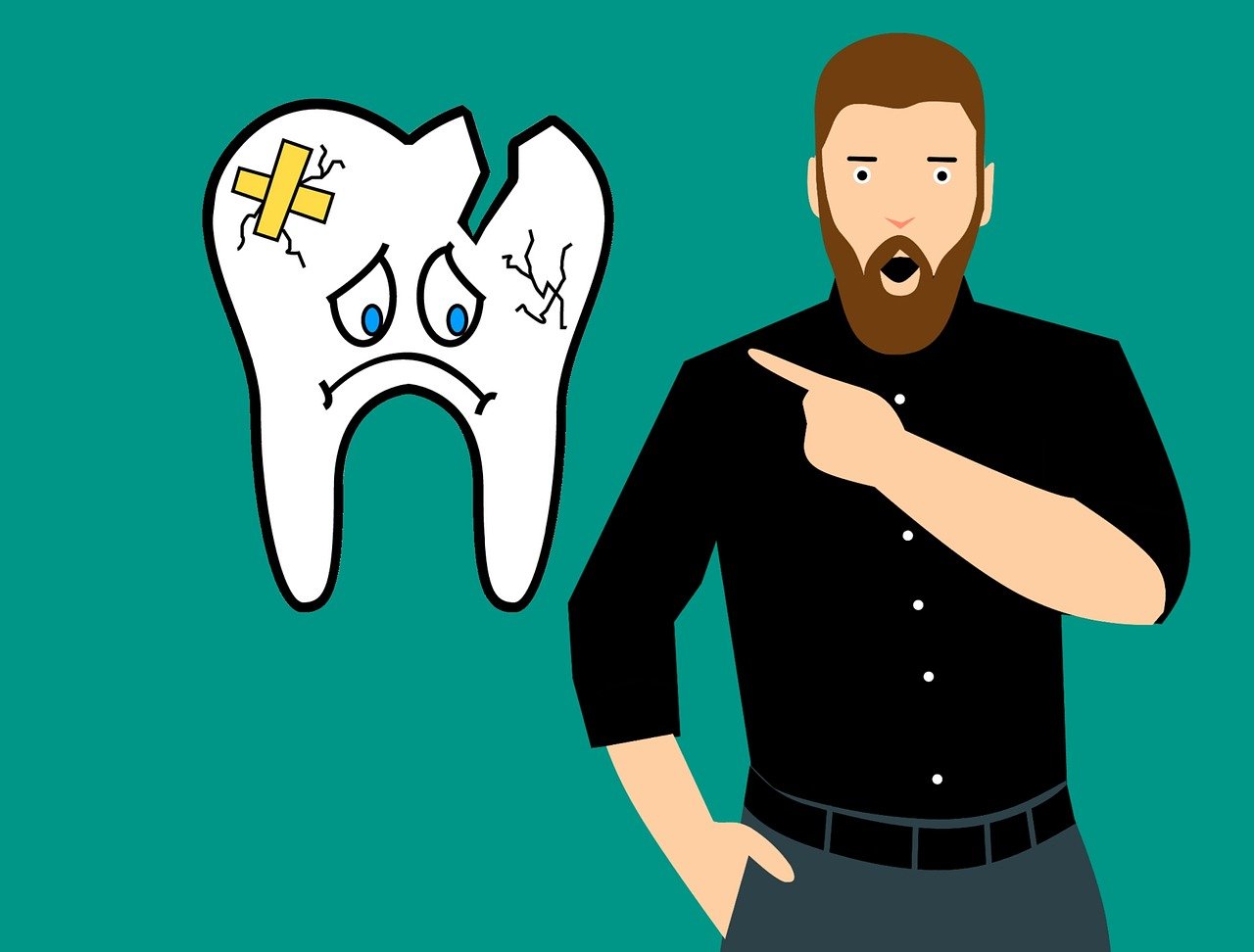
Dental trauma


What is dental trauma?


Dental trauma is a damage to the teeth ,soft tissues in the mouth as well  jaw bones.It usually occurs accidentally or during practicing sports and could require urgent treatment.


What types of dental trauma exist?


1.Trauma injury limited to the teeth- it  ranges from just a small enamel chip to extensive fracture affecting the tooth nerve(pulp)


2. Trauma  to the teeth extending down the root and sometimes involving the underlying jaw bone


3.Trauma to the tissues in close proximity to the teeth- it could make the tooth wobbly(subluxation),displace it(luxation) or completely  remove it from its socket(avulsion)


4.Trauma to the gums,and inner mouth lining (abrasion,contusion and laceration)


What are the symptoms of dental trauma?


They could widely vary. It might be just a rough tooth surface and  insignificant sensitivity when there is only a  minor enamel fracture. In other scenarios involving pulp exposure, tooth mobility or loss,there would be pain,bleeding and swelling.


What is the treatment for dental trauma?


It depends on the scale of the damage.


If there was no nerve involvement it would be a case of just doing a filling or crown.


If there was pulp exposure then root canal therapy would be necessary in order to safe the tooth.


When the thave suffered luxation  they will require repositioning as well as stabilizing splinting.  


You  might be able to save an avulsed tooth if prompt replantation is performed otherwise you may loose it. Time is of critical importance. If you received treatment within 1 hour of the avulsion the chances to keep the tooth would be good.

 Is there prevention of dental trauma?


The most common way of protecting teeth against dental injuries  while practicing  contact sports  is by using a mouthguard. This is  made of elastic material that reduces the force of  impact and  also minimizes the risk of severe injury. 


People who suffer from destructive grinding overnight would benefit from using  night guard.


We should try and avoid chewing hard foods or biting on hard objects as this could lead to dental injuries.


Additionally seatbelts are of paramount importance for providing protection in motor vehicles.


Furthermore helmets are highly recommendable to use while riding a bicycle.


If you have  experienced dental trauma and require professional help,please contact Irby Dental Practice at your earliest convenience.
 

Dental hygienist in Wirral


What is dental hygienist in Wirral ?


Dental hygienist is a dental professional  who has received training  to provide preventative care and treat periodontal(gum) disease. They are integral part of the clinical team and  of critical importance for ensuring good oral health.


What is the role of the dental hygienist in the dental practice?


Dental hygienists assess your  gum health,prevent and treat gum disease if present.


They give  important advice on how to improve your oral hygiene in order to prevent  accumulation of plaque, gum inflammation and tooth decay.


Dental hygienist can also place fissure sealants,take X-rays and apply fluoride varnish.


Is it a requirement  for a dental practice to have hygienist on site?


It is not mandatory but is highly recommended. Dental hygienist works in close collaboration  with and under dentist’s supervision so that patients can benefit most. 


Why are the visits to dental hygienist so important?   


Sticky coating forms naturally  on teeth over the course of time because of fine food debris and bacteria that reside in mouth. If this coating  is not  removed when brushing  it turns in hard mass which we call tartar(calculus). Tartar causes soreness and bleeding of the gums and can be removed only by dental professional. .Hygienist eliminates plaque and tartar from teeth regularly . This ensures good gum health,sound teeth and fresh breath.


Can a dental  hygienist take care of children ?


They certainly can. Your children will get advice  about what diet they should stick to and dental hygienist  may alter their  home dental care  habits. They will will clean the plaque from children’s teeth and coat them with fluoride varnish.That will reinforce enamel and make teeth  more resilient to  decay.


How often should one see dental hygienist?


The usual frequency is 6 months. On some occasions though you should visit the hygienist more often. This could be the case if there is predisposition to gum disease in the family or you have hard-to-control form of periodontitis.


Is it painful to have dental hygiene treatment?


No,it isn’t. When you have healthy gums and  there is little to scale off the procedure is completely  pain free.You can request local anesthetic in case of having more sensitive teeth or deep debridement is necessary. 


Is it expensive to get treatment from dental hygienist?


Here,at Irby Dental Practice, we charge £70 for routine scale and polish. You can reduce and spread this cost though if you sign up to our  Denplan facility. If you want to book dental hygienist appoinment in Wirral please call 0151 648 1974.

How to choose your toothbrush?

The first toothbrush was probably seen around 3000 BCE. It was actually a frayed twig created by the Babylonians and Egyptians. Accorrding to other sources around 1600 BCE Chinese created sticks from aromatic trees twigs to help freshen their breath.

William Addis made the first toothbrush to be produced on a large scale in 1770- he used bone and hair bristles.

The toothbrush as we know it today was invented in 1938 by the DuPont company. This had nylon fibers making it more robust and eficient than animal hair.

We cannot stress enough the importance of maintaining good oral hygiene. Not only is this critical for the health of your teeth and gums but also for the overall welbeing . It has been proved there is a strong link between poor oral health and heart disease,cancer,diabetes,infertility,dimentia etc.

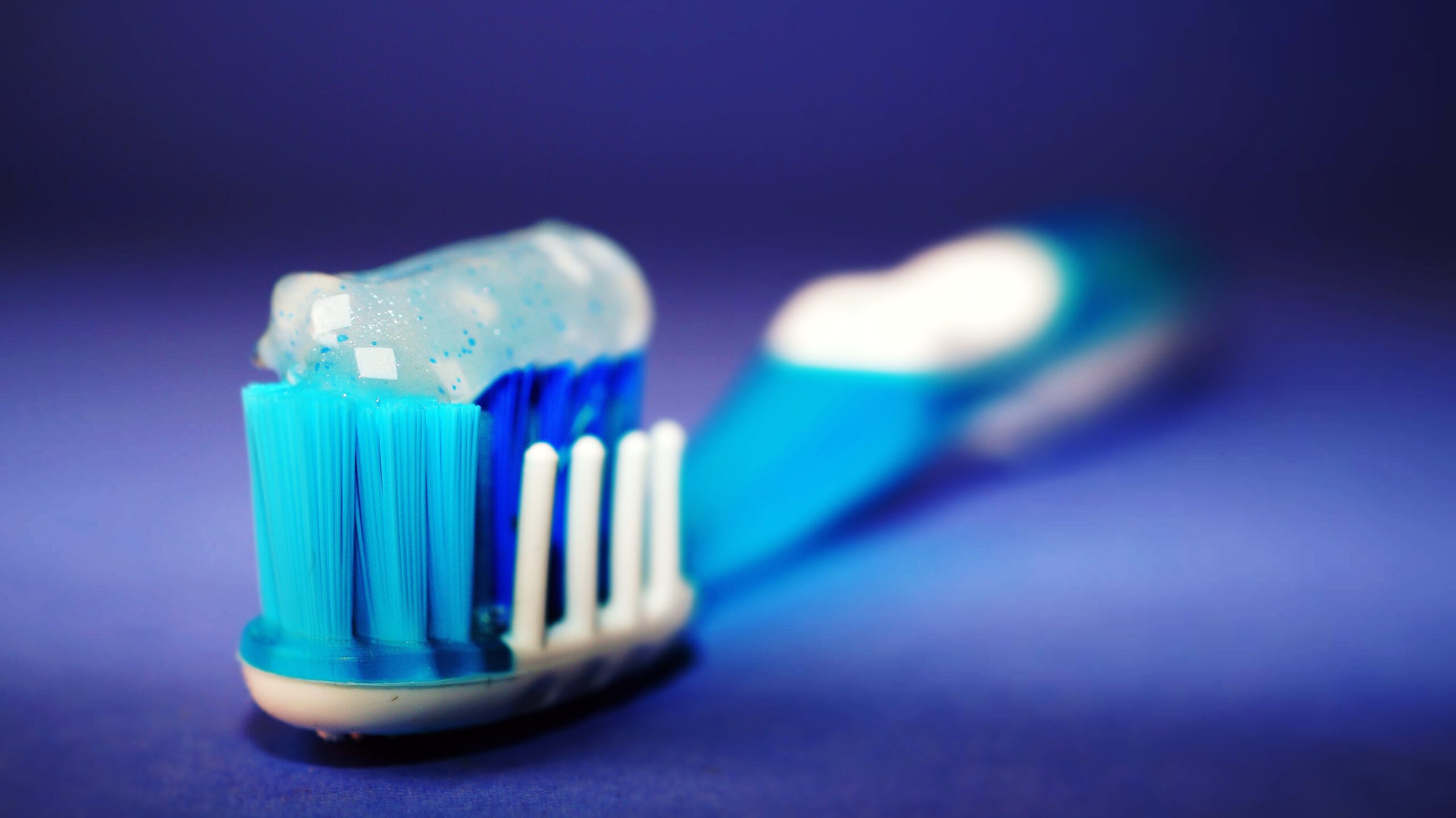
The best way to achieve dental health is to properly select and use your toothbrush.

Nowadays there is a great variety of oral health products on the shelves and chossing the right toothbrush for you could sometimes be a hard task.

So, what shall we look at when bying a toothbrush?

1/Size of toothbrush head

You should be able to access all the surfaces of even the furthermost teeth. That’s why we,at Irby Dental Practice, recommend small-headed toothbrush to make this job easier

2/Type of bristles

Soft bristles are generally more appropriate to use especially if you are prone to or already have gum disease. Hard or medium options could cause enamel to wear or gums to bleed . To put it simple healthier gums can allow use of a little bit harder bristles and withstand more enthusiastic brushing

3/Manual or powered?

It doesn’t actualy mattter as long as you brush your teeth twice a day for two minutes employing the right technique. This will be enough to remove the buld-up from your teeth which will significantly reduce the chances for tooth decay or gum disesase.

There are certain situations though where the electric toothbrush should be the one of choice:

  • if you have limited mobility

  • if you tend to brush too hard: most of the electic toothbrushes have pressure sensors to help you balance the force you apply when cleaning your teeth

4/ What handle?

Generally speaking – it should be comfortable , easy to hold, ideally non-slip grip to allow better control of the head movement along the dental arch

5/ How would you know when your toothbrush needs replacing?

This is usually every 3 months or when you notice that the bristles are bent, stiff or they just start to fall out.

Worn toothbrush would certainly clean less and could also give you bad breath so make sure you know when to dispose of your old hygiene tool.

If you need any further information on how to look after your teeth , feel free to contact us and we would be more than  happy to help.

Book your dental appointment with Irby Dental Practice today to boost your confidence and smile.

LEARN MORE