Dental veneer in Wirral


What is dental veneer in Wirral?


Basically, a dental veneer is a thin layer of artificial material applied to the front surface of a tooth. It helps to improve the appearance by fixing issues as chipping,irregular shape, inadequate size, gaps ,stains  or  discolouration. Cosmetic dental procedures like these are extremely popular.


Are there different types of dental veneers ?


It is possible to fabricate dental veneers at a dental laboratory (indirectly) or in a patient’s mouth as they seat in a dental chair (directly).


With the first type technicians  produce the veneers by using impressions that the dentist has taken at the  surgery. These veneers are either porcelain or ceramic. The ceramic veneers require less tooth preparation and are therefore more conservative. The porcelain ones though can last longer. 


Dental therapists or dentists perform direct veneers chairside with composite. They either sculpture the veneers free-hand or  heat a material that is  then mould-injected. These veneers are not as durable as the direct ones and would need changing and refreshing more frequently,normally every 5 to 7 years.


Does it take  long to get a veneer?


It requires only one appointment to make direct  veneers. The dental professional will remove a small amount of enamel before placing a very  thin layer of composite material. In some cases there would be no need to take anything off the tooth.


For an  indirect veneer patient will have to go to the dental office twice. During the first appointment the dentist will  cut  about 0.5 mm from the front side of the tooth and take impressions to send to the dental laboratory. There the technician  will  fabricate the veneer and then return it to the the surgery for test and fit. 


Do dental veneers need maintenance?


Composite  veneers can acquire stains and that’s why it is important to avoid certain foods and drinks such as tea,coffee,red wine or curry.


Porcelain and ceramic veneers are more resilient but can chip,fracture or debond from the teeth.


Excellent oral hygiene is essential. You have to use soft toothbrush and to regularly clean between teeth with floss,interdental brushes or water flosser. Plaque accumulation can result in tooth decay and gum inflammation which would compromise the outcome from the  treatment . Regular visits to see your dentist are  therefore of critical importance.


If you want to find more about dental veneer in Wirral , please get in touch with Irby Dental Practice on 0151 648 1974 and we would be happy to answer all of your questions.
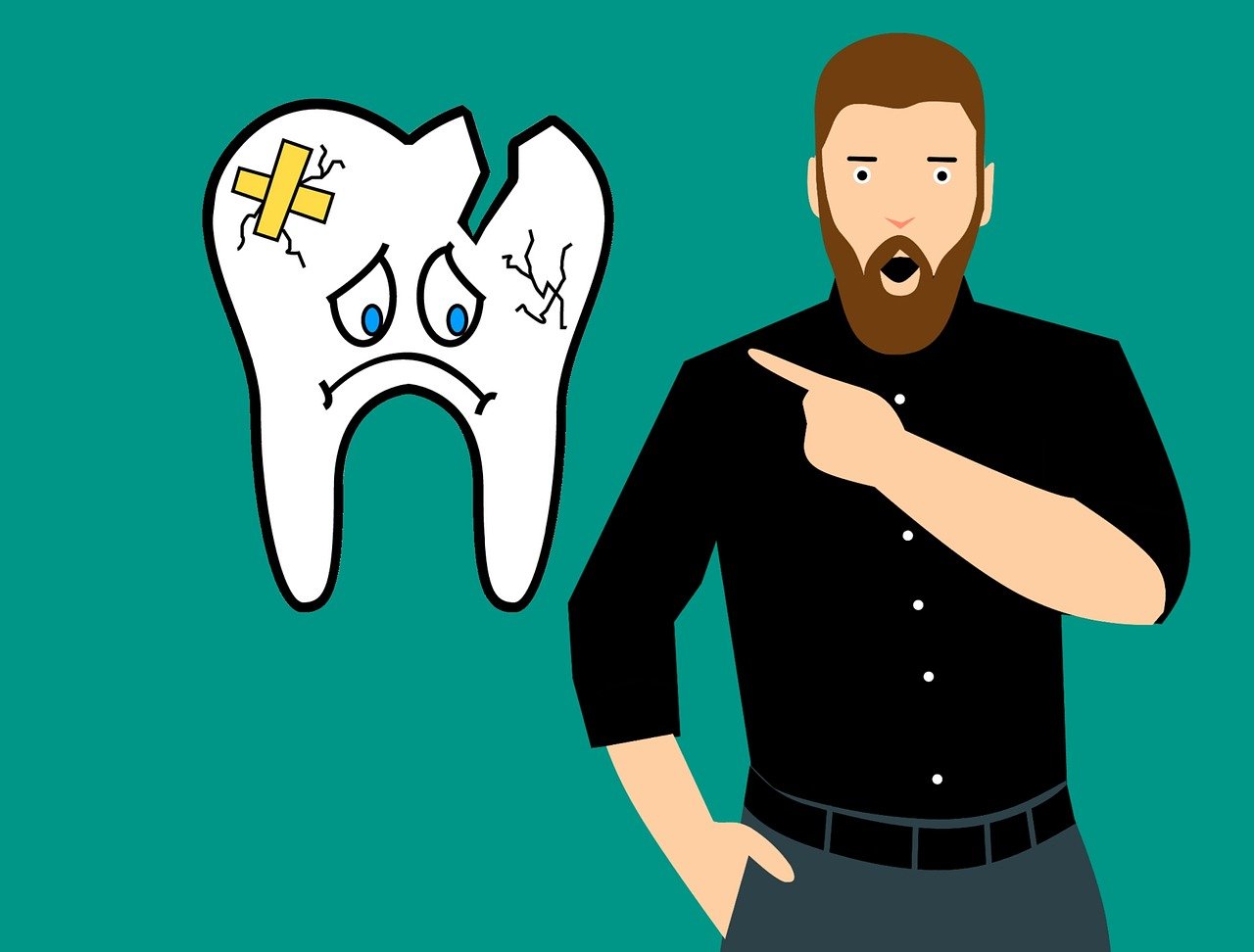


Dental trauma


What is dental trauma?


Dental trauma is a damage to the teeth ,soft tissues in the mouth as well  jaw bones.It usually occurs accidentally or during practicing sports and could require urgent treatment.


What types of dental trauma exist?


1.Trauma injury limited to the teeth- it  ranges from just a small enamel chip to extensive fracture affecting the tooth nerve(pulp)


2. Trauma  to the teeth extending down the root and sometimes involving the underlying jaw bone


3.Trauma to the tissues in close proximity to the teeth- it could make the tooth wobbly(subluxation),displace it(luxation) or completely  remove it from its socket(avulsion)


4.Trauma to the gums,and inner mouth lining (abrasion,contusion and laceration)


What are the symptoms of dental trauma?


They could widely vary. It might be just a rough tooth surface and  insignificant sensitivity when there is only a  minor enamel fracture. In other scenarios involving pulp exposure, tooth mobility or loss,there would be pain,bleeding and swelling.


What is the treatment for dental trauma?


It depends on the scale of the damage.


If there was no nerve involvement it would be a case of just doing a filling or crown.


If there was pulp exposure then root canal therapy would be necessary in order to safe the tooth.


When the thave suffered luxation  they will require repositioning as well as stabilizing splinting.  


You  might be able to save an avulsed tooth if prompt replantation is performed otherwise you may loose it. Time is of critical importance. If you received treatment within 1 hour of the avulsion the chances to keep the tooth would be good.

 Is there prevention of dental trauma?


The most common way of protecting teeth against dental injuries  while practicing  contact sports  is by using a mouthguard. This is  made of elastic material that reduces the force of  impact and  also minimizes the risk of severe injury. 


People who suffer from destructive grinding overnight would benefit from using  night guard.


We should try and avoid chewing hard foods or biting on hard objects as this could lead to dental injuries.


Additionally seatbelts are of paramount importance for providing protection in motor vehicles.


Furthermore helmets are highly recommendable to use while riding a bicycle.


If you have  experienced dental trauma and require professional help,please contact Irby Dental Practice at your earliest convenience.


Book your dental appointment with Irby Dental Practice today to boost your confidence and smile.

LEARN MORE