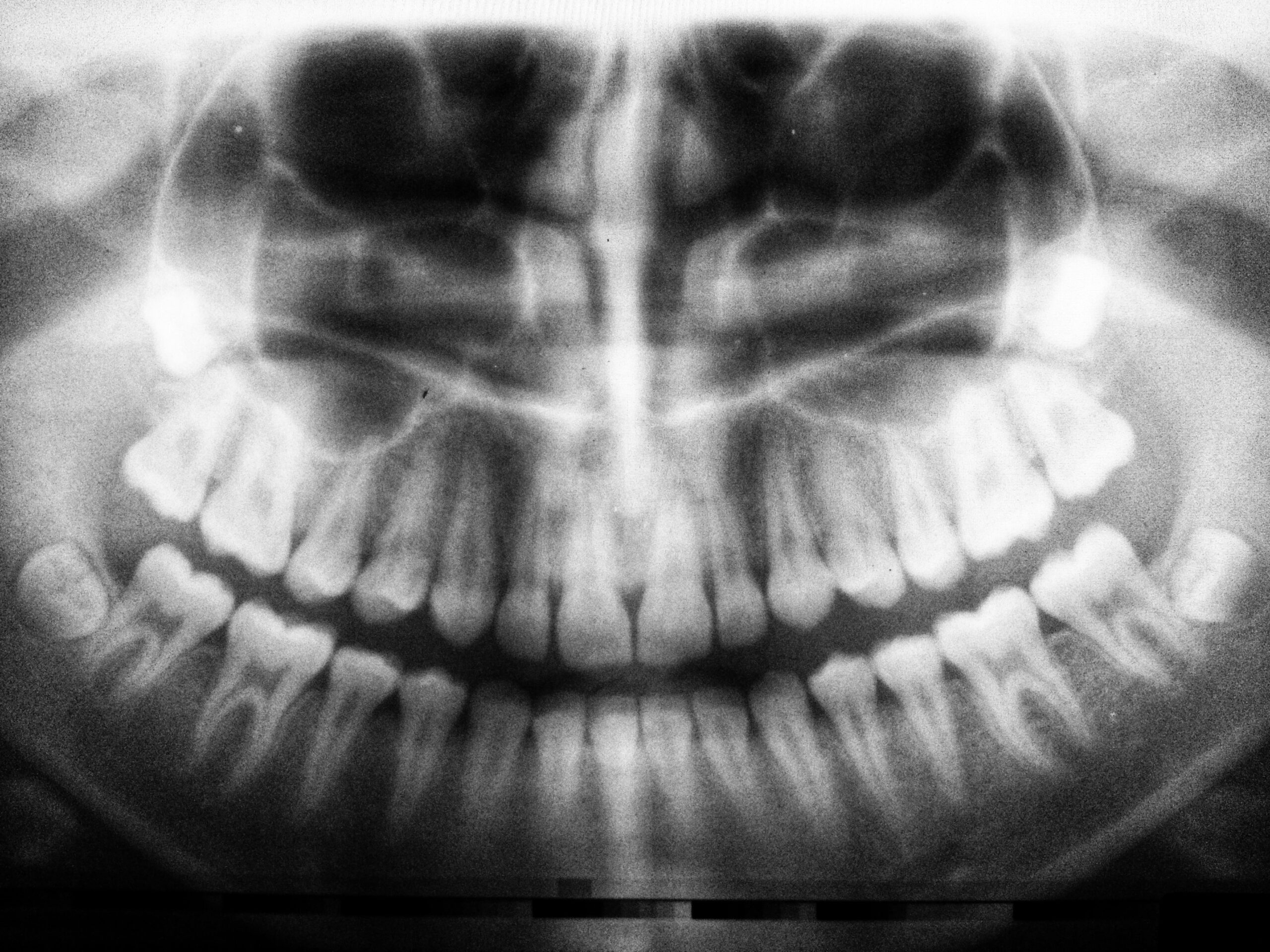
Dental X-rays


What are dental X-rays?

Dental X-rays ,also known as radiographs, are internal images of your teeth and jaws.They are part of the routine dental examination and help the dentist detect hidden problems . These could be tooth decay,low bone levels,root infection or buried roots.

Why are X-rays important?

Visual examination is not always sufficient to identify all of the problems in your mouth. Radiographs reveal conditions you may have not been aware of. Early detection of a problem will allow your dentist to diagnose and treat them before they become more serious.

How do the X-rays work?

While you seat in the dental chair your dentist will place special film or sensor in your mouth. They will then position X-ray machine tube over your face and press a button to capture the image.

What types of X-rays exist?

There are two main types of radiographs: intraoral and extraoral.

Intraoral: sensor or film is inside the mouth.

These could be bite wings,periapical or occlusal x-rays.They show different areas of the teeth.

Extraoral: sensor or film are outside your mouth

These are panoramic,cephalometric X-rays and CBCT scan. They show all of your teeth as well as jaws and skull structures.

Are dental X-rays safe?

Harmful effects from dental X-rays are very low because they give only a small amount of radiation. Digital X-rays in particular produce 80% less radiation than traditional ones. Radiographs though should not be taken more often than is necessary as in large doses they can increase cancer risk. It is also important for a female patient to advise their dentist if she is pregnant.

How often should I have X-rays?

Frequency of routine radiographs depends on the caries risk. The usual interval for a  healthy mouth is 12-18 months. In case of recurring decay or periodontal disease though the interval should be reduced to 6 months.

Dental Emergency

Dental pain for many is probably the worst thing they can imagine.

It could have devastating impact on your everyday activities affecting abilities to be productive in work, enjoy food and could also keep you awake overnight. All of the above inevitably reduces the quality of life and therefore requires urgent dental help.

What is actually classed as a dental emergency?

Dental emergency is a severe and continuous pain that is not affected by any painkillers, spreading facial swelling , cracked or knocked out tooth, persistent bleeding following tooth removal or soft tissue injury.

What can you do to help yourself with dental emergencies?

  1. If you have a broken tooth:

  • Rinse with antiseptic mouthwash or lukewarm salty water and try to apply an over-the-counter temporary filling until you get to see your dentist
  • Take Paracetamol if you experience pain
  1. If you have swelling:

  • Apply cold compress
  • Take Paracetamol or other painkiller
  • Rinse with warm water and rub numbing gel into the area next to the culprit
  • Book an appointment with your dentist urgently
  1. If your tooth has been knocked out:

  • Do not touch the root of the tooth with your fingers
  • Try and place the tooth back in the its socket and bite down, but if you struggle to do so just put it in a cup of milk or directly in your mouth (between gums and cheek) in order to keep it moist
  1. Continuous bleeding after tooth extraction:

  • Rinse with water
  • Apply clean pack over the socket and bite firmly for at least 20 minutes
  • Call your dentist or go to A&E if bleeding is still uncontrolled

What will the dentist do when you attend an emergency appointment?

  • You may need to have the causative tooth removed
  • You may need to have root canal treatment which could save your tooth

This usually requires a couple of appointments after the emergency visit and involves taking the inflamed or infected tooth nerve out of the tooth, shaping and widening of the root canal in the tooth root, followed by placement of root sealer and then normal tooth filling

  • In some cases your dentist may have to cut into the abscess in order to release the pressure built up as well as to give the pus collected under the skin a way out

Note! All of the above treatments are done under local anaesthetic so that you not to feel any pain.

What can I do to avoid dental emergencies?

  • Attend at least twice a year for routine check-ups
  • Maintain excellent oral hygiene at home
  • Reduce sugar content in your everyday diet

At Irby Dental Practice we are passionate about taking care of our patients and being there for them at the moment when they most need us and we have dedicated slots for emergency appointments every day.

If you want to arrange an emergency dental appointment please do not hesitate to call 0151 648 1974 and we will be more than happy to help.

Book your dental appointment with Irby Dental Practice today to boost your confidence and smile.

LEARN MORE