

Pregnancy can make women more susceptible to dental issues such as gum disease and cavities. Hormonal changes, particularly increases in progesterone and estrogen, can make gums more sensitive and prone to inflammation and bleeding. This condition, known as pregnancy gingivitis, affects nearly 60-75% of pregnant women. Additionally, increased acidity in the mouth due to morning sickness can contribute to enamel erosion. Understanding these changes and taking proactive steps can help prevent dental problems and promote overall health during pregnancy.
Tip 1: Maintain a Rigorous Oral Hygiene Routine
Importance of Oral Hygiene
A rigorous oral hygiene routine is the cornerstone of good dental health during pregnancy. Hormonal changes can exacerbate dental issues, making it more important than ever to stick to a strict oral care routine. Brushing and flossing help remove plaque. Plaque buildup can lead to cavities and gum disease, both of which can have serious consequences if left untreated.
Brushing with Fluoride Toothpaste
Using fluoride toothpaste is essential during pregnancy. Fluoride strengthens tooth enamel and helps prevent decay. Brush your teeth twice daily—once in the morning and once before bed—with a fluoride toothpaste. Make sure to brush for at least two minutes each time, using gentle circular motions to clean all surfaces of your teeth. Pay special attention to the gum line, where plaque tends to accumulate.
Flossing Daily
Flossing is just as important as brushing. It removes plaque and food particles from between your teeth and under the gumline, areas that a toothbrush can’t reach. Floss at least once a day, ideally before bedtime. If traditional floss is difficult to use, consider floss picks or an interdental cleaner.
Using Mouthwash
Incorporating an antimicrobial or fluoride mouthwash into your daily routine can provide additional protection against cavities and gum disease. Mouthwash helps reduce plaque and bacteria in the mouth, reaching areas that brushing and flossing might miss. Choose a mouthwash that is alcohol-free and safe for use during pregnancy. Don’t use mouthwash after brushing, instead use it as a way to maintain a clean mouth throughout the day.
Hydration
Staying hydrated is crucial for maintaining oral health. Drinking plenty of water helps wash away food particles and bacteria, and stimulates saliva production. Saliva is your mouth’s natural defence against decay, neutralising acids produced by bacteria. Aim to drink at least eight glasses of water a day, more if you’re experiencing morning sickness or are particularly active.
Tip 2: Schedule Regular Dental Check-ups
Importance of Dental Check-ups
Regular dental check-ups are essential during pregnancy to monitor and maintain oral health. Dental visits allow for early detection and management of potential issues such as gum disease and cavities, which can be exacerbated by pregnancy-related hormonal changes.
Informing Your Dentist
It’s important to inform your dentist about your pregnancy at the outset of your visit. This information allows your dentist to provide care that is safe and tailored to your needs. Certain dental procedures and medications may need to be adjusted or postponed to protect you and your baby.
Frequency of Visits
During pregnancy, it’s recommended to have at least one dental check-up per trimester. However, if you have existing dental issues or develop symptoms such as bleeding gums or tooth pain, more frequent visits may be necessary. Your dentist will provide a schedule that best suits your needs.
Tip 3: Manage Pregnancy Gingivitis

Understanding Pregnancy Gingivitis
Pregnancy gingivitis is a common condition characterised by swollen, red, and bleeding gums. It’s caused by hormonal changes that increase blood flow to the gums, making them more sensitive and susceptible to inflammation. Symptoms typically begin to appear in the second trimester and can persist throughout pregnancy.
Symptoms of Pregnancy Gingivitis
Common symptoms of pregnancy gingivitis include:
- Red, swollen gums
- Bleeding when brushing or flossing
- Tender or painful gums
- Bad breath
If left untreated, pregnancy gingivitis can progress to more severe forms of gum disease, such as periodontitis, which can have serious implications for both maternal and fetal health.
Managing Pregnancy Gingivitis
To manage pregnancy gingivitis, it’s important to maintain a diligent oral hygiene routine. Brush twice daily with fluoride toothpaste and floss daily to remove plaque. Use an antimicrobial mouthwash to help reduce bacteria in your mouth.
Gentle brushing with a soft-bristled toothbrush can help prevent further irritation of the gums. Avoid aggressive brushing, which can exacerbate inflammation and bleeding. If your symptoms persist despite good oral hygiene practices, consult your dentist for further evaluation and treatment.
Professional Cleaning
Professional dental cleanings are particularly important if you have pregnancy gingivitis. These cleanings remove plaque and tartar buildup that contribute to gum inflammation. Your dentist may also recommend more frequent cleanings to help manage symptoms and prevent progression to more severe gum disease.
Home Remedies
In addition to professional care, there are several home remedies that can help alleviate symptoms of pregnancy gingivitis. Rinsing with a saltwater solution (1 teaspoon of salt in a glass of warm water) can help reduce swelling and discomfort. Avoid sugary foods and drinks that can contribute to plaque buildup and gum irritation.
Tip 4: Eat a Balanced Diet Rich in Nutrients
Importance of a Balanced Diet
A balanced diet is crucial for maintaining dental and overall health during pregnancy. Proper nutrition supports the health of your teeth and gums and provides essential nutrients for your baby’s development. Certain vitamins and minerals play a key role in dental health, including calcium, vitamin D, and phosphorus.
Key Nutrients for Dental Health
Calcium
Calcium is vital for building and maintaining strong teeth and bones. During pregnancy, your body’s demand for calcium increases to support your baby’s developing skeleton. Include calcium-rich foods in your diet, such as dairy products (milk, cheese, yogurt), leafy greens (kale, spinach), and fortified foods (orange juice, cereals).
Vitamin D
Vitamin D helps your body absorb calcium effectively, making it an essential nutrient for dental health. Sunlight is a natural source of vitamin D, but it can also be found in foods such as fatty fish (salmon, mackerel), fortified milk, and egg yolks. Ensure you get adequate sunlight exposure or consider a vitamin D supplement if recommended by your healthcare provider.
Phosphorus
Phosphorus works with calcium to build strong bones and teeth. It’s found in protein-rich foods such as meat, poultry, fish, eggs, dairy products, nuts, and seeds. Including these foods in your diet helps support your dental health during pregnancy.
Limiting Sugary Foods and Drinks
Sugary foods and drinks can contribute to tooth decay by feeding the bacteria in your mouth that produce acid, which erodes tooth enamel. Limit your intake of sugary snacks, sodas, and fruit juices. When you do consume sugary foods, try to eat them as part of a meal rather than as a snack, as this reduces the amount of time your teeth are exposed to sugar.
Healthy Snacking
Opt for healthy snacks that are low in sugar and high in nutrients. Fresh fruits, vegetables, nuts, and cheese are excellent choices. Crunchy vegetables like carrots and celery can also help clean your teeth and stimulate saliva production, which neutralises acids and washes away food particles.
Tip 5: Be Mindful of Morning Sickness
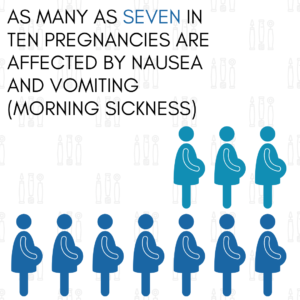
Impact of Morning Sickness on Dental Health
Morning sickness, characterised by nausea and vomiting, is a common symptom during pregnancy, particularly in the first trimester. The stomach acid from vomiting can erode tooth enamel, increasing the risk of decay and sensitivity.
Rinsing After Vomiting
To protect your teeth from the effects of stomach acid, rinse your mouth with water or an alcohol-free mouthwash immediately after vomiting. This helps neutralise the acid and wash away any remnants. Avoid brushing your teeth immediately after vomiting, as the enamel is softened by the acid and brushing can cause further erosion. Wait at least 30 minutes before brushing to allow the enamel to re-harden.
Using Baking Soda
Rinsing with a baking soda solution (1 teaspoon of baking soda in a glass of water) can help neutralise stomach acid and protect your teeth. Baking soda is alkaline and can quickly neutralise the acidic environment in your mouth after vomiting.
Maintaining Oral Hygiene
Despite the challenges of morning sickness, it’s important to maintain your oral hygiene routine. If brushing your teeth triggers nausea, try using a bland-tasting toothpaste or switching to a different flavour. You can also try brushing at different times of the day when nausea is less severe.
Diet Modifications
Eating small, frequent meals throughout the day can help manage morning sickness and reduce the risk of acid reflux. Avoid foods and drinks that trigger nausea, and opt for bland, easy-to-digest foods. Ginger and peppermint can also help soothe an upset stomach.
Conclusion
Maintaining dental health during pregnancy is essential for the well-being of both mother and baby. By following these tips—practising rigorous oral hygiene, scheduling regular dental check-ups, managing pregnancy gingivitis, eating a balanced diet rich in essential nutrients, and being mindful of the effects of morning sickness—you can ensure your oral health remains in excellent condition. Dental care during pregnancy not only protects your teeth and gums but also contributes to a healthy pregnancy and reduces the risk of complications.
Pregnancy is a time of joy and anticipation, but it also requires extra attention to various aspects of health, including dental care. The hormonal changes and physical demands of pregnancy can make you more susceptible to dental issues, but with proper care and attention, these can be effectively managed. Remember to consult with your dentist regularly to receive personalised care and advice tailored to your needs during this special time.
For personalised advice and care, contact your dental professional today or contact us HERE. Your dental health is crucial, especially during pregnancy—take the necessary steps to protect it.