
Have you ever wondered why dentists say biannual dental checkups are important? They’re not just routine appointments—there is reasoning behind 6-month checkups, and they are crucial for maintaining a healthy and radiant smile. We understand that these appointments can be easily dismissed and may not fall at the top of your priority list but what exactly makes these appointments so essential? Let’s delve into the rationale behind the recommendation for regular dental visits and uncover the benefits they offer for your oral health and overall well-being.
Emphasising the Importance of Regular Dental Checkups
Preventive Care
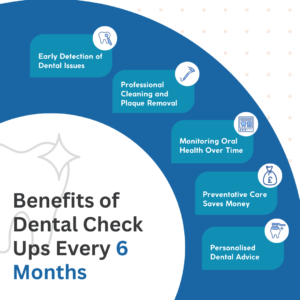
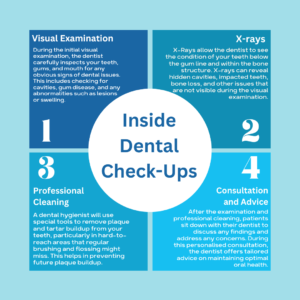
Regular dental checkups serve as a proactive defence against oral health issues. Identifying problems such as cavities, gum disease, and oral cancer in their early stages, helps dentists intervene early. These dental problems often begin as small areas of decay, inflammation, or subtle signs. During a dental checkup, dentists examine each tooth, using tools and techniques to detect even the slightest signs. Identifying them in their early stages can be intervened with minimally invasive treatments, preventing the need for more extensive and costly procedures in the future.
Professional Cleaning
Despite our best efforts with brushing and flossing, maintaining optimal oral hygiene can be challenging, especially when it comes to reaching certain areas of the mouth that are prone to plaque and tartar buildup. Plaque, a sticky film of bacteria that forms on the teeth, can accumulate in hard-to-reach places, such as the grooves and crevices between teeth and along the gum-line. If left for too long, plaque can harden into tartar, also known as dental calculus. When it reaches this stage, it cannot be removed by regular brushing and flossing alone.
Health Monitoring
Oral health will have various changes over time due to numerous factors such as age, lifestyle, diet, and overall health. This means that what might be a minor issue today could potentially evolve into a more significant problem tomorrow if left unchecked. Regular dental checkups provide a systematic approach to monitoring these fluctuations, allowing dentists to stay ahead of any emerging issues and ensure optimal oral well-being. A slight change in gum colour or texture, a new sensitivity, or a small cavity that wasn’t there before can be early warning signs that something needs attention
The Advantages of Six-Month Intervals
Habit Reinforcement
Regular six-month checkups help reinforce good oral hygiene habits. When you know that a dental appointment is approaching, it can motivate you to maintain their brushing and flossing routines consistently. This accountability ensures that patients stay diligent with their daily oral care, reducing the likelihood of developing dental issues between visits.
Enhanced Patient Education
Regular six-month checkups provide an opportunity for enhanced patient education. During these visits, dentists can educate patients about various aspects of oral health, including proper brushing and flossing techniques, dietary habits that promote dental health, and the importance of regular dental care. By empowering patients with knowledge and understanding, dentists equip them with the tools to take control of their oral health and make informed decisions about their dental care. This proactive approach fosters a collaborative relationship between patients and dentists, leading to better oral health outcomes in the long run.
Cost-Effectiveness
While some may perceive dental checkups as an unnecessary expense, they are, in fact, a prudent investment in long-term oral health. By reducing the need for extensive treatments for advanced dental problems, preventive care ultimately saves patients both money and discomfort.
Addressing Common Thoughts
Healthy Teeth Don’t Need Checkups
Even if your teeth appear healthy on the surface, regular dental checkups are still crucial. Many dental issues can develop silently, without causing obvious symptoms or discomfort. Early-stage cavities may not be visible to the naked eye but can be detected through X-rays or clinical examinations. Similarly, gum disease often begins with subtle signs such as slight bleeding during brushing, which may go unnoticed without professional evaluation. Attending regular checkups, patients can catch these underlying issues before they progress into more significant problems, preserving their oral health and avoiding the need for more invasive treatments.
Checkups Are Painful
Contrary to outdated stereotypes, modern dental checkups are remarkably comfortable and virtually pain-free. Technological advancements, such as intraoral cameras and digital X-rays, have revolutionised the diagnostic process, allowing for more precise and efficient examinations with minimal discomfort. Additionally, dentists now use advanced anaesthetics and gentle techniques to ensure patient comfort during procedures. Whether it’s a routine cleaning or a more complex treatment, patients can rest assured that their dental experience will be as comfortable and painless as possible, dispelling any fears or apprehensions associated with dental visits.
Fear of Dental Visits
Many people experience dental anxiety or fear, which can prevent them from attending regular checkups. However, avoiding dental visits due to fear can have serious consequences for oral health. Dentists understand these concerns and strive to create a comfortable and supportive environment for anxious patients. Techniques such as gentle communication, distraction techniques, and sedation dentistry can help alleviate anxiety and make dental visits more manageable. By overcoming fear and attending regular checkups, patients can address any dental issues early and maintain optimal oral health in the long term.
Special Considerations for Different Groups
Children and Teenagers
Younger patients, including children and teenagers, require special attention to ensure proper dental development and long-term oral health. Regular dental checkups during childhood and adolescence are crucial for monitoring the growth and alignment of the teeth and jaws, detecting issues such as malocclusions or bite problems early on. Additionally, children are more susceptible to dental caries (cavities) due to their developing oral hygiene habits and dietary choices. Regular checkups provide an opportunity for preventive measures such as fluoride treatments and dental sealants to protect against cavities. Moreover, educating children and teenagers about the importance of oral hygiene and healthy habits early in life sets the foundation for a lifetime of good dental health.
Older Adults
As individuals age, their dental needs change, and maintaining oral health becomes increasingly important. Older adults are more prone to conditions such as gum disease, tooth decay, and tooth loss due to factors like medication use, reduced saliva production, and age-related health issues. Regular dental checkups are essential for addressing these age-related concerns, detecting problems such as periodontal disease or oral cancer early, and implementing appropriate interventions. Dentists may also recommend additional preventive measures such as fluoride treatments or mouth rinses to help older adults maintain their oral health and quality of life as they age.
People with Specific Health Conditions
Certain medical conditions, such as diabetes, heart disease, and autoimmune disorders, can have significant implications for oral health. Individuals with these conditions may be at higher risk of developing dental problems such as gum disease, dry mouth, or oral infections. Consequently, they may require more frequent dental checkups to monitor their oral well-being and prevent complications. Dentists can work closely with patients and their healthcare providers to develop tailored treatment plans that address both their dental and medical needs. Additionally, maintaining good oral hygiene and attending regular checkups is essential for managing these conditions effectively and minimising the risk of oral health complications. Prioritising dental care and working collaboratively with healthcare professionals, individuals with specific health conditions can maintain optimal oral health and overall well-being.
Conclusion
Regular dental checkups are not merely appointments—they are commitments to optimal oral health. Scheduling biannual visits, individuals can safeguard their smiles, detect issues early, and enjoy a lifetime of dental wellness. Take the first step towards a brighter smile by contacting Irby Dental Practice today to schedule your next appointment. Your smile deserves the very best care!