
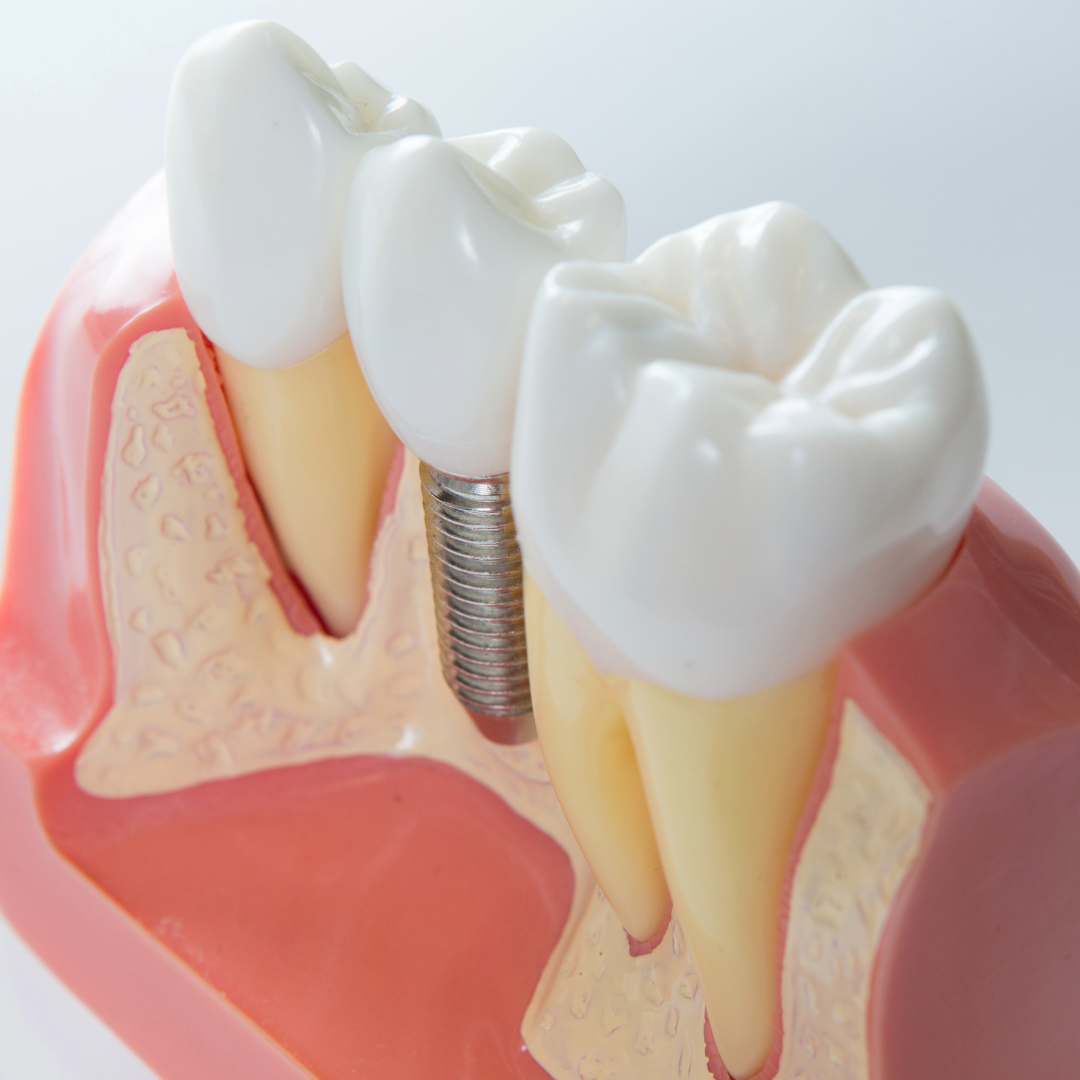
Understanding Dental Implants
If you’re considering dental implants, you’re likely looking for a long-term solution to missing teeth. They have become one of the most reliable and natural-looking ways to restore a complete smile. Before diving into the process, it’s important to understand what to expect, from the initial consultation to the final result.
In this blog, we’ll guide you through each stage so you can feel fully prepared. Whether you’re looking to replace one tooth or several, the journey will be smoother with the right knowledge.
Initial Consultation for Dental Implants
The journey begins with an initial consultation. During this appointment, your dentist will evaluate your oral health to determine whether you’re a suitable candidate for the procedure. This stage is crucial as the dentist will assess factors such as bone density and gum health, which are essential for successful implant placement.
What Happens During the Consultation?
- X-rays and Scans: Your dentist will likely take X-rays or 3D scans to examine the bone structure of your jaw. These images will help to ensure that there’s enough bone to support the dental implants.
- Discussion of Your Medical History: Your overall health plays a vital role in the success of dental implants. Conditions like diabetes or gum disease could affect healing, so your dentist will ask about your medical history.
- Customised Treatment Plan: After assessing your oral health, the dentist will create a customised treatment plan. This plan will include the timeline for each stage of the procedure and what you can expect along the way.

Preparing for the Procedure
After your consultation, you might need some preparatory procedures. Not everyone will require these, but in some cases, they are necessary for the long-term success of dental implants.
Bone Grafting
For those with insufficient bone density, a bone graft may be needed before placing the dental implants. This process helps to create a solid foundation for the implant. While this may sound intimidating, it’s a common procedure, and healing usually takes a few months.
Tooth Extractions
If the tooth or teeth being replaced are still in place, the dentist will need to extract them. Depending on the situation, this can sometimes be done on the same day as implant placement, but more often, the gums need time to heal.

The Day of the Dental Implant Surgery
Once any preparatory procedures are completed, you’ll move on to the main event: the placement of the dental implants. The process itself is straightforward, and thanks to modern dentistry, it is much less invasive than many people assume.
What to Expect During Surgery
- Local Anaesthesia: Your dentist will apply a local anaesthetic to ensure you don’t feel any pain during the procedure. Sedation options are also available if you feel anxious.
- Placing the Implant: The dentist will insert a titanium post into your jawbone. This post acts as the root of your new tooth, providing stability for years to come.
- Stitches: After the implant is in place, the dentist will close the gum tissue with stitches. These will usually dissolve on their own, but your dentist will give you aftercare instructions to follow.
The Healing Process: Osseointegration
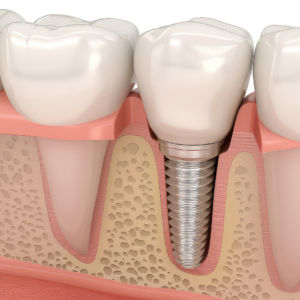
After the surgery, the healing process begins. This is a crucial phase, as the implant needs time to fuse with the jawbone in a process known as osseointegration. This stage can take several months, but it’s essential for the long-term success of your dental implants.
What is Osseointegration?
Osseointegration is the process where the bone grows around the implant, securing it in place. During this time, you may receive a temporary crown or bridge to maintain aesthetics. While this phase requires patience, it ensures the durability of your dental implants.

Placing the Abutment and Crown
Once osseointegration is complete, you’ll return to the dentist to have the abutment placed. The abutment is a small connector that attaches the implant to the crown.
Abutment Placement
The dentist will expose the top of the dental implants and attach the abutment. This procedure is quick, but it may require some local anaesthesia. Once the abutment is in place, your gums will need time to heal around it, typically taking two weeks.
Creating Your Custom Crown
While your gums heal, the dentist will work on creating your custom crown. This crown will be designed to match the size, shape, and colour of your natural teeth. When it’s ready, the dentist will attach it to the abutment, and your dental implants will be complete.

Post-Procedure Care and Maintenance
Once the crown is attached, your dental implants are fully functional, but the journey doesn’t end there. Caring for your implants is crucial to their longevity.
How to Care for Your Dental Implants
- Good Oral Hygiene: Just like natural teeth, dental implants require regular brushing and flossing. Plaque and bacteria can still affect the surrounding gum tissue.
- Regular Dental Check-ups: Schedule regular visits with your dentist to ensure that your dental implants remain in good condition. The dentist will check the implant and surrounding areas to ensure everything is healthy.
- Avoid Hard Foods: While dental implants are strong, it’s still a good idea to avoid overly hard foods like ice or popcorn kernels, which can damage the crown.
Potential Risks and Complications
While the success rate of dental implants is high, as with any medical procedure, there are potential risks. The most common complications are infection at the implant site, damage to surrounding teeth, and issues with osseointegration.
How to Minimise Risks
The best way to minimise risks is by choosing a qualified dental professional and following all post-operative care instructions. Maintaining a healthy lifestyle, including good oral hygiene, will further ensure success.
The Benefits of Dental Implants
The time and investment required is well worth it when considering the numerous benefits. Not only do dental implants look and feel like natural teeth, but they also help to maintain the structure of your jawbone and prevent further tooth loss. With proper care, they can last a lifetime.
Why Choose Dental Implants?
- Long-term Solution: Unlike dentures, which may need replacement or adjustments over time, dental implants are a long-term solution.
- Natural Appearance: The custom-made crowns attached to dental implants blend seamlessly with your natural teeth.
- Improved Confidence: With dental implants, you can eat, speak, and smile confidently without worrying about loose or uncomfortable dentures.
Conclusion: A Journey Worth Taking
Getting dental implants is a journey that requires time and patience, but the results are transformative. From the initial consultation to the final placement of your custom crown, each stage is carefully planned to ensure success.
With the proper care and attention, your dental implants will give you a confident smile that lasts a lifetime.
Visit Irby Dental Practice for Your Dental Implant Needs
At Irby Dental Practice, we provide expert care and personalised treatment plans. Our experienced team will guide you through every step of the process, from your initial consultation to the final result. Whether you’re replacing a single tooth or multiple, we’re committed to delivering high-quality care tailored to your needs.
Office Address
67 Thingwall Road, Wirral, Merseyside, CH61 3UB
Contact Us Today
Landline: 0151 648 1974
Mobile: 0789 465 1003
Call us now to schedule your consultation and take the first step towards restoring your smile.